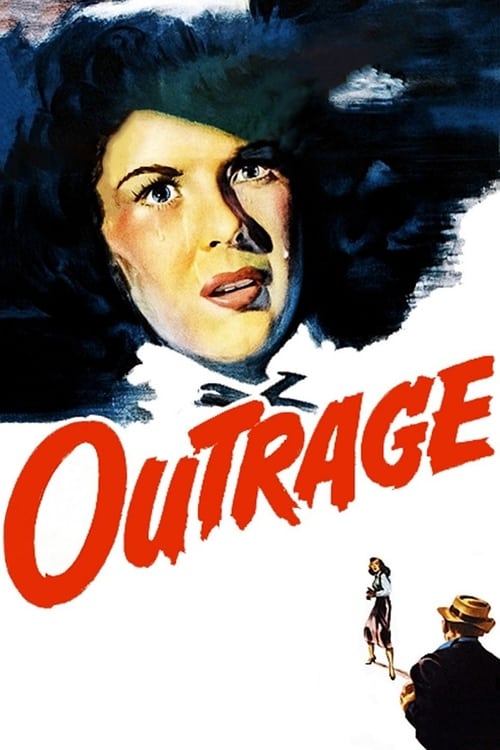
Outrage
1950
No user ratings available yet
Representation score: 4.5 out of 10

Representation Score
Limited
1965
NRDirector
Doris Wishman
Runtime
65 minutes
Average Rating
No ratings yetNew Showbiz Analysis
Doris Wishman’s work stands out by emphasizing women's ability to drive the story during a male-dominated era. By highlighting independent female characters rather than passive victims, the film challenges mid-century cinematic norms. However, the film is limited by the era's demographic constraints, resulting in a lack of racial and LGBTQ+ diversity. The narrative focuses on a predominantly white cast and conventional social structures. Ultimately, the film's strength lies in its disruption of patriarchal hierarchies, prioritizing character autonomy and individualistic rebellion over the moral didacticism typical of the time.
Category Breakdown
The film doesn't include any LGBTQ+ characters and doesn't explore non-traditional gender identities. Social interactions stay within the norms of the 1960s.
Female characters drive the plot through theft and aggression, breaking traditional hierarchies. The film passes the Bechdel test, focusing on the strategic interactions between women.
The cast is mostly white, reflecting the era's production limitations. There is no significant representation of minorities in the main storyline.
The story challenges Western institutions by showing characters motivated by individualism and materialism. It favors moral relativism over traditional religious or community morals.
There are no visible or hidden disabilities shown in the film. None of the characters have arcs defined by physical impairments or neurodivergence.
Present on Screen
Limited or Absent
Official Synopsis
On the run after dispatching her rapist, homemaker Ellen flees to the Big City, where further misfortunes befall her. When she finally finds stability, she discovers that her landlady's son is a detective, threatening her newfound identity and peace of mind.
1950

1970

1965
1964

1969
1977

1973

1964
No reviews yet. Be the first to share your thoughts on this movie!
Use the rating form above to leave a star rating and optional review.