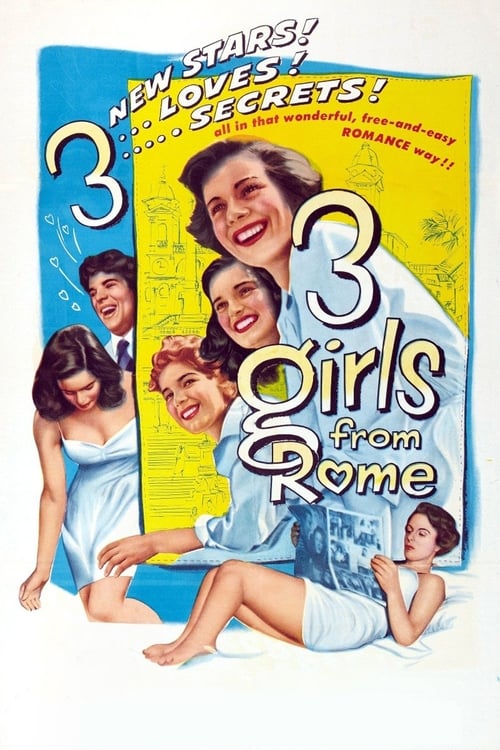
Three Girls from Rome
1952
No user ratings available yet
Representation score: 5.9 out of 10
Representation Score
Fair
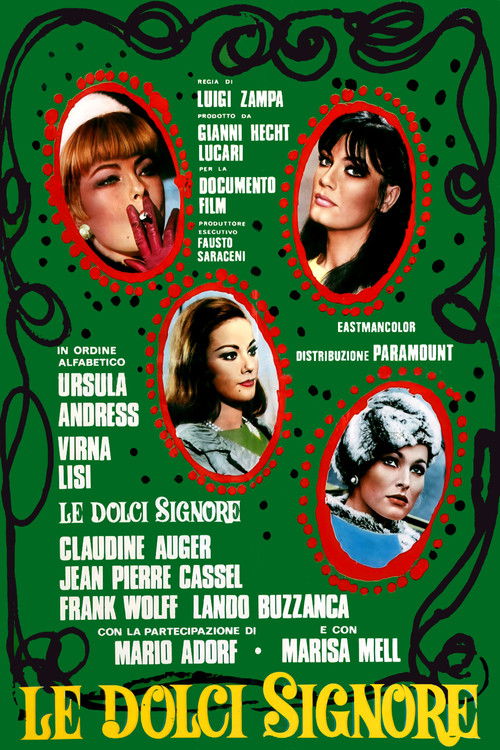
1967
RDirector
Luigi Zampa
Runtime
88 minutes
Average Rating
No ratings yetNew Showbiz Analysis
Luigi Zampa’s comedy succeeds in challenging gendered expectations by centering on female desire and autonomy. By making women the primary drivers of the plot, the film defies the era's standard hierarchies of sexual passivity. However, the film remains limited by its narrow socio-cultural scope. The narrative is deeply rooted in a homogeneous European social strata, offering little in the way of racial or LGBTQ+ diversity. Ultimately, while the film offers a progressive view of women's ability to drive the story and secular morality, it lacks the multi-layered breadth required for a higher diversity score.
Category Breakdown
The film focuses on female sexual ability to act within high-society Rome. There is no explicit evidence of queer identities or LGBTQ+ narratives present.
Four women drive the narrative as they reclaim their sexual autonomy. This disrupts traditional gender clichés by positioning women as active seekers rather than passive objects.
The setting reflects a homogeneous European demographic typical of 1960s Roman high society. No significant racial blending or non-European identities are featured.
The story critiques fashionable Roman society through a secular lens. It prioritizes individual liberation over the rigid religious morality of mid-century Italy.
There is no discernible information regarding the inclusion or portrayal of characters with physical or neurodivergent disabilities.
Present on Screen
Limited or Absent
Official Synopsis
In this delightful romantic comedy, four beautiful women attempt to deal with their sexual frustrations in fashionable Rome society.
1952
1961
1962
1963

1966
1971
1979

1985
No reviews yet. Be the first to share your thoughts on this movie!
Use the rating form above to leave a star rating and optional review.