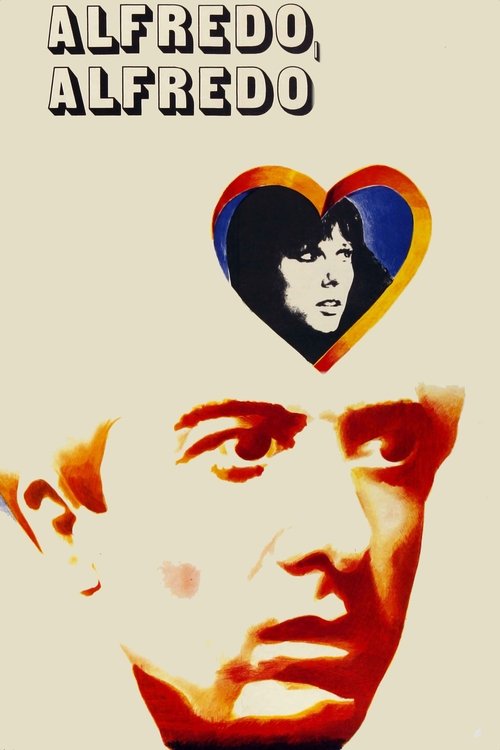
Alfredo, Alfredo
1972
No user ratings available yet
Representation score: 2.8 out of 10
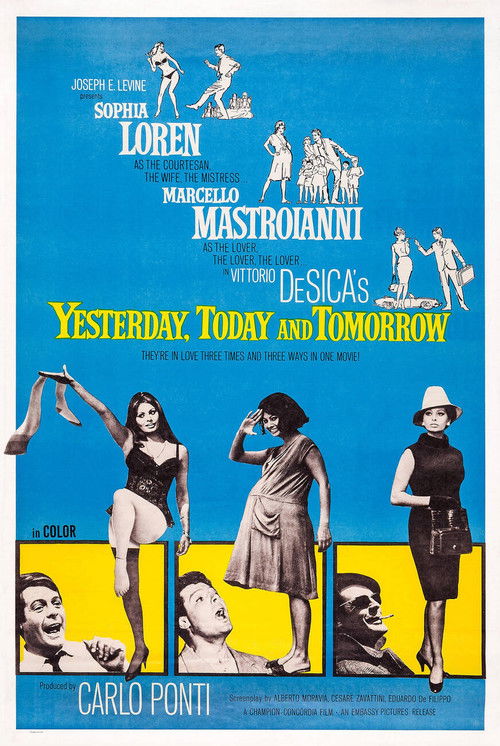
Representation Score
Fair
1963
Not RatedDirector
Vittorio De Sica
Runtime
119 minutes
Average Rating
No ratings yetNew Showbiz Analysis
Vittorio De Sica’s work here is a sophisticated exploration of gendered power dynamics. By centering female desire and intellect, the film challenges traditional hierarchies and presents women as active drivers of their own destinies. However, the film remains limited by the era's social boundaries. It lacks markers of multi-layered diversity regarding race and LGBTQ+ identity, maintaining a traditional framework for sexual dynamics and a homogeneous cast. Ultimately, the film's strength lies in its embrace of moral relativism. It challenges religious and social institutions by framing personal ability to act as essential to the human experience.
Category Breakdown
The film focuses solely on heterosexual relationships and does not include characters with diverse gender identities or narratives that challenge heterosexuality through queer perspectives.
Female characters play significant roles in driving the plot, portrayed as strategic and intelligent actors rather than passive subjects. They use their sexuality to navigate and influence social and economic situations.
The cast is predominantly homogeneous, reflecting the Italian context of the early 1960s. While it does not showcase multi-layered racial diversity, it uses geographical and class differences to depict a varied social landscape.
The film critiques the Catholic Church and bourgeois respectability as barriers to personal fulfillment. It explores the intersection of romance and industrial labor, highlighting the complexity of social and moral issues.
There are no prominent depictions of visible or invisible disabilities that serve as central narrative elements.
Present on Screen
Limited or Absent
Official Synopsis
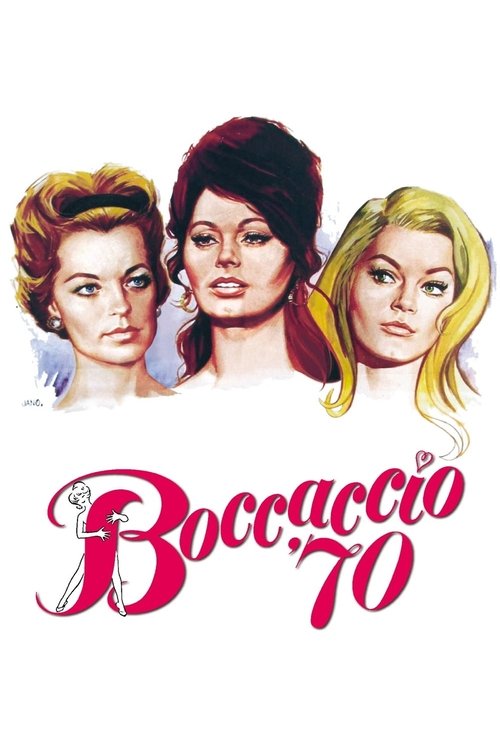
Three tales of very different women using their sexuality as a means to getting what they want.
1972
1952
1972
1962
1960
1965
1985
1955
No reviews yet. Be the first to share your thoughts on this movie!
Use the rating form above to leave a star rating and optional review.