The Dolls
1965
No user ratings available yet
Representation score: 3.5 out of 10
Representation Score
Good
1962
UnratedDirector
Vittorio De Sica, Federico Fellini, Luchino Visconti
Runtime
204 minutes
Average Rating
No ratings yetNew Showbiz Analysis
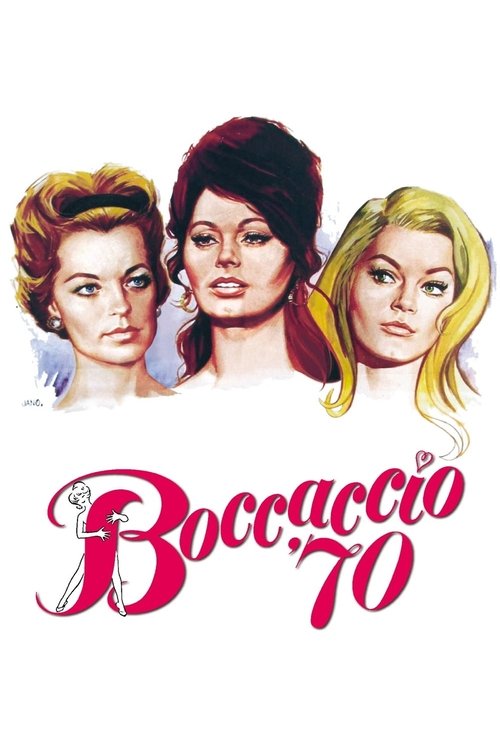
Boccaccio '70 is a sophisticated critique of mid-century social structures. It excels at deconstructing traditional morality and institutional hypocrisy, particularly through its nuanced treatment of gender and social power dynamics. However, the film reflects the homogeneity of its era, lacking racial diversity and explicit LGBTQ+ representation. The narrative remains centered on the socio-cultural landscape of 1960s Italy. Ultimately, the film's strength lies in its intellectual subversion of patriarchal and religious norms, offering a complex view of human ability to act against systemic repression.
Category Breakdown
The film highlights heterosexual relationships and the tension of sexual repression. It critiques strict sexual norms through the fluidity of desire but does not feature explicit LGBTQ+ characters or storylines.
Female characters have significant psychological complexity and play a key role in driving the story. The narrative challenges traditional gender hierarchies by showing male authority figures as hypocritical or inadequate compared to the resilient women.
The film reflects the homogeneous demographic of 1960s Italy. It lacks diverse racial representation, focusing instead on class-based tensions between the Italian bourgeoisie and working classes.
The anthology critiques traditional Western institutions and religious decency. It prioritizes a secular, subjective morality that challenges the dominant Christian ethical frameworks of the time.
There is little evidence of neurodivergence or physical disability as a central driver. Psychological distress is framed as a response to societal pressure rather than an exploration of disability.
Present on Screen
Limited or Absent
Official Synopsis
An anthology of four comic moral tales about the hypocrisies surrounding sex in 1960s Italy: frothy young love and office politics in the big city; milk advertisements that begin to haunt an aging prude; a trophy wife enduring her husband's very public affairs; a lucky ticket-holder at a small town fair.
1965
1963
1974
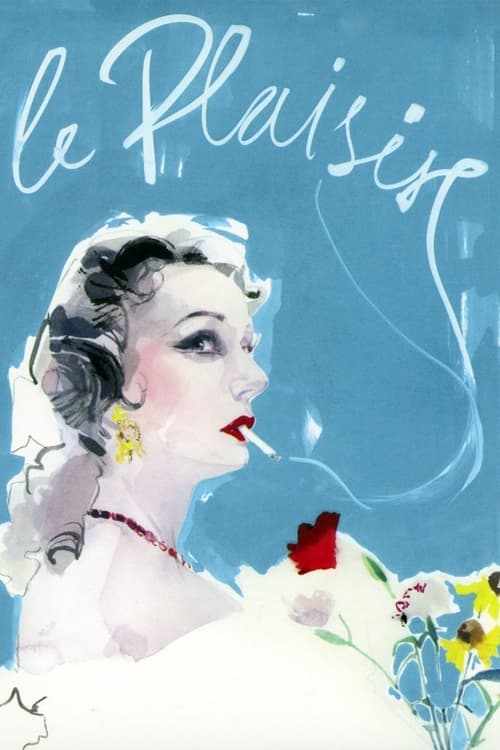
1952
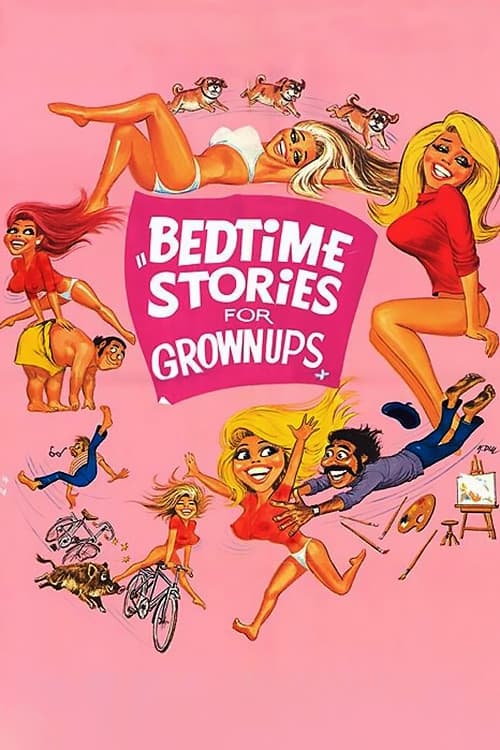
1974
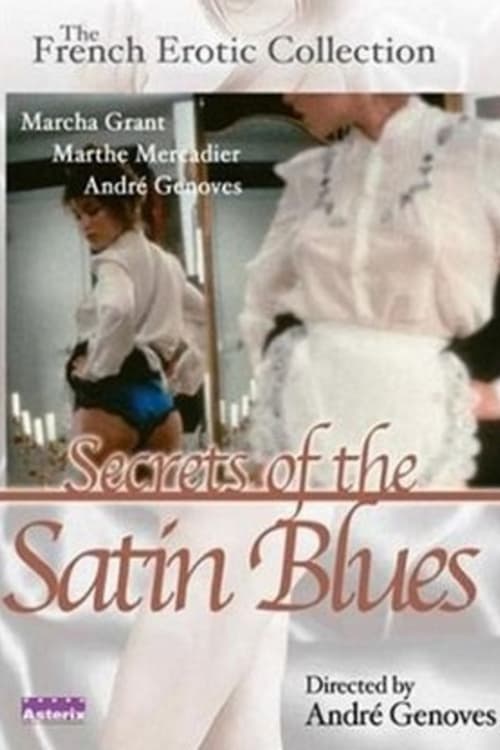
1981
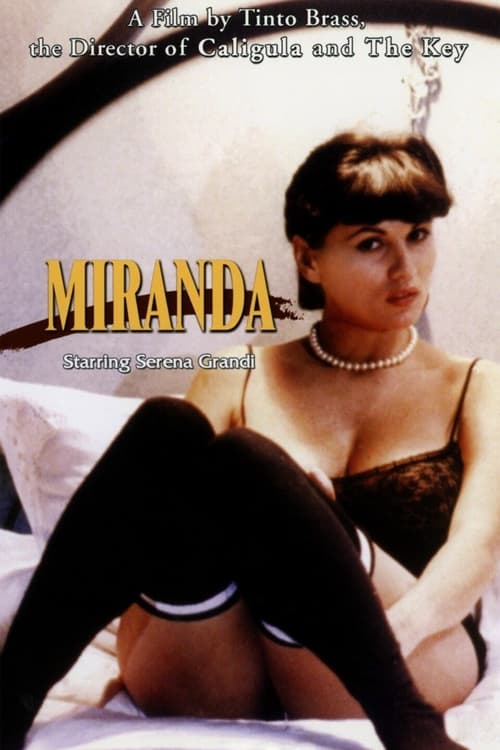
1985

1973
No reviews yet. Be the first to share your thoughts on this movie!
Use the rating form above to leave a star rating and optional review.