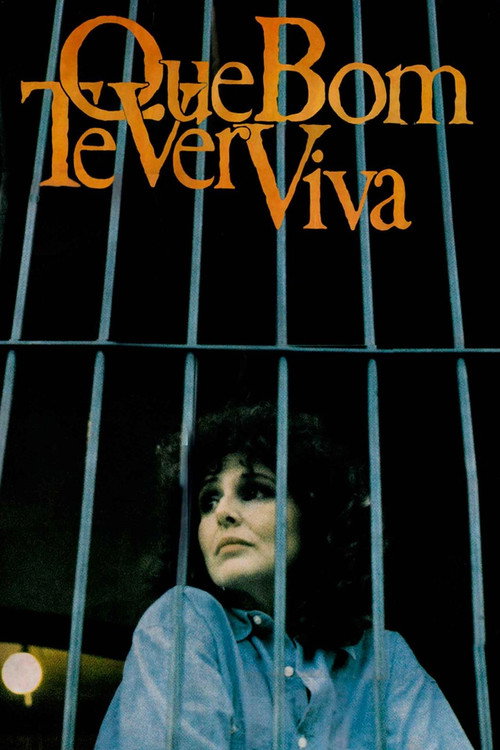
How Good to See You Alive
1989
No user ratings available yet
Representation score: 9.2 out of 10
Representation Score
Excellent
2018
Director
Susanna Lira
Runtime
97 minutes
Average Rating
No ratings yetNew Showbiz Analysis
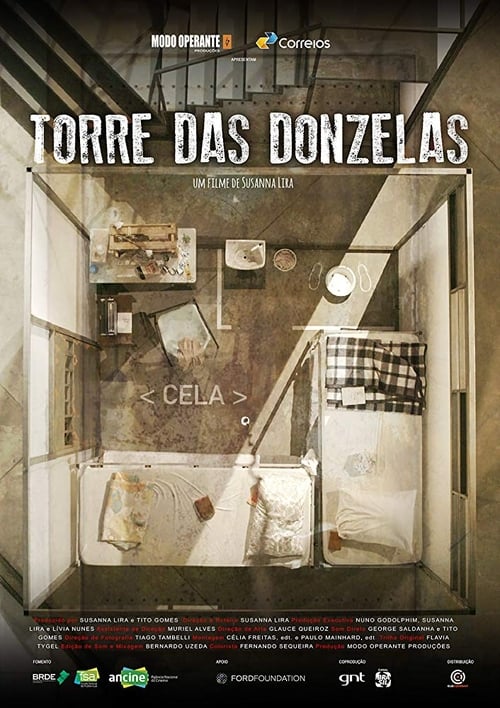
Torre das Donzelas is a restorative historical text that centers the lived experiences of women incarcerated during Brazil's military dictatorship. By facilitating a reunion between former political prisoners and Dilma Rousseff, the film reclaims ability to act for those silenced by institutional oppression. The documentary's strength lies in its ability to dismantle the perceived legitimacy of an oppressive regime through personal testimony. It shifts the focus from masculine military power to the collective resilience of women, challenging conventional understandings of state authority. While the film excels in gendered and cultural representation, it lacks specific details regarding racial demographics or LGBTQ+ identities. This makes the work a powerful study of political and gendered resistance, even if other identity markers remain unaddressed.
Category Breakdown
The film focuses on political imprisonment and state violence but does not mention LGBTQ+ identities or narratives.
The narrative disrupts traditional hierarchies by centering women's political ability to act and intellectual resistance. Women are portrayed as active agents of historical memory rather than passive victims.
The documentary engages with the intersection of class and race within the Brazilian carceral system. However, specific racial demographics of the women are not detailed.
The film functions as an anti-authoritarian text that validates lived truths against state-sanctioned narratives. It prioritizes breaking the silence over official institutional records.
There is no specific evidence regarding the portrayal of physical or neurodivergent disabilities. The score reflects a neutral baseline for this category.
Present on Screen
Limited or Absent
Official Synopsis
Documents former Brazilian President Dilma Rousseff's visit to the the women's alley of Tiradentes Jail in the city of São Paulo, also known as "Torre das Donzelas" ("Damsels' Tower"). Alongside other women, Dilma was kept as prisoner in there during the 1970s, when Brazil was under a reign of terror during its military dictatorship years. They all meet again 45 years later to break the silence and the fear of speaking out the horrors they lived under a ruthless dictatorship.
1989

2011

2008
2019

2010

2001

1994

2018
No reviews yet. Be the first to share your thoughts on this movie!
Use the rating form above to leave a star rating and optional review.