Obscure Light
2017
No user ratings available yet
Representation score: 3.8 out of 10
Representation Score
Excellent
2010
Director
Susana de Sousa Dias
Runtime
93 minutes
Average Rating
No ratings yetNew Showbiz Analysis
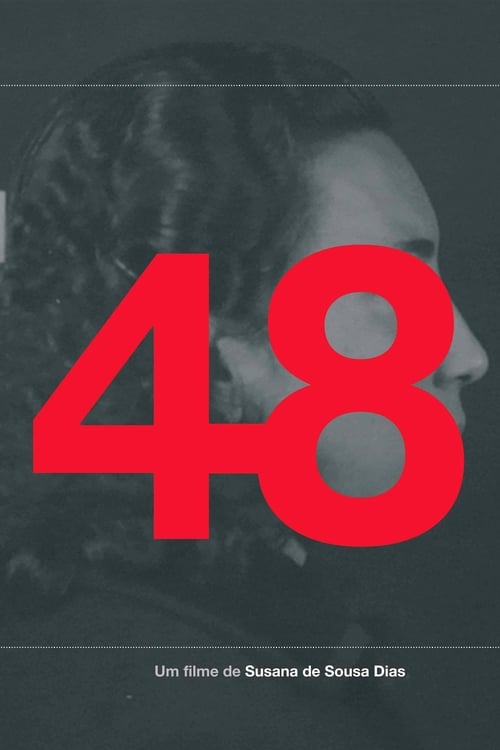
Susana de Sousa Dias uses archival photography to deconstruct the mechanisms of the Portuguese dictatorship. The film shifts the focus from state power to the individual human cost of oppression. It provides a progressive lens on how authoritarian regimes maintain control. However, the film's scope is limited by its historical context, resulting in a moderate score for LGBTQ+ and disability representation.
Category Breakdown
The film focuses on political prisoners under a dictatorship. While specific sexual orientations are not detailed, the score reflects a neutral baseline for historical documentary work.
The narrative disrupts traditional hierarchies by centering victims of a patriarchal, authoritarian regime. It turns passive subjects of arrest into active subjects of historical inquiry.
The documentary examines a predominantly Eurocentric era of Portuguese history. The score remains moderate, reflecting the historical demographic constraints of the period.
The film offers a strong critique of centralized power and nationalistic authoritarianism. It frames state institutions and police apparatuses as tools of subjugation rather than justice.
There is no explicit evidence regarding the portrayal of physical or neurodivergent disabilities. The film touches on trauma and state-inflicted suffering without using disability as a primary device.
Present on Screen
Limited or Absent
Official Synopsis
Based on photographs taken on the arrest of political prisoners during the Portuguese dictatorship (1926-1974), this documentary aims to convey the mechanisms by which a dictatorial regime sought to sustain its existence throughout 48 years.
2017

2017
2018

2011

2001

2002

2006
1989
No reviews yet. Be the first to share your thoughts on this movie!
Use the rating form above to leave a star rating and optional review.