The Silence of Others
2019
No user ratings available yet
Representation score: 8.8 out of 10
Representation Score
Fair
2018
Director
Kristina Konrad
Runtime
237 minutes
Average Rating
No ratings yetNew Showbiz Analysis
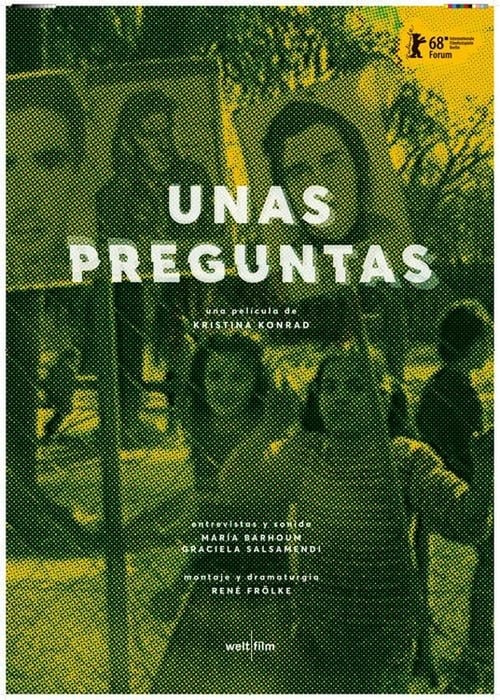
One or Two Questions serves as a vital historical time capsule, utilizing archival U-matic footage to prioritize grassroots testimony over official state narratives. It succeeds in centering the voices of those underrepresented by the 1986 amnesty law. The film’s strength lies in its structural commitment to historical accountability, highlighting the ability to act of women and victims against oppressive state mechanisms. However, the documentary lacks visible focus on specific demographics like the LGBTQ+ community or individuals with disabilities. Its scope remains primarily centered on the immediate sociopolitical struggle for human rights and legal transparency.
Category Breakdown
The documentary focuses on the sociopolitical aftermath of the Uruguayan dictatorship. There is no explicit evidence regarding the depiction of LGBTQ+ identities or non-straight narratives within this historical framework.
The narrative centers on the relatives of the disappeared, a group historically driven by women such as mothers and wives. This focus highlights their significant role in seeking state accountability.
The film captures a diverse cross-section of the Uruguayan populace through street interviews. It engages with the systemic experiences of various ethnic and social groups during a period of state violence.
The film challenges the legitimacy of state institutions by documenting the public push against the 1986 amnesty law. It prioritizes the truth of victims over official state-sanctioned narratives.
The provided context contains no information regarding the portrayal of physical, sensory, or neurodivergent disabilities.
Present on Screen
Limited or Absent
Official Synopsis
In 1986, the Uruguayan Parliament passed a law granting amnesty for all crimes and human rights violations committed by the military and police during the dictatorship (1973-85). This law of impunity prevented the clarification demanded by the relatives of those who had disappeared and been murdered by the former regime. A public initiative arose calling for a referendum in which the law be subject to the vote of the people. Unas preguntas uses U-matic footage, mostly of interviews recorded on the streets of Uruguay between 1987 and 1989, to present a time capsule of the period.
2019
2017
1987
1985
2008
2002

2001
2014
No reviews yet. Be the first to share your thoughts on this movie!
Use the rating form above to leave a star rating and optional review.