Torre das Donzelas
2018
No user ratings available yet
Representation score: 9.2 out of 10
Representation Score
Excellent
1989
Director
Lúcia Murat
Runtime
97 minutes
Average Rating
No ratings yetNew Showbiz Analysis
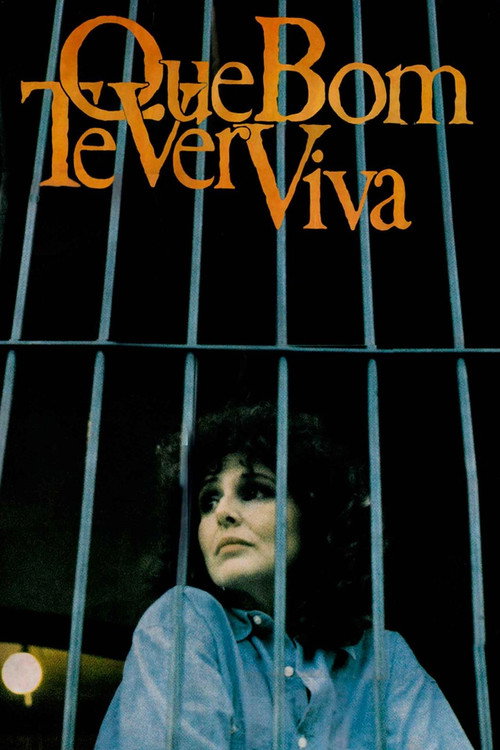
Lúcia Murat’s film combines documentary and fiction to challenge official state histories. By focusing on the experiences of female political prisoners, the film turns personal memories into a powerful critique of institutional oppression. The film excels at elevating the voices of women who navigate systemic political violence. This approach challenges traditional historical narratives that often overlook the significant roles women play during periods of national repression. While the film offers deep insights into the psychological trauma of survivors, it remains centered on political identity. The narrative structure prioritizes the struggle against the military dictatorship over explicit explorations of LGBTQ+ or specific physical disability identities.
Category Breakdown
The film focuses on political struggles related to gender rather than specific LGBTQ+ narratives. There are no clear depictions of individuals who don't identify with their assigned gender at birth or specific LGBTQ+ identities.
Women are portrayed as central political actors with significant influence rather than passive victims. This counters traditional views by highlighting the voices of female political activists.
The film addresses Brazilian national identity and the impact of colonial history. Although specific cast makeup isn't detailed, the historical context suggests a move away from a single perspective.
The narrative criticizes Western-style authoritarianism and state-sponsored violence. It emphasizes personal memories and subjective experiences over the official state history.
The film examines the hidden disabilities of PTSD and chronic trauma from systematic torture. However, it doesn’t show specific physical or developmental disabilities.
Present on Screen
Limited or Absent
Official Synopsis
Four years after a military coup overthrew the Brazilian government in 1964, all civil rights were suspended and torture became a systematic practice. Using a mix of fiction and documentary this extraordinary film is a searing record of personal memory, political repression and the will to survive. Interviews with eight women who were political prisoners during the military dictatorship are framed by the fantasies and imaginings of an anonymous character, portrayed by actress Irene Ravache.
2018

1985
1974
2018
2013
2008

2006

2013
No reviews yet. Be the first to share your thoughts on this movie!
Use the rating form above to leave a star rating and optional review.