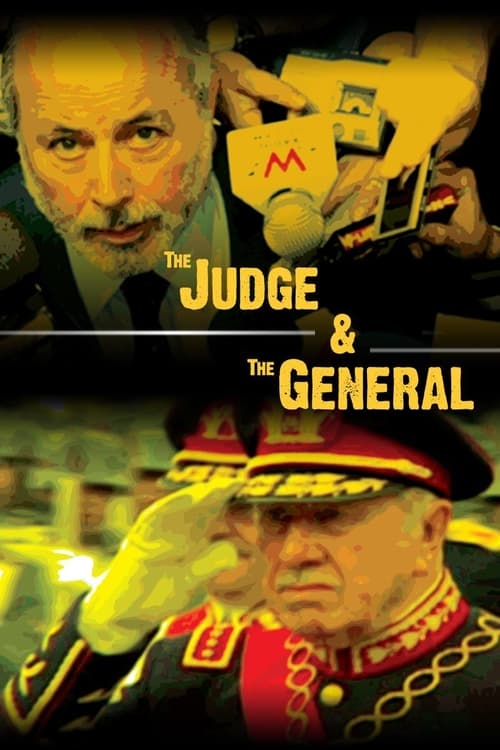
The Judge and the General
2008
No user ratings available yet
Representation score: 6.0 out of 10
Representation Score
Excellent
2001
Director
Marcela Said
Runtime
52 minutes
Average Rating
No ratings yetNew Showbiz Analysis
Marcela Said’s documentary is a sophisticated critique of power, particularly targeting the military junta and neoliberal structures. It dismantles traditional hierarchies by elevating the voices of those affected by systemic repression. The film excels in exploring the socioeconomic and cultural complexities of Chile, going beyond a straightforward historical recount to examine the lasting trauma of the dictatorship. It uses real-life subjects to challenge Western-centric views of South American politics. However, the film lacks explicit focus on specific identity-based groups. While it addresses the human cost of violence, it does not provide dedicated narratives for LGBTQ+ individuals or those with visible disabilities.
Category Breakdown
The documentary focuses on the political and social divisions of the Pinochet era. It does not prominently feature LGBTQ+ identities or specific LGBTQ+ narratives.
The film challenges traditional gender roles by highlighting women who navigated political struggles and domestic issues. It emphasizes how women resisted state violence, undermining the idea of a stable, male-dominated military state.
The film explores the socioeconomic and ethnic diversity within Chilean society. It delves into the impacts of foreign intervention on national sovereignty and post-colonial themes.
The narrative critiques neoliberal capitalism and the economic models of the dictatorship. It examines state-sanctioned historical narratives by studying the polarized memory of the regime.
The film documents physical and psychological trauma caused by state violence. However, it does not focus on disability or neurodivergence as a primary narrative driver.
Present on Screen
Limited or Absent
Official Synopsis
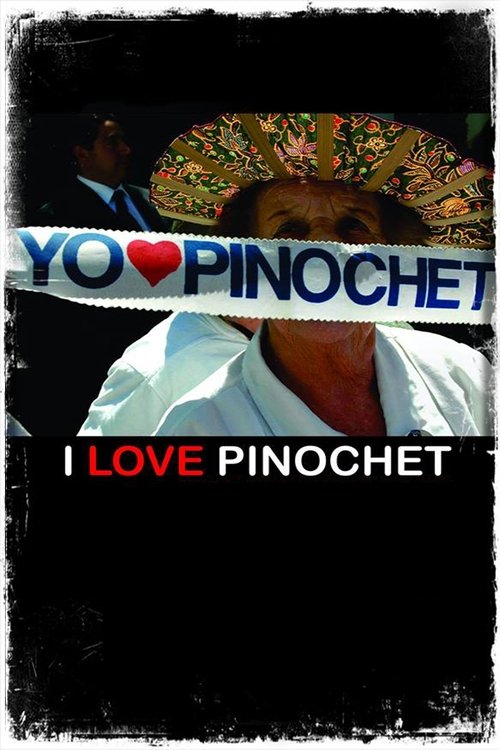
An investigation into why so many conservative Chileans continue to be supporters of the brutal Pinochet dictatorship of the 1970s and 1980s.
2008
2017
2011
2010
2007
2020
2004
2019
No reviews yet. Be the first to share your thoughts on this movie!
Use the rating form above to leave a star rating and optional review.