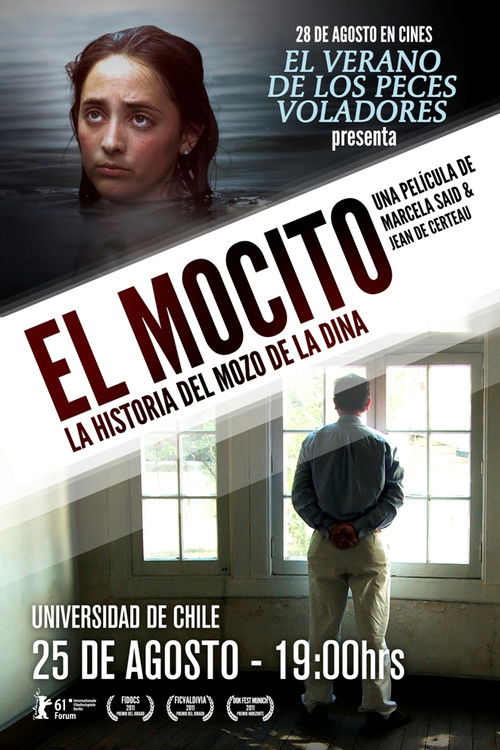
The Young Butler
2011
No user ratings available yet
Representation score: 4.2 out of 10
Representation Score
Good
1994
Director
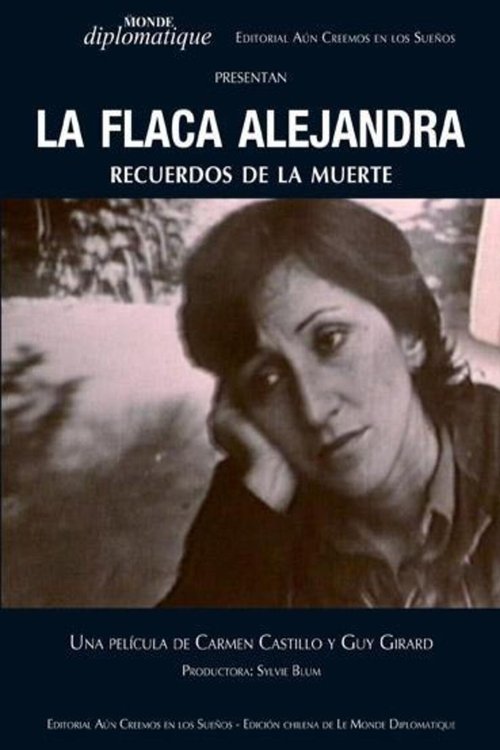
Carmen Castillo, Guy Girard
Runtime
57 minutes
Average Rating
No ratings yetNew Showbiz Analysis
The Skinny Alejandra is a specialized documentary that prioritizes political and systemic critique over demographic breadth. It succeeds by centering the intersection of personal trauma and institutional accountability, effectively challenging conventional historical perspectives of the Chilean political landscape. While the film lacks representation in LGBTQ+ and formal disability categories, it achieves high marks for disrupting traditional power hierarchies. It interrogates state-sponsored corruption through a deeply personal lens. The work's strength lies in its ability to elevate female perspectives within a sphere typically framed through patriarchal lenses, providing a nuanced look at post-dictatorship reconciliation.
Category Breakdown
The film does not include any LGBTQ+ characters or narratives addressing non-assuming gender matches what was assigned at birth identities. It focuses on political trauma and judicial testimony.
The narrative centers on women's ability to drive the story within a high-stakes political framework. By focusing on a dialogue between two women, it disrupts traditional masculine-dominated historical narratives of warfare.
The film provides significant representation of Chilean identity and lived experiences in the Global South. It prioritizes voices impacted by localized systemic structures.
The documentary critiques traditional authoritarianism and state institutions. It explores complex moral relativism through the lens of a collaborator turning witness against the DINA.
The film addresses the invisible scars of state-inflicted torture and psychological trauma. It lacks specific ability to act-driven disability representation despite exploring the effects of systemic violence.
Present on Screen
Limited or Absent
Official Synopsis
A conversation between the director of this film, Carmen Castillo and Marcia Merino, AKA La Flaca Alejandra who was one of the collaborators of Pinochet's secret police (the DINA) after being tortured by them. It was Merino who betrayed Castillo, who lost her new born child after being tortured. Almost twenty years later, Carmen Castillo returns to Chile after her exile to film this documentary, during a time in which Marcia Merino, on the court of justice, decided to give the names of her old bosses who worked with her on the DINA.
2011
2010
2008
2012
2007
2017
2001
2008
No reviews yet. Be the first to share your thoughts on this movie!
Use the rating form above to leave a star rating and optional review.