
The Garden of Allah
1936
No user ratings available yet
Representation score: 2.7 out of 10
Representation Score
Minimal
1940
NRDirector
Frank Borzage
Runtime
113 minutes
Average Rating
No ratings yetNew Showbiz Analysis
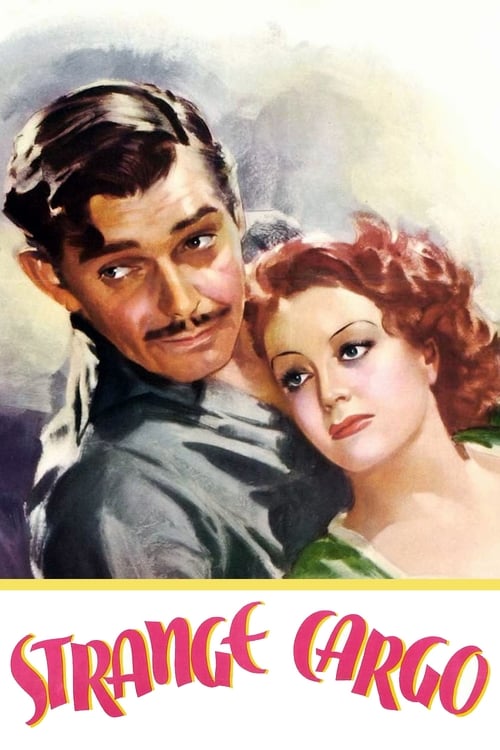
Strange Cargo is a traditional romantic adventure that upholds the social and cultural hierarchies of its era. It relies heavily on established genre conventions rather than attempting to challenge them. The film lacks complexity in identity, presenting a narrow view through its casting and character dynamics. It functions as a product of the 1940s studio system, prioritizing emotional resonance over social critique. Ultimately, the narrative structure is built on conventional romantic and social structures, offering little in the way of progressive representation or diverse perspectives.
Category Breakdown
The film follows strict assumptions about everyone being straight and cisgender. It focuses on a traditional male-female romantic relationship without including any non-cisgender identities or same-sex intimacy.
Gender roles in the film follow mid-century conventions. Joan Blondell plays a central emotional role, but her influence remains tied to traditional supportive and romantic functions within the melodrama.
The cast is predominantly white, reflecting the demographic homogeneity typical of 1940s Western-set dramas. The narrative lacks significant characters of color or those representing multiple aspects of diversity.
The Christ-like figure serves as a moral archetype rather than a tool for social critique. The film operates within the established 1940s social and moral codes.
There are no prominent depictions of visible or invisible disabilities. No characters with disabilities are shown to drive the narrative or possess significant influence.
Present on Screen
Limited or Absent
Official Synopsis
Convicts escaping from Devil's Island come under the influence of a strange Christ-like figure.
1936

1931

1939

1932

1926

1938

1938
1927
No reviews yet. Be the first to share your thoughts on this movie!
Use the rating form above to leave a star rating and optional review.