
Quo Vadis
1951
No user ratings available yet
Diversity score: 4.4 out of 10
1936
NRDirector
Mervyn LeRoy
Runtime
141 minutes
Average Rating
No ratings yetSynopsis
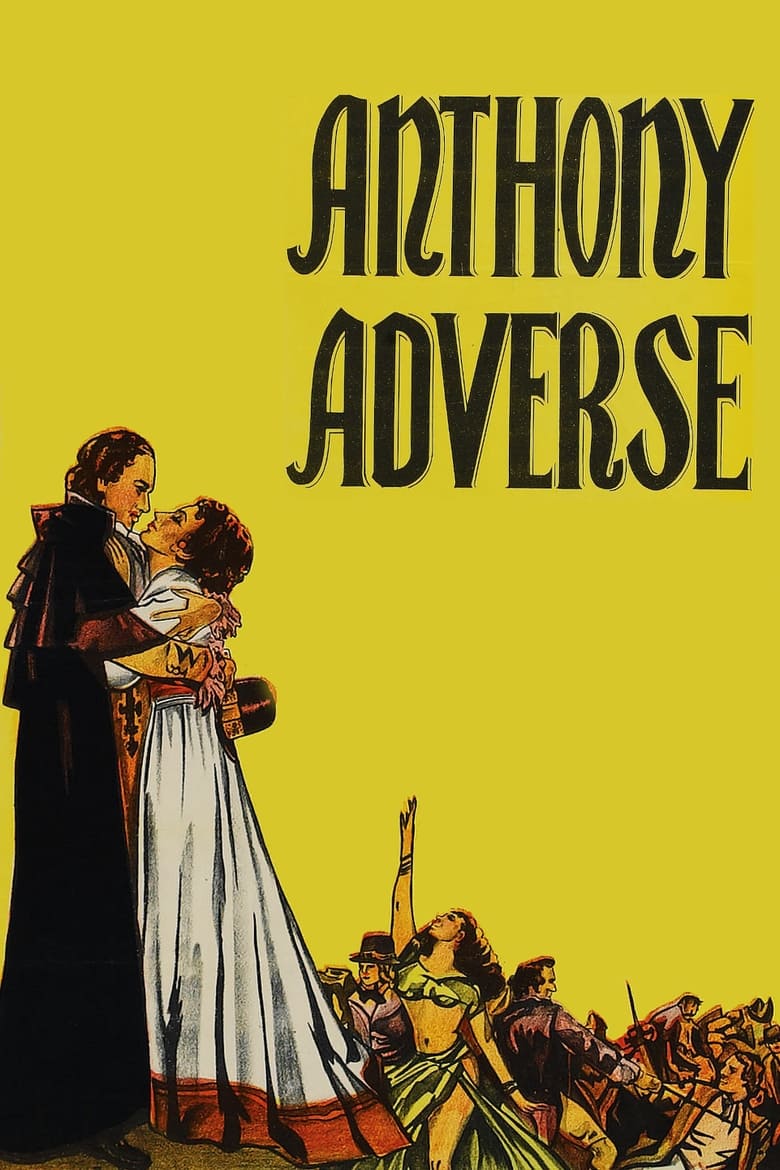
Based on the novel by Hervey Allen, this expansive drama follows the many adventures of the eponymous hero, Anthony Adverse. Abandoned at a convent by his heartless nobleman father, Don Luis, Anthony is later mentored by his kind grandfather, John Bonnyfeather, and falls for the beautiful Angela Giuseppe. When circumstances separate Anthony and Angela and he embarks on a long journey, he must find his way back to her, no matter what the cost.
Overall Score
Limited
Category Breakdown
LGBTQ+ Representation
The film adheres to traditional heteronormative structures. There is no presence of non-cisnormative identities or same-sex intimacy.
Gender Representation
Female characters, including Angela Giuseppe, serve primarily as emotional anchors for the male lead. Their agency is largely defined by their relationships to men.
Racial & Ethnic Diversity
The Spanish colonial setting provides a broader ethnic palette than many 1930s films. However, representation is limited by the era's colonial social structures.
Religious & Cultural Diversity
The story critiques social institutions by focusing on an illegitimate child. It challenges the sanctity of aristocracy and rigid religious moral codes.
Disability Representation
The narrative lacks characters with visible or invisible disabilities. The plot focuses on socioeconomic status rather than physical or neurodivergent experiences.
Strengths
Areas for Improvement
AI Analysis
Anthony Adverse is a transitional historical drama that uses a Spanish colonial backdrop to explore the friction between individual agency and rigid social hierarchies. While it offers more cultural texture than many contemporary productions, it remains tethered to the conservative narrative conventions of the 1930s. The film's primary strength is its critique of class rigidity and the stigma of illegitimacy. By centering on a protagonist fighting against the hypocrisy of his noble birthright, the story suggests a movement toward meritocracy over inherited status. However, the film fails to subvert gender norms or provide meaningful representation for LGBTQ+ or disabled characters. It functions as a traditional romantic epic where identity and agency are strictly governed by 18th-century social and gendered expectations.
No reviews yet. Be the first to share your thoughts on this movie!
Use the rating form above to leave a star rating and optional review.