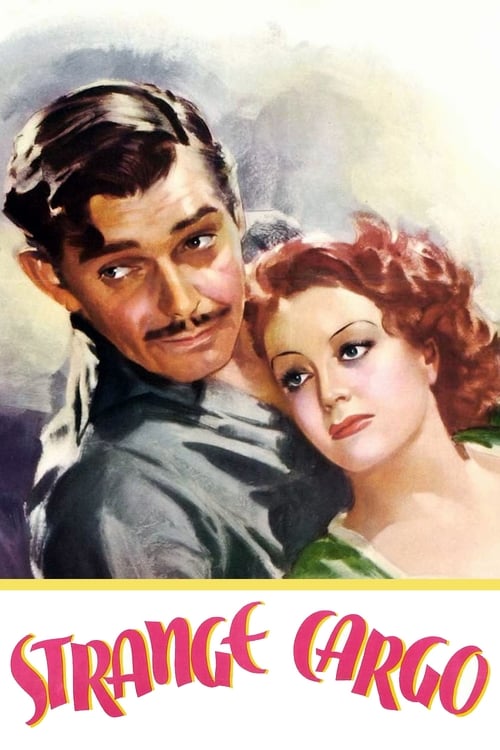
Strange Cargo
1940
No user ratings available yet
Representation score: 0.4 out of 10

Representation Score
Limited
1936
NRDirector
Richard Boleslawski
Runtime
79 minutes
Average Rating
No ratings yetNew Showbiz Analysis
The film functions primarily as a romantic melodrama shaped by its 1930s historical context. While it provides more ability to act to its female lead than many contemporary films, it remains tethered to traditional romantic archetypes. The production relies heavily on Orientalist clichés, using the North African landscape as a backdrop for Western spiritual journeys. This limits the depth and ability to act of the local population. Ultimately, the narrative explores internal psychological crises within existing social and religious hierarchies rather than challenging those structures.
Category Breakdown
The film follows a strictly heterosexual romantic structure. The central conflict focuses on the tension between earthly passion and spiritual devotion within a heterosexual pairing.
Marlene Dietrich’s protagonist possesses significant emotional ability to act, acting as a catalyst for the film's moral friction. However, her character arc remains heavily influenced by her relationships with the male leads.
The Algerian setting includes North African and Arab characters, but they often serve as an atmospheric backdrop. The narrative leans into Orientalist clichés, centering power dynamics on the Western protagonists.
The story is rooted in traditional religious frameworks, exploring the conflict between individual desire and monastic sanctity. It reinforces the importance of spiritual institutions rather than offering a systemic critique.
There are no prominent depictions of physical or neurodivergent disabilities that drive the narrative or serve as central character traits.
Present on Screen
Limited or Absent
Official Synopsis
The star-crossed desert romance of a cloistered woman and a renegade monk.
1940

1932

1922

1931
1939
1932

1921

1959
No reviews yet. Be the first to share your thoughts on this movie!
Use the rating form above to leave a star rating and optional review.