The Garden of Allah
1936
No user ratings available yet
Representation score: 2.7 out of 10
Representation Score
Limited
1939
ApprovedDirector
Clarence Brown
Runtime
104 minutes
Average Rating
No ratings yetNew Showbiz Analysis
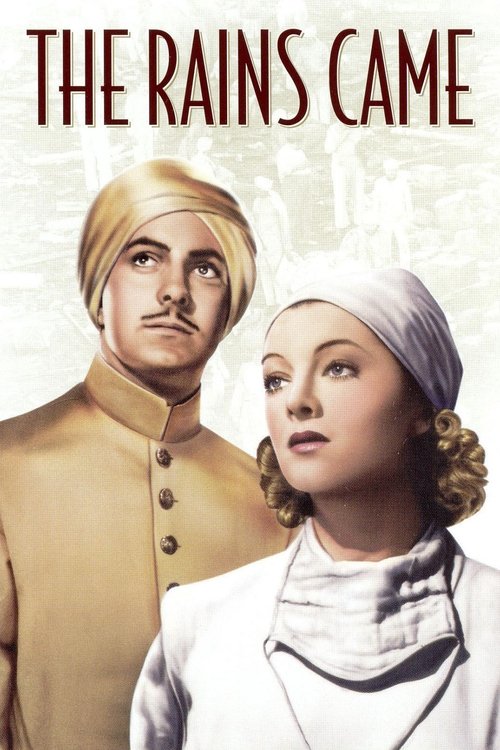
The Rains Came centers an Indian aristocrat as a professional leader, providing a level of racial representation that was rare for 1939 Hollywood. However, the film adheres closely to the social norms of its time, reinforcing traditional gender roles and operating within a strictly heterosexual framework. The narrative prioritizes epic drama and natural disasters over challenging systemic power structures.
Category Breakdown
The film focuses on heterosexual relationships and does not include any characters with non-binary gender identities or same-sex relationships.
Female characters such as Lady Edwina play significant roles in the romantic storyline, but the main narrative drivers follow traditional masculine leadership roles.
Rama Safti, the protagonist, is an Indian aristocrat with professional skills, offering uncommon representation for the time period. However, the story is viewed through the lens of colonial history.
The film presents a traditional Western drama focused on survival and duty, portraying the community through the lens of external intervention and colonial influence.
Characters with long-term physical disabilities are not central to the story. Their suffering mainly serves as a plot device to emphasize the drama of natural disasters.
Present on Screen
Limited or Absent
Official Synopsis
Indian aristocrat Rama Safti returns from medical training in the U.S. to give his life to the poor folk of Ranchipur. Lady Edwina and her drunken artist ex-lover Tom Ransome get in the way, but everyone shapes up when faced by earthquake, flooding, and plague.
1936
1959
1940

1954
1951
1935
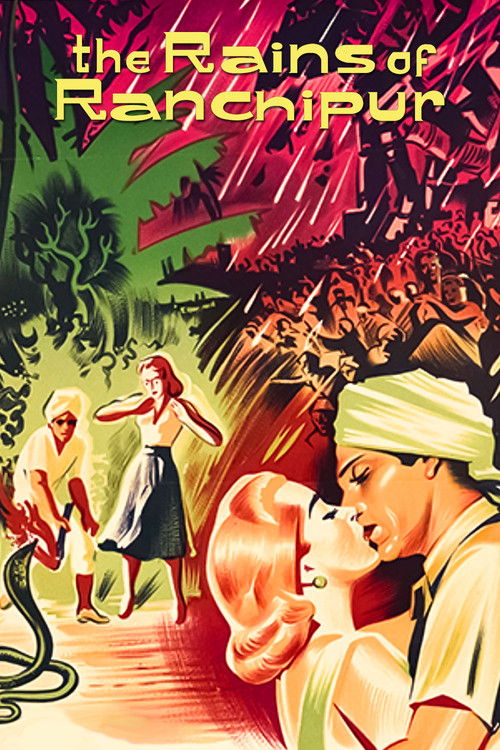
1955
1935
No reviews yet. Be the first to share your thoughts on this movie!
Use the rating form above to leave a star rating and optional review.