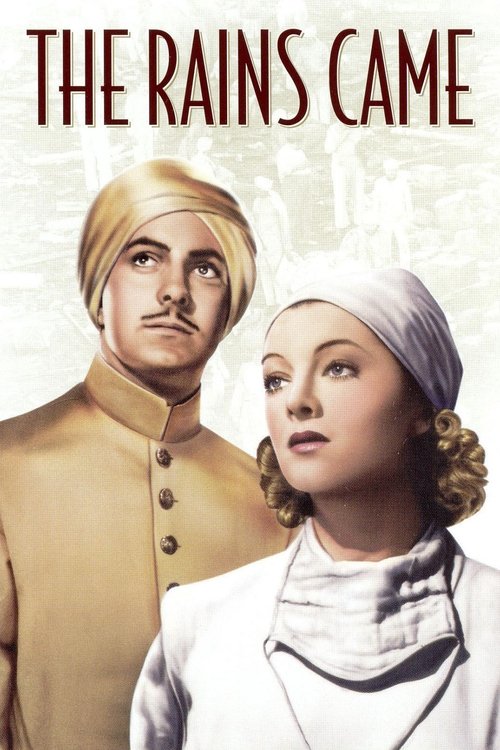
The Rains Came
1939
No user ratings available yet
Representation score: 2.5 out of 10
Representation Score
Limited
1935
NRDirector
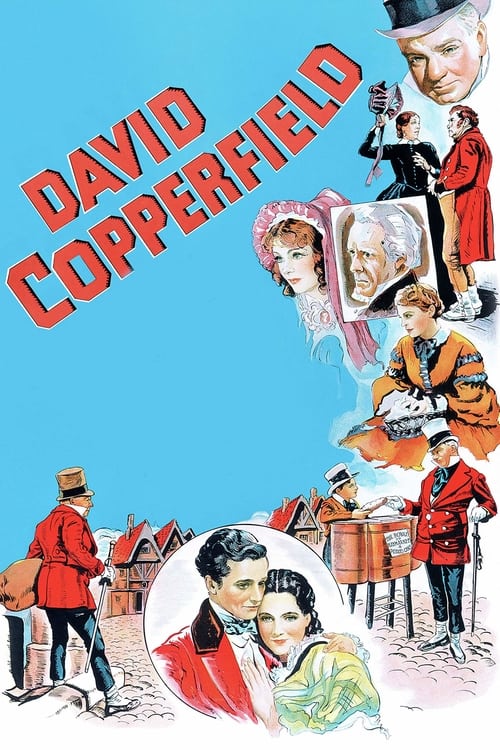
George Cukor
Runtime
130 minutes
Average Rating
No ratings yetNew Showbiz Analysis
George Cukor’s adaptation is a period-accurate character study that emphasizes traditional moral development. It provides psychological depth to characters facing personal oppression within rigid social structures. However, the film remains confined by the era's casting norms and social hierarchies. It lacks demographic diversity and complexity, sticking to conventional Western frameworks. Ultimately, the film reflects the social constraints of its time, focusing on the protagonist's autonomy rather than challenging established norms.
Category Breakdown
The film strictly follows the social norms of Victorian England, where everyone is assumed to be straight and cisgender. Romantic storylines revolve around traditional courtship and do not include any LGBTQ+ identities or relationships.
Female characters are often portrayed as archetypes, such as the delicate 'child-wife' or the 'moral anchor.' They play important roles in the emotional storyline but mainly support the male protagonist's journey.
The cast is ethnically uniform, reflecting the production standards of 1935 and the Victorian setting. There is no significant representation of non-Anglo-Saxon identities.
The narrative highlights individual moral failures and the harshness of certain Victorian institutions. However, it focuses on personal virtue rather than critiquing broader societal structures.
The film delves into emotional trauma and the psychological impact of abuse. It does not feature characters with visible or invisible disabilities who have a significant role in driving the story.
Present on Screen
Limited or Absent
Official Synopsis
A young man journeys from a difficult childhood to maturity, exploring social injustice, personal development, and the complexities of human relationships.
1939
1944
1940
1938
1983
1937
1936
1948
No reviews yet. Be the first to share your thoughts on this movie!
Use the rating form above to leave a star rating and optional review.