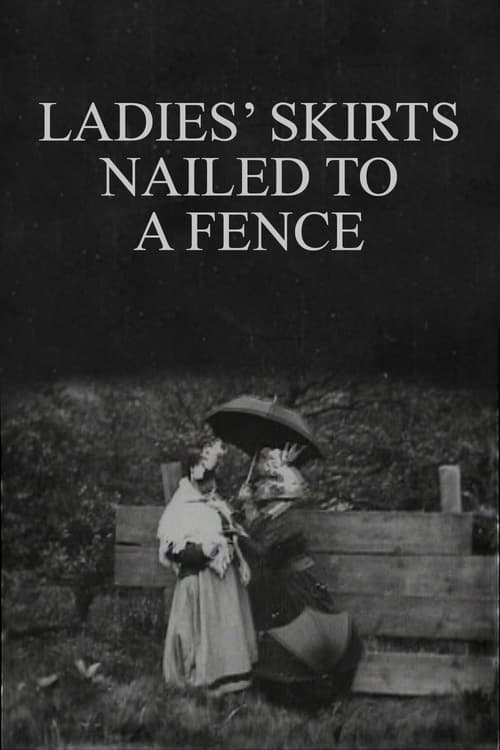
Ladies' Skirts Nailed to a Fence
1899
No user ratings available yet
Representation score: 0.9 out of 10
Representation Score
Minimal
1900
Director
George Albert Smith
Runtime
1 minutes
Average Rating
No ratings yetNew Showbiz Analysis
As Seen Through a Telescope primarily showcases advancements in visual techniques rather than exploring complex identities. Its focus on a single observed subject offers insights into early filmmaking but falls short of addressing modern multi-layered concerns. By emphasizing the male observer's gaze towards a woman, the film upholds traditional power dynamics typical of the era, lacking disruption of these norms. Overall, the film stands as a historical document of early visual experimentation. However, it fails to provide the narrative depth needed to engage with contemporary social values, reflecting the homogeneity of the time.
Category Breakdown
The film does not include any characters with LGBTQ+ identities or non-traditional gender roles. The story focuses solely on a traditional relationship between two men.
The female character is mainly portrayed as an object of the male gaze through the use of a telescope. She plays a minor role and does not have much control over the events in the story.
The cast is entirely white and homogeneous, typical of the time period. There are no characters from diverse racial or ethnic backgrounds.
The film does not address any systemic issues or religious themes. It portrays everyday life during the period without challenging established institutions.
There are no characters with visible or invisible disabilities. The film does not use disability as part of the story.
Present on Screen
Limited or Absent
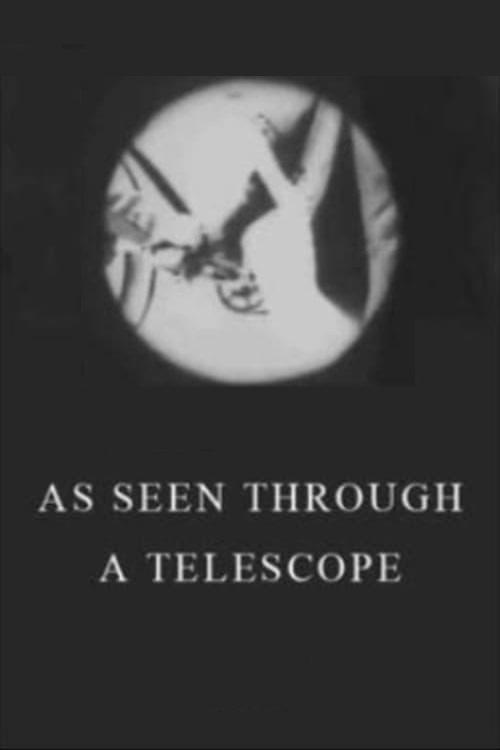
Official Synopsis
An elderly gentleman in a silk hat sits on a stool in front of a store on the main street of town. He has a telescope that focuses on the ankle of a young woman who is a short distance away. Her husband catches the gent looking. What will the two men do now?
1899

1902
1905
1903
1895

1909
1914
1900
No reviews yet. Be the first to share your thoughts on this movie!
Use the rating form above to leave a star rating and optional review.