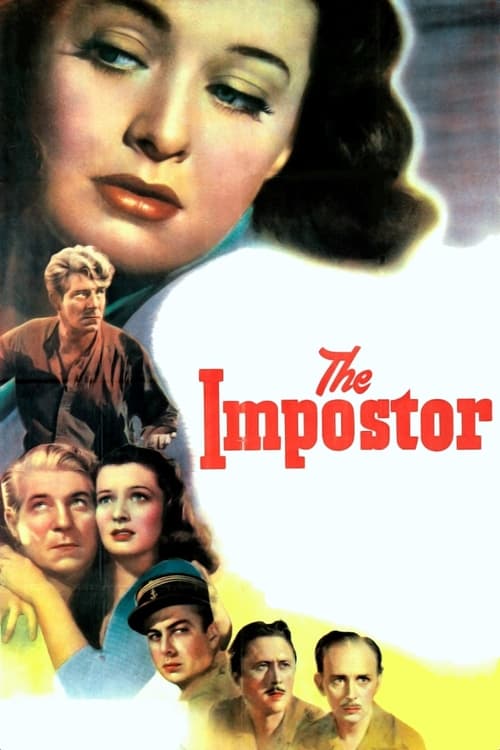
The Impostor
1944
No user ratings available yet
Representation score: 1.9 out of 10
Representation Score
Fair
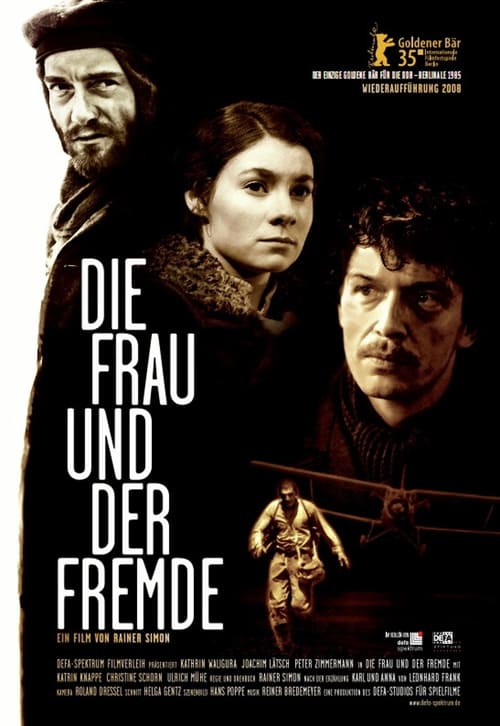
1985
Director
Rainer Simon
Runtime
97 minutes
Average Rating
No ratings yetNew Showbiz Analysis
Rainer Simon’s drama shifts the focus from typical war narratives to the psychological resilience of its female protagonist. By emphasizing Anna’s journey, the film explores deeper domestic and moral issues. However, the film remains confined to its historical and regional context, lacking diverse representation for LGBTQ+, racial, or disability identities. Its strength lies in its class-based perspective and subversion of traditional gender roles.
Category Breakdown
The film follows the heterosexual norms of its time, with no depiction of non-binary gender identities or same-sex relationships.
The story emphasizes Anna's emotional strength and perseverance, challenging traditional male dominance by making her the main character driving the plot.
The cast is primarily composed of people from similar backgrounds, reflecting the film's East German origins in the mid-1980s. The movie lacks ethnic diversity and focuses on a specific European setting.
The narrative highlights the struggles of the working class and promotes socialist humanist ideals. It avoids focusing on religious morality, instead addressing individual moral dilemmas within a broader societal context.
Characters are portrayed based on their social roles and reactions to war trauma. There are no significant representations of physical or cognitive disabilities.
Present on Screen
Limited or Absent
Official Synopsis
Based on a switched identity, in circumstances that are found in real life as well as fiction, this drama tells the story of two soldiers fighting together in World War I. Karl (Joachim Latsch) and Richard (Hans-Use Bauer) become close friends while serving time in a German POW camp. One day Karl manages a successful escape and goes to Richard's home where he seeks refuge posing as Richard. But Richard's wife Anna (Kathrin Waligura) has never given up hope that her husband is still alive -- a possibility that would shatter Karl's proposed new life. In fact, Richard did not die in the POW camp. This film shared the Grand Prix award at the 1985 Berlin Film Festival.
1944
1959
1970
2020

2018
1936
2017
2014
No reviews yet. Be the first to share your thoughts on this movie!
Use the rating form above to leave a star rating and optional review.