Images of Liberation
1982
No user ratings available yet
Representation score: 5.2 out of 10
Representation Score
Fair
1976
NRDirector
Volker Schlöndorff
Runtime
95 minutes
Average Rating
No ratings yetNew Showbiz Analysis
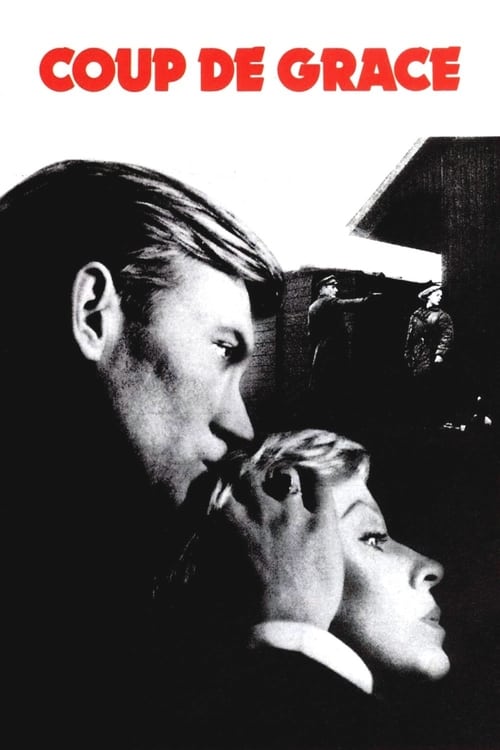
Coup de Grâce is a character-driven drama that uses a historical backdrop to examine power structures. By focusing on the Countess, the film highlights women's ability to drive the story within the strict Prussian military hierarchy of 1919. However, the film primarily concentrates on a specific European aristocratic class. The narrative's focus on Prussian and aristocratic figures limits its representation of diverse ethnic backgrounds, despite the complex geopolitical context of the Baltic region. Ultimately, the film successfully dismantles traditional institutions and social orders. It shifts the emphasis from battlefield victories to the study of interpersonal ability to act and the collapse of imperial stability.
Category Breakdown
The story revolves around a romantic relationship between a Countess and a Prussian officer, which is centered on heterosexual attraction. While the film explores repressed desires, it does not include any specific LGBTQ+ identities.
The narrative emphasizes a female protagonist whose emotional journey drives the main conflict. This shifts the focus from traditional military hierarchies to a woman's personal perspective.
The film focuses on Prussian and aristocratic figures set in 1919 Baltic region. There is little evidence of diverse ethnic perspectives beyond the European aristocracy.
The film critiques the decline of the Prussian officer class and the instability of the aristocracy after World War I. It examines the breakdown of traditional Western hierarchies during this period.
There is no evidence regarding the portrayal of physical or neurodivergent disabilities in this work.
Present on Screen
Limited or Absent
Official Synopsis
A countess loves her brother's Prussian-officer friend in the 1919 Baltic area.
1982
1968
1981
1958
1919

1954
1987

2019
No reviews yet. Be the first to share your thoughts on this movie!
Use the rating form above to leave a star rating and optional review.