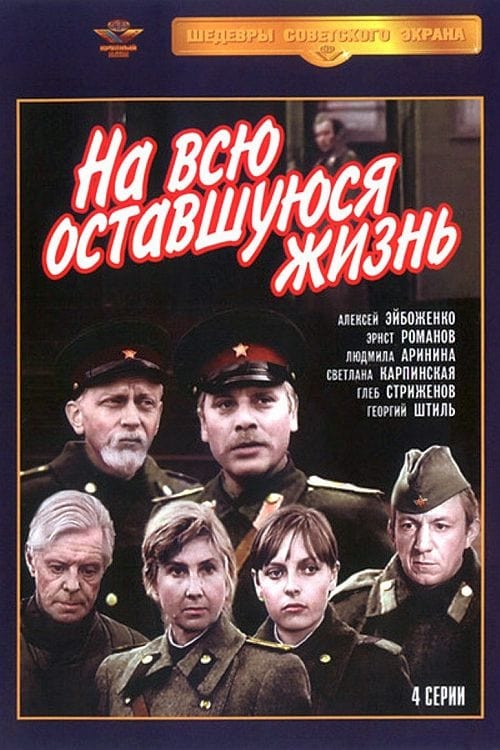
For the Rest of My Life
1975
No user ratings available yet
Diversity score: 4.2 out of 10
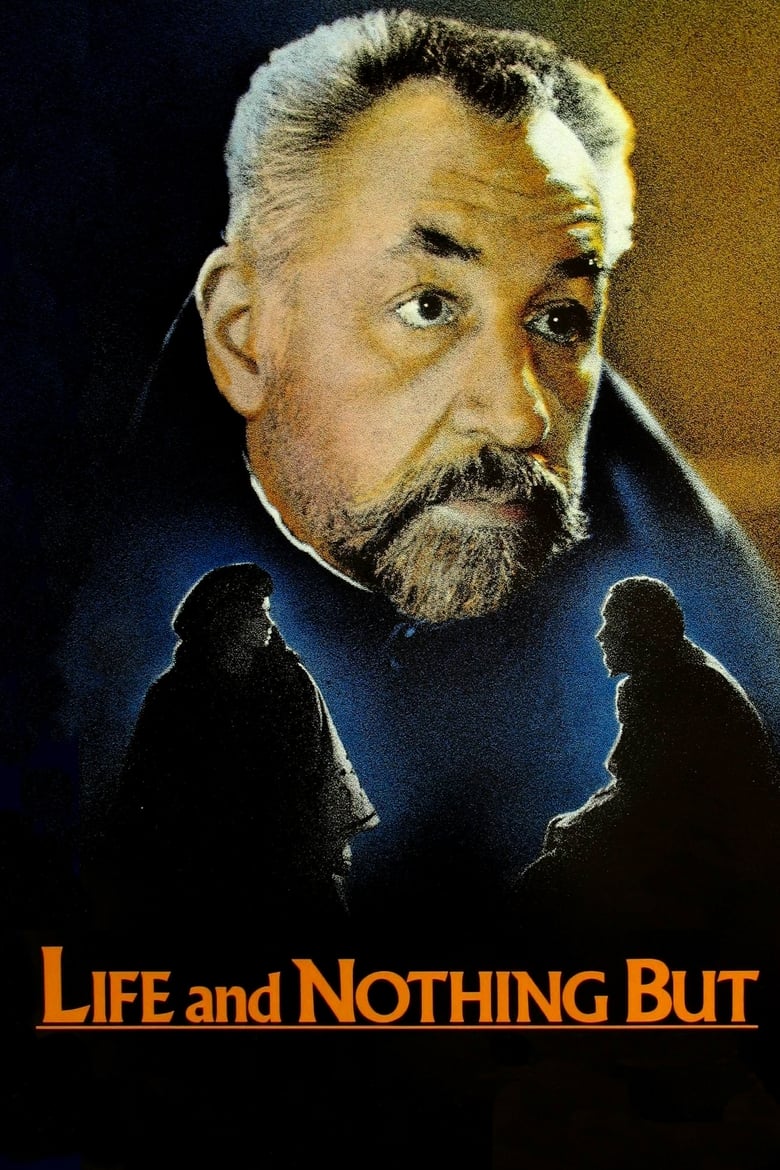
1989
Director
Bertrand Tavernier
Runtime
135 minutes
Average Rating
No ratings yetSynopsis
January, 1920. 350,000 French soldiers remain missing in action. Major Dellaplane tirelessly matches the dead and the wounded with families' descriptions. Honor and ethics drive him; he hates the idea of "the unknown soldier." Into his sector, looking for her husband, comes a haughty, politically connected Parisian, Madame Irène de Courtil. Brusquely, Dellaplane offers her 1/350,000th of his time, but as their paths cross and she sees his courage and resolve, feelings change. After he finds a surprising connection between her missing husband and a local teacher, Irène makes Dellaplane an offer. This man of action hesitates: has he missed his only chance?
Overall Score
Limited
Category Breakdown
LGBTQ+ Representation
The film lacks LGBTQ+ characters or explorations of non-heteronormative identities. It adheres to the social realities of its 1930s setting, focusing on traditional communal and familial structures.
Gender Representation
Political and social tensions are largely navigated through male-dominated structures. While women appear in domestic spheres, they lack the narrative agency to drive primary political shifts.
Racial & Ethnic Diversity
The ensemble is a largely homogeneous European group, consistent with a rural French village setting. There is no evidence of non-white characters within this historical context.
Religious & Cultural Diversity
The narrative critiques prevailing socio-political orders by focusing on working-class struggles. It highlights how macro-political instability impacts the common person and challenges traditional Western institutions.
Disability Representation
There is no significant evidence of characters with visible or invisible disabilities. The focus remains on the collective village experience rather than individual physical or neurodivergent representation.
Strengths
Areas for Improvement
AI Analysis
Bertrand Tavernier’s work functions as a study of socio-economic dynamics rather than a traditional heroic narrative. The film prioritizes the impact of macro-political shifts on micro-communities, offering a critique of systemic failures during a period of historical crisis. While the film lacks intersectional representation regarding race, gender, and LGBTQ+ identities, it finds depth in its portrayal of the working class. It avoids the 'hero's journey' trope to examine how institutional instability affects social cohesion. Ultimately, the film is a work of historical realism. It reflects the demographic and social constraints of its era while maintaining a progressive lens through its focus on class struggle and systemic critique.
1975
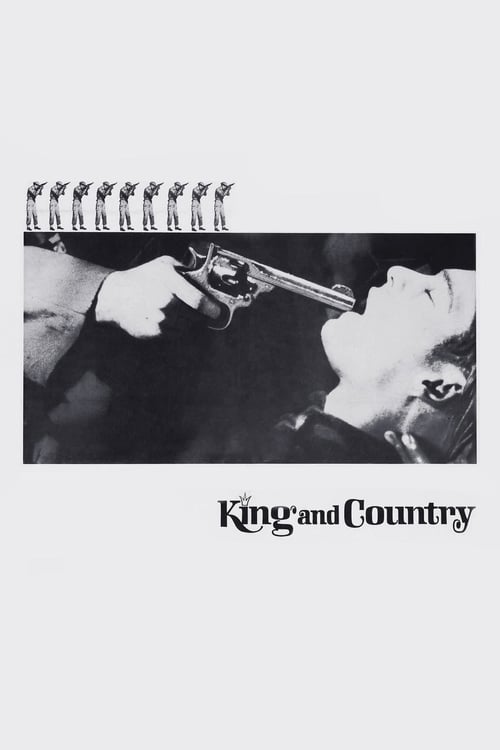
1964
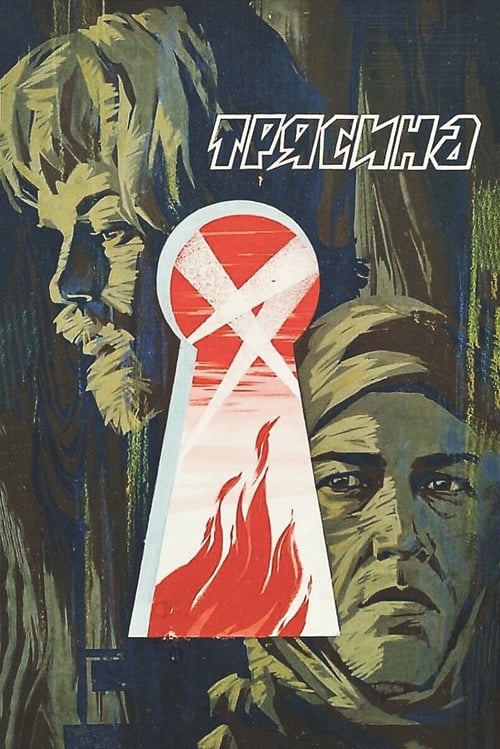
1978
1919
1985

2018
1962
1962
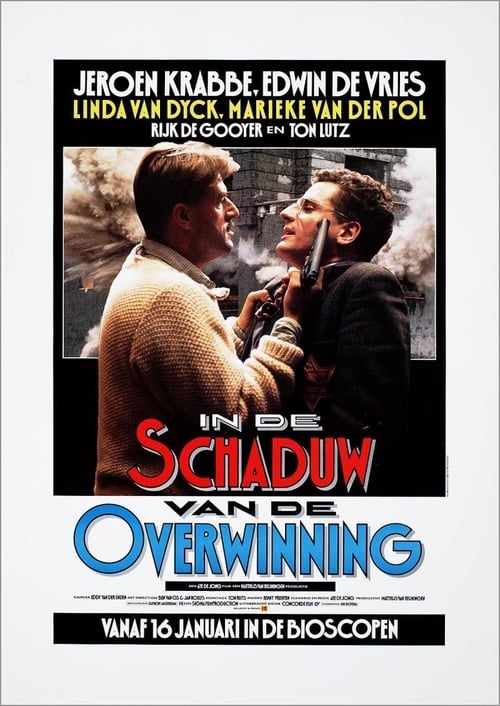
1986
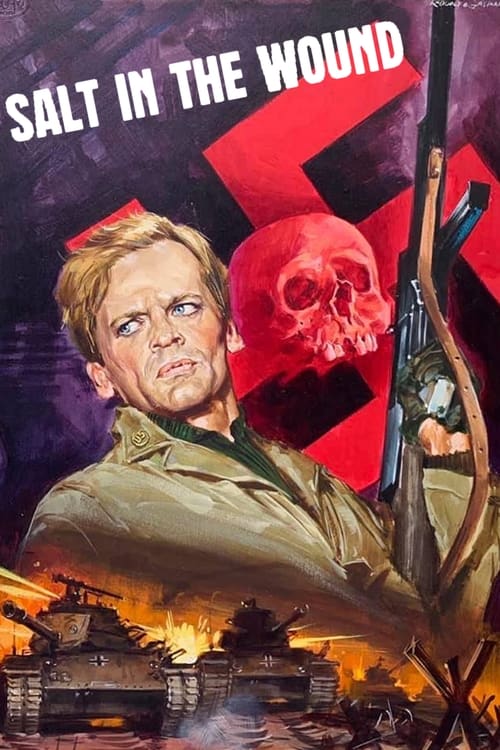
1969
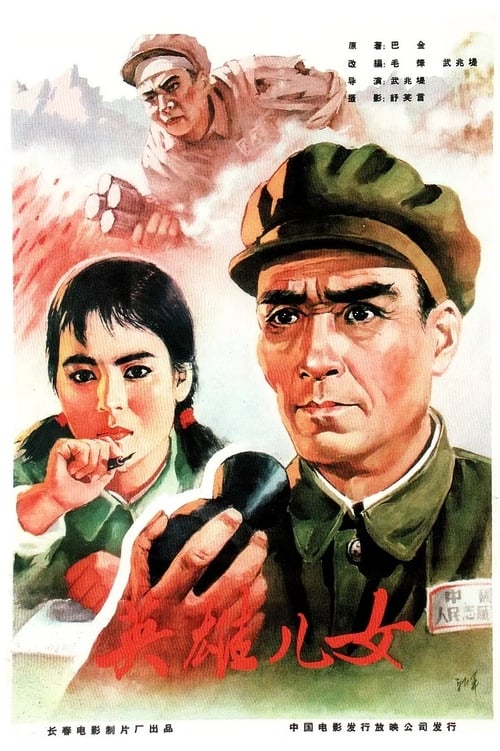
1964
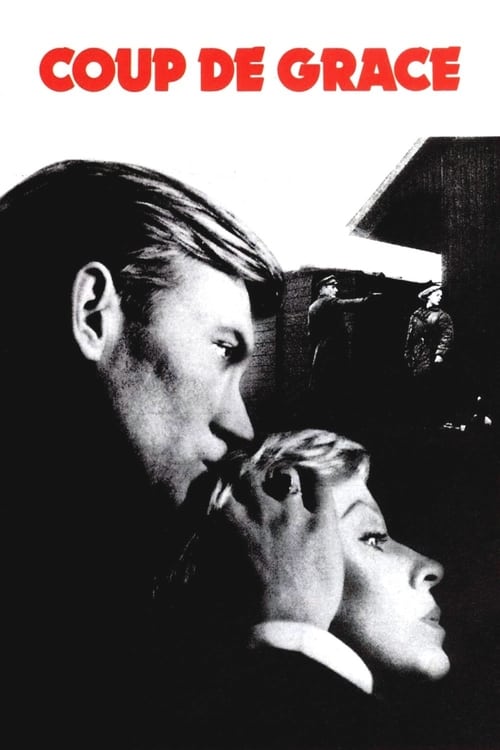
1976
No reviews yet. Be the first to share your thoughts on this movie!
Use the rating form above to leave a star rating and optional review.