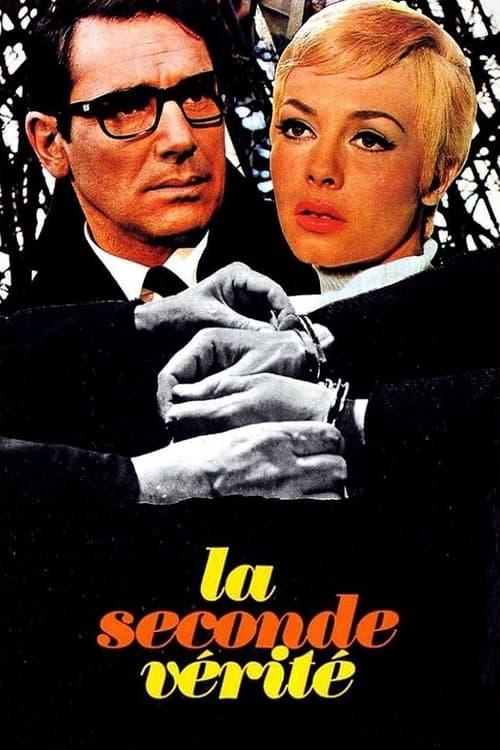
The Other Truth
1966
No user ratings available yet
Diversity score: 2.6 out of 10
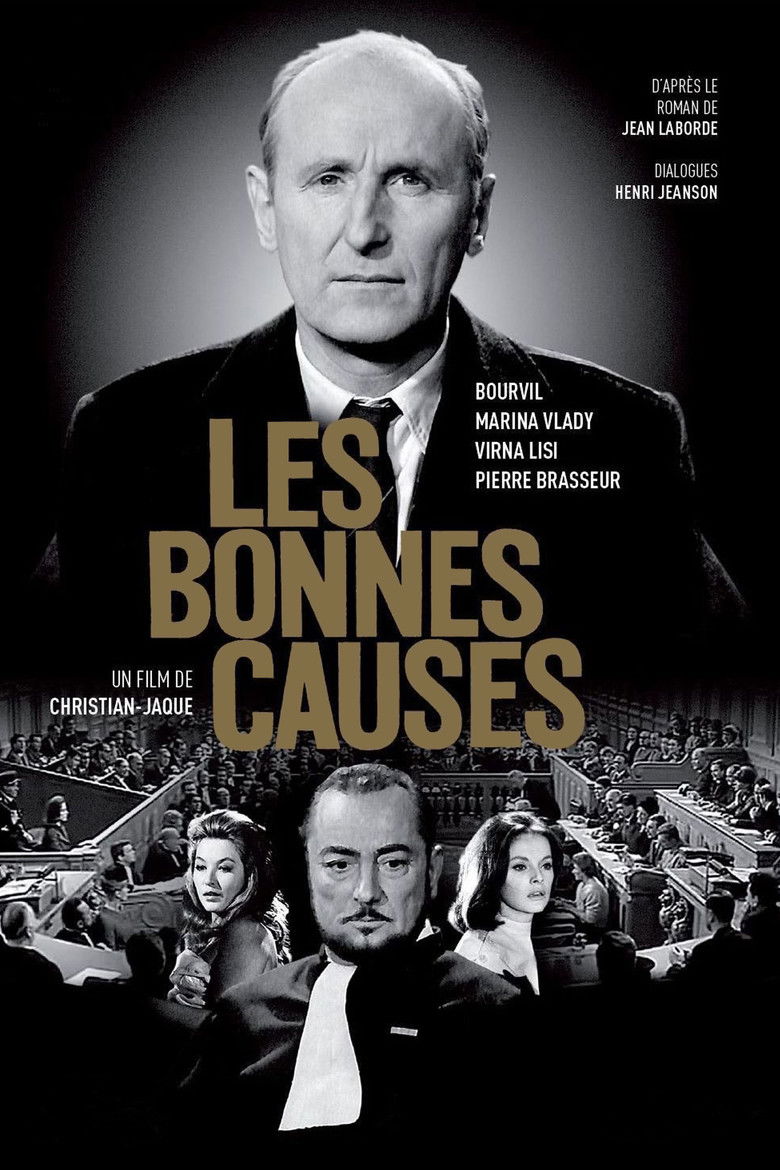
1963
Director
Christian-Jaque
Runtime
120 minutes
Average Rating
No ratings yetSynopsis
A lovely young nurse finds herself framed for the murder of a hospital patient who died after she administered an injection.
Overall Score
Limited
Category Breakdown
LGBTQ+ Representation
The film lacks any depiction of non-cisnormative identities or same-sex intimacy. It follows a conventional dramatic structure centered on a singular protagonist.
Gender Representation
A female nurse serves as the central protagonist facing a life-altering crisis. However, the narrative relies on the trope of a woman being victimized by male-driven legal and medical systems.
Racial & Ethnic Diversity
The production reflects the homogeneous demographic norms of 1963 France. There is no evidence of diverse casting or non-white ensembles within the narrative.
Religious & Cultural Diversity
The story emphasizes institutional order and individual culpability within a traditional crime drama framework. It respects established social roles rather than critiquing them.
Disability Representation
While set in a hospital, characters with disabilities appear to be passive elements of the medical setting. There is no evidence of nuanced or agentic disability representation.
Strengths
Areas for Improvement
AI Analysis
Don't Tempt the Devil is a mid-century crime drama that adheres strictly to the cinematic conventions of its era. While it provides a central role to a woman, the storytelling remains tethered to traditional tropes where the female lead is a victim of circumstance. The film lacks intersectional complexity, offering little in the way of racial, cultural, or LGBTQ+ diversity. It functions within established social hierarchies rather than attempting to subvert or critique them. Ultimately, the work serves as a standard period drama that prioritizes institutional stability and conventional narrative structures over progressive representation.
1966
1954
1959
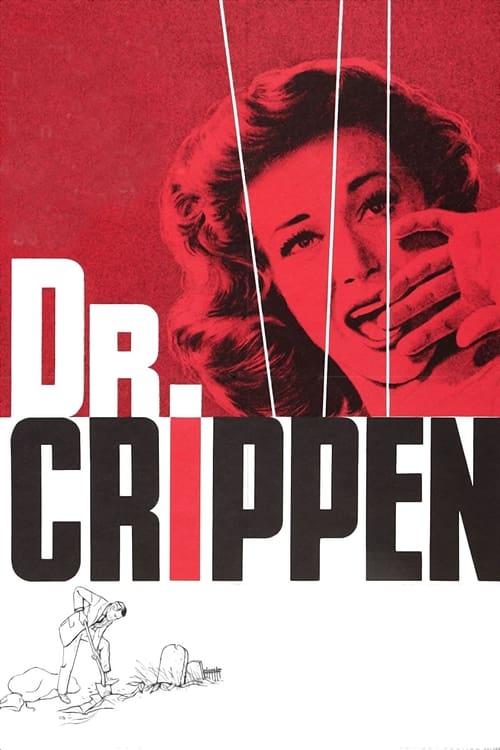
1963

1931
1930
1939
1949

1951
1929
1938
1953
No reviews yet. Be the first to share your thoughts on this movie!
Use the rating form above to leave a star rating and optional review.