Torso: The Evelyn Dick Story
2002
No user ratings available yet
Representation score: 2.4 out of 10
Representation Score
Minimal
1963
NRDirector
Robert Lynn
Runtime
98 minutes
Average Rating
No ratings yetNew Showbiz Analysis
Dr. Crippen (1963) is a traditional biographical crime drama that adheres closely to the historical and social contexts of its time. The film prioritizes the mechanics of forensic science and the judicial process over any challenge to social norms. The narrative structure is conventional, reinforcing the stability of traditional institutions such as the law and the nuclear family. It presents a historical event through a lens of traditional morality and institutional authority. Overall, the film upholds the status quo of the early 20th-century British middle class.
Category Breakdown
The film does not include any identifiable LGBTQ+ characters or storylines. The main conflict revolves around traditional heterosexual marriage and infidelity.
The story focuses on a male professional whose actions and legal defense drive the plot. Female characters are primarily defined by their relationships with the male lead.
The production mirrors the demographic uniformity of early 20th-century London. The cast is entirely white, and the story does not address racial or ethnic diversity.
The film operates within a traditional Western institutional framework, emphasizing the authority of the police, forensic sciences, and the court system without significant criticism.
The film does not depict any significant physical or neurodivergent disabilities that influence the narrative or character development.
Present on Screen
Limited or Absent
Official Synopsis
A British physician stands trial for murdering his wife after he and his mistress are captured while fleeing to Canada.
2002

2015
1963
1971
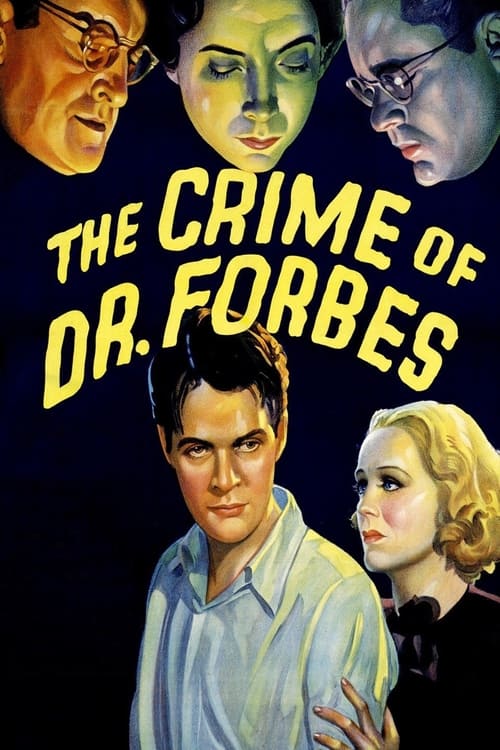
1936
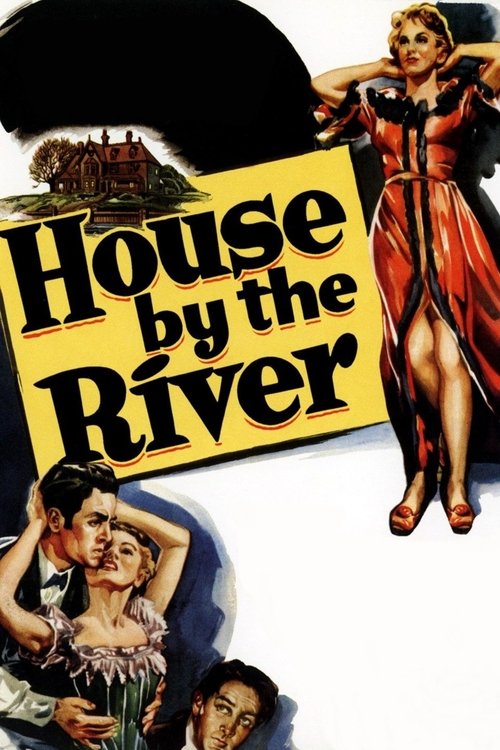
1950
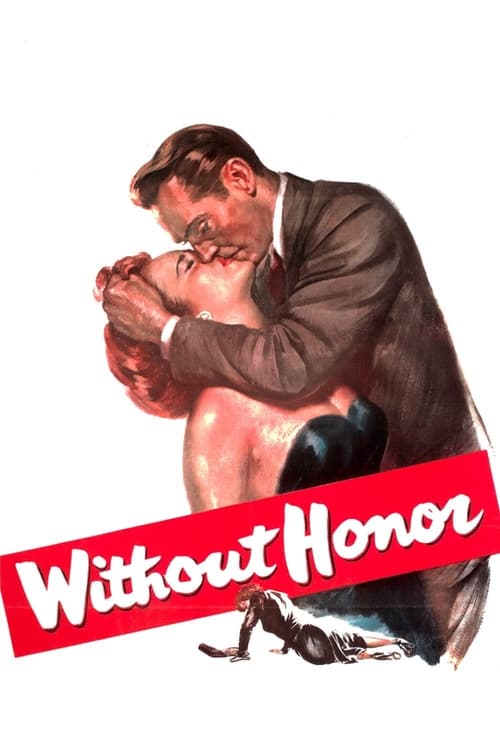
1949

1955
No reviews yet. Be the first to share your thoughts on this movie!
Use the rating form above to leave a star rating and optional review.