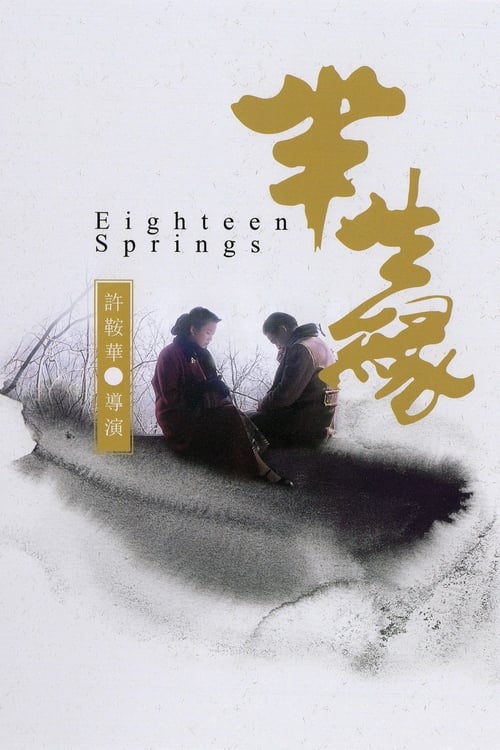
Eighteen Springs
1997
No user ratings available yet
Representation score: 5.1 out of 10

Representation Score
Good
2001
Director
Yonfan
Runtime
123 minutes
Average Rating
No ratings yetNew Showbiz Analysis
Peony Pavilion is a stylized exploration of passion that prioritizes individual ability to act over historical social constraints. By centering a female protagonist with strong emotional autonomy, the film challenges patriarchal structures through her pursuit of romantic fulfillment. The production excels in cultural authenticity, reinforcing non-Western perspectives and avoiding Western-centric casting pitfalls. While it doesn't explicitly represent modern LGBTQ+ identities, its focus on transgressive desire and the blurring of dream and reality offers a sophisticated subtextual disruption of traditional social mandates.
Category Breakdown
The film explores themes of forbidden love and desire that defy societal norms. Although it doesn't explicitly focus on modern LGBTQ+ identities, the narrative challenges traditional views on romance and social norms.
Du Liniang actively shapes her own story, showcasing strong emotional independence and a pursuit of fulfillment that contrasts with the era's expectations of women being passive and submissive.
The film maintains high cultural authenticity with a predominantly Chinese cast, focusing on a non-Western narrative and avoiding the pitfalls of Western-centric casting by using local talent.
The narrative emphasizes individual emotional truth over strict social or religious rules. It uses the scholar-official class to critique traditional constraints, highlighting personal freedom and liberation.
There is no significant depiction of physical or neurodivergent disabilities in this work.
Present on Screen
Limited or Absent
Official Synopsis
In 1930s Suzhou, the fifth wife of an opium-addicted aristocrat, her husband's female cousin, and a handsome instructor develop an intense relationship.
1997
1964

1996
1992

2004

1993

2005

2002
No reviews yet. Be the first to share your thoughts on this movie!
Use the rating form above to leave a star rating and optional review.