
Love and Honor
2006
No user ratings available yet
Representation score: 2.9 out of 10
Representation Score
Fair
2004
RDirector
Yoji Yamada
Runtime
132 minutes
Average Rating
No ratings yetNew Showbiz Analysis
The film is a traditional historical drama that prioritizes period authenticity over modern characters who reflect more than one aspect of diversity. It focuses on the rigid social structures of the late Edo period, limiting the range of demographic diversity. However, the film delves into thematic complexity, avoiding simplistic heroic narratives. Instead, it challenges institutional authority and the instability of old hierarchies during a period of systemic change. While it lacks representation for LGBTQ+ individuals and people with disabilities, it successfully captures the cultural friction caused by Western modernization.
Category Breakdown
The story centers on a romance between a samurai and a farm girl, reflecting traditional heterosexual relationships. No characters with LGBTQ+ identities or subtext are present.
Men drive the plot through martial duties and political involvement. Women mainly have supportive or domestic roles, reinforcing traditional gender roles of the Edo period.
The cast is culturally uniform, representing 19th-century Japan. The film explores the tension between indigenous traditions and the growing influence of Western culture.
The film provides a nuanced look at moral ambiguity during the Bakumatsu era. It portrays political revolutionaries as complex figures rather than simple criminals.
Characters are defined by their physical strength and martial skills. There is no significant focus on neurodivergence or physical impairments as part of the character development.
Present on Screen
Limited or Absent
Official Synopsis
Set in 19th Century Japan a young samurai who finds himself in love with a farm girl leaves his home to begin a new life. He has to take stock of his new life when he is put to the test and ordered to kill a traitor who just happens to be his dearest friend.
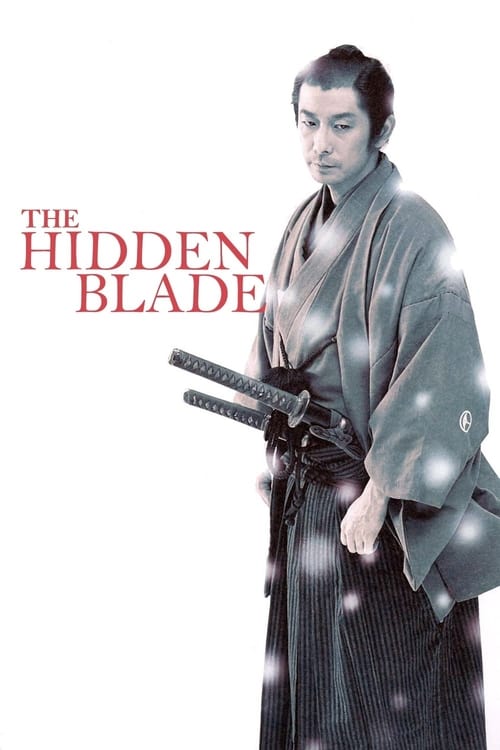
2006

1954
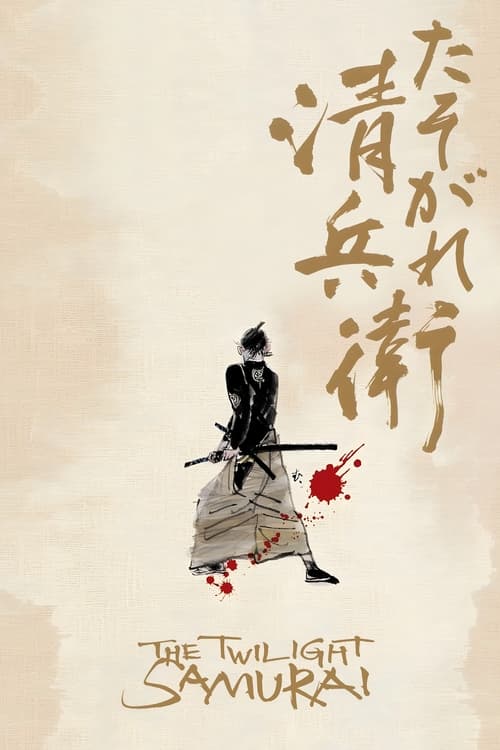
2002
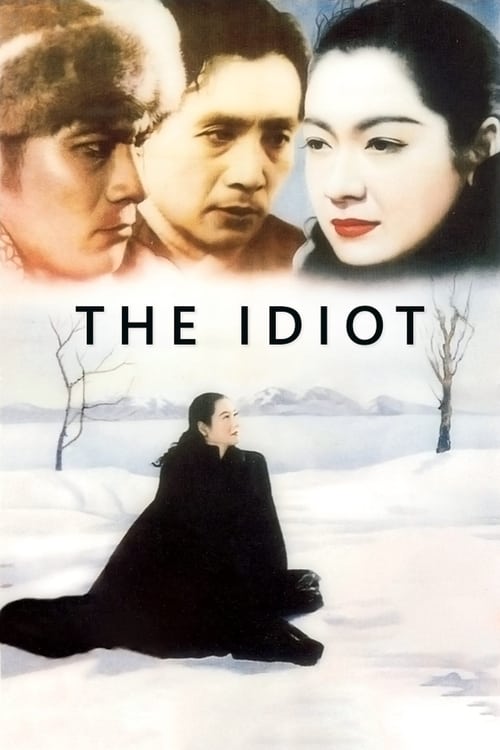
1951

2005
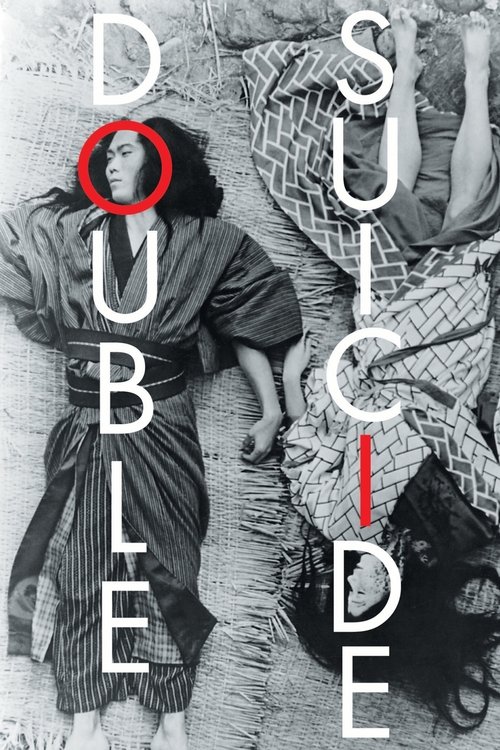
1969
2002

2021
No reviews yet. Be the first to share your thoughts on this movie!
Use the rating form above to leave a star rating and optional review.