Nerone
1977
No user ratings available yet
Representation score: 4.7 out of 10
Representation Score
Fair
1977
Director
Roberto Bianchi Montero
Runtime
88 minutes
Average Rating
No ratings yetNew Showbiz Analysis
Caligula's Hot Nights functions as a comedic disruption of the 'great man' theory of history. It succeeds by using satire to undermine the stability of male-centric leadership and traditional Roman power structures. However, the film lacks explicit multi-layered depth. While it deconstructs gendered authority, it does not provide clear evidence of diverse racial casting or specific LGBTQ+ identities. Ultimately, the film's strength lies in its institutional critique rather than proactive social representation.
Category Breakdown
The film explores non-traditional masculinity through Caligula's struggle with his identity. Though it doesn't explicitly include LGBTQ+ identities, its humorous approach challenges the traditional Roman leadership norms.
The narrative subverts patriarchal authority by showing the Emperor as powerless and inept. This portrayal effectively mocks the traditional masculine ideal.
The film likely follows typical period clichés of Imperial Rome. There is no indication of efforts to cast actors from diverse ethnic backgrounds or include varied racial representation.
The story critiques established institutions by depicting the Imperial system as dysfunctional. It uses religious festivals to highlight the anxiety surrounding traditional authority.
The plot focuses on the Emperor's powerlessness, which is framed as a crisis of masculinity. There is no specific depiction of disability with meaningful roles.
Present on Screen
Limited or Absent
Official Synopsis
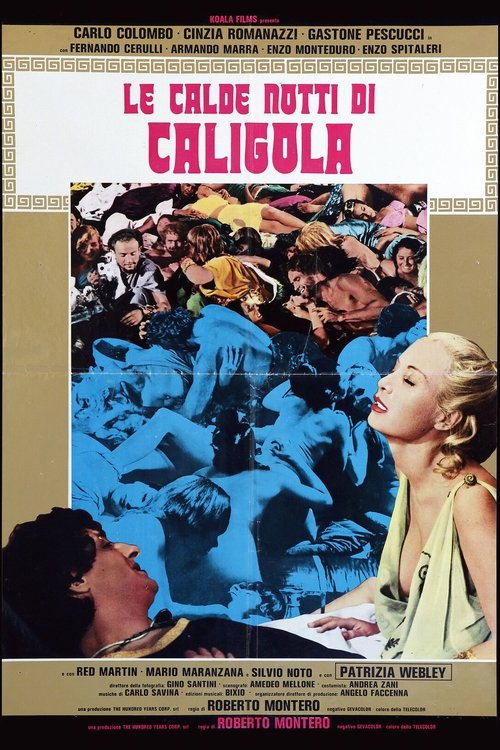
In Augusta the emperor Caligula has a serious problem: he must demonstrate his manliness "coram populo" on the occasion of the feast of Priapus. But the Imperial young man is powerless and threatens a fool in front of the people who arrive in droves to watch the battle. To avoid this conflict, he goes to the professor Barnardus and attempts to hide out in his clinic.
1977

1964
1971
1971
1955
1972
1972
1984
No reviews yet. Be the first to share your thoughts on this movie!
Use the rating form above to leave a star rating and optional review.