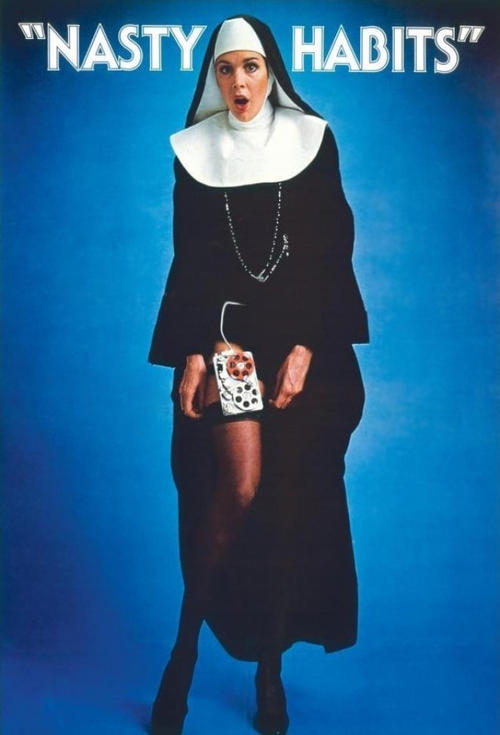
Naughty Nun
1972
No user ratings available yet
Representation score: 3.1 out of 10
Representation Score
Fair
1977
PGDirector
Michael Lindsay-Hogg
Runtime
96 minutes
Average Rating
No ratings yetNew Showbiz Analysis
Nasty Habits disrupts traditional gender roles by placing female ambition at the center of its conflict. The characters take control of the plot rather than being passive figures, using sexuality as a tool of empowerment. However, the film lacks depth in representing diverse identities. The cast is largely homogeneous, and the narrative remains focused on heterosexual norms, missing opportunities for broader queer or racial representation. Ultimately, the film is a study in institutional critique, using a convent setting to challenge religious morality through a lens of individual liberation.
Category Breakdown
The film focuses on heterosexual sexual liberation typical of 1970s sex comedies. It lacks explicit same-sex intimacy or non-cisgender identities, staying within conventional romantic structures.
The narrative challenges traditional gender hierarchies by centering on two women vying for institutional leadership. These characters play a significant role in driving the plot through their own ambitions.
The film features a predominantly homogeneous cast. It lacks visible racial or ethnic diversity within the primary ensemble, reflecting the casting trends of the era.
The story critiques Western religious institutions by prioritizing personal desire over dogma. It portrays religious authority as a site of comedic conflict rather than moral sanctity.
There is no discernible evidence regarding the depiction of physical or neurodivergent disabilities in this work.
Present on Screen
Limited or Absent
Official Synopsis
In a Philadelphia convent, two nuns battle it out to be elected to the position of head abbess, and neither is about to let anything stand in the way of getting what she wants.
1972
1980

1971
1969
1989
1969

1975

1974
No reviews yet. Be the first to share your thoughts on this movie!
Use the rating form above to leave a star rating and optional review.