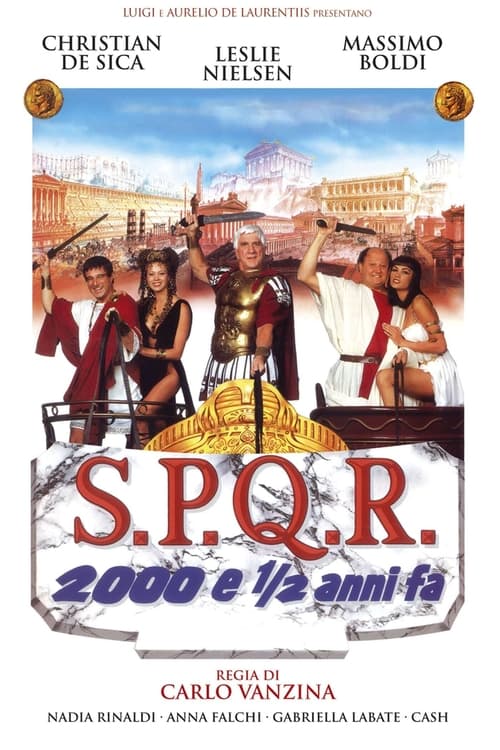
S.P.Q.R.: 2,000 and a Half Years Ago
1994
No user ratings available yet
Representation score: 3.5 out of 10
Representation Score
Limited
1969
Director
Guido Malatesta
Runtime
94 minutes
Average Rating
No ratings yetNew Showbiz Analysis
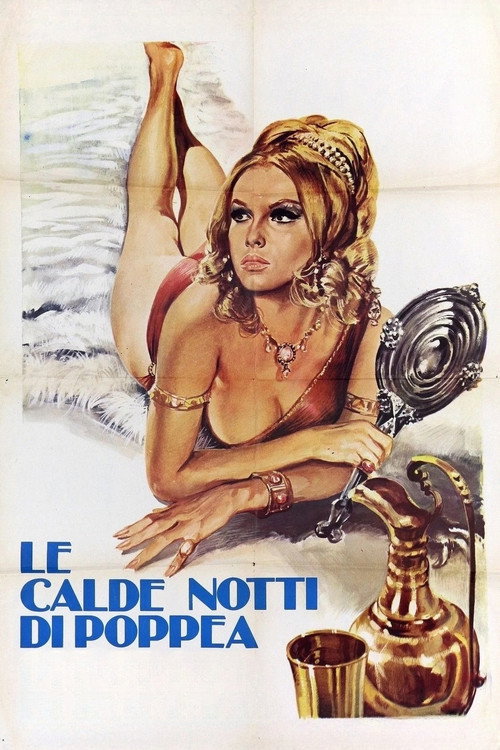
Poppea's Hot Nights is a product of the late-1960s Italian erotic comedy tradition. It prioritizes commercial escapism and genre clichés over progressive narrative disruption or systemic social critique. The film relies heavily on period-specific archetypes, such as the hyper-sexualized female protagonist, reinforcing traditional hierarchies rather than subverting them. Ultimately, the production reflects the casting norms and social perspectives of its era, offering minimal engagement with diverse identities.
Category Breakdown
The film follows traditional romantic and sexual dynamics without challenging the assumption that everyone is straight or cisgender or representing non-assuming gender matches what was assigned at birth gender identities.
The female lead is central, but the narrative often positions women as objects of desire rather than as agents of change.
Casting follows a standard Mediterranean approach typical of 1969 Italian productions. There is no evidence of race-bent casting to challenge historical norms.
The pagan Roman setting avoids promoting singular Christian morality. However, the film focuses on hedonism rather than critiquing Western social structures.
There is no discernible evidence regarding the inclusion or portrayal of characters with physical or neurodivergent disabilities.
Present on Screen
Limited or Absent
Official Synopsis
Poppea's Hot Nights (Italian: Le calde notti di Poppea) is a 1969 Italian comedy film set in Ancient Rome. It was written and directed by Guido Malatesta and stars Olga Schoberová (credited as Olinka Berova) and Brad Harris in the main roles.
1994

1964
1960
1955
1977

1952
1960
1977
No reviews yet. Be the first to share your thoughts on this movie!
Use the rating form above to leave a star rating and optional review.