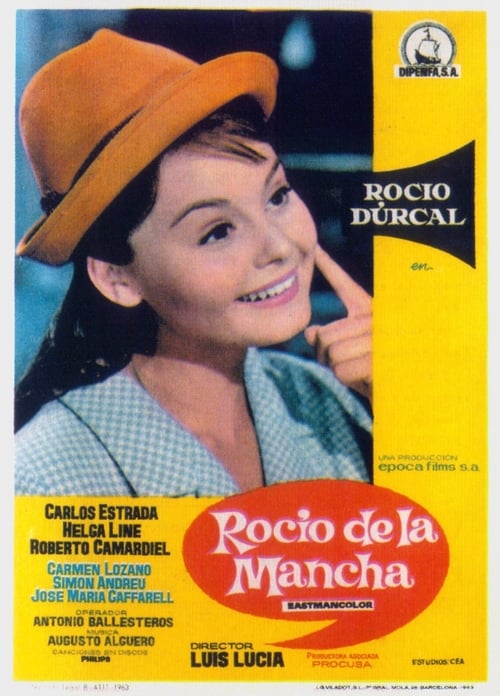
Rocío de la Mancha
1963
No user ratings available yet
Representation score: 1.8 out of 10
Representation Score
Fair
1983
Director
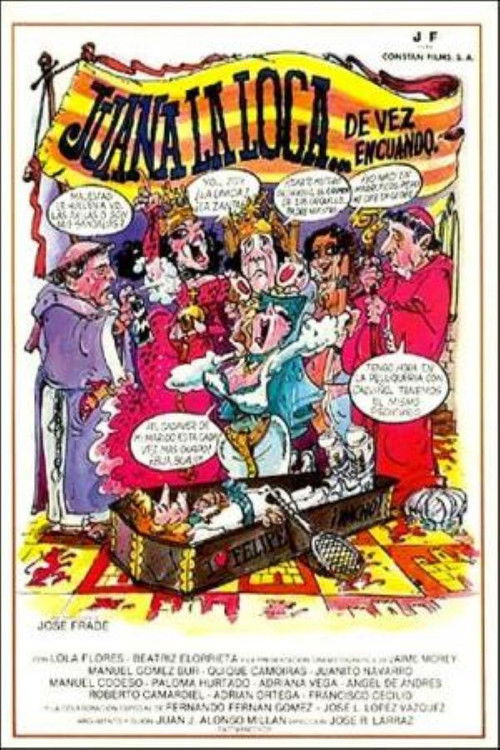
José Ramón Larraz
Runtime
87 minutes
Average Rating
No ratings yetNew Showbiz Analysis
The film serves as a satirical critique of historical authority. It excels in challenging gendered expectations by featuring a protagonist who rejects traditional marital roles in favor of personal freedom. This offers a humorous look at patriarchal structures. However, the film is constrained by its historical context and era-specific casting. It lacks meaningful racial diversity and does not delve into specific LGBTQ+ identities, focusing instead on general non-conformity. Overall, the work exists in a transitional phase. While it successfully mocks institutional power and gender norms, it falls short in providing layered diversity or multi-layered depth.
Category Breakdown
The film hints at a departure from the assumption that everyone is straight or cisgender by showing the protagonist's sexual behavior. However, it doesn't include clear examples of same-sex relationships or specific LGBTQ+ identities.
Juana is portrayed as a strong-willed character who defies marriage expectations. This challenges the stereotype of the submissive queen and questions the control of patriarchal structures.
The casting reflects the demographic uniformity of the time period. The production stays true to the ethnic makeup of the historical era being mocked.
The parody targets the sacredness of the monarchy and religious power. It uses humor to break down traditional Western institutions and strict moral codes.
There are no characters with visible or invisible disabilities playing a central role in the plot or being used for ridicule.
Present on Screen
Limited or Absent
1963
1988
1973
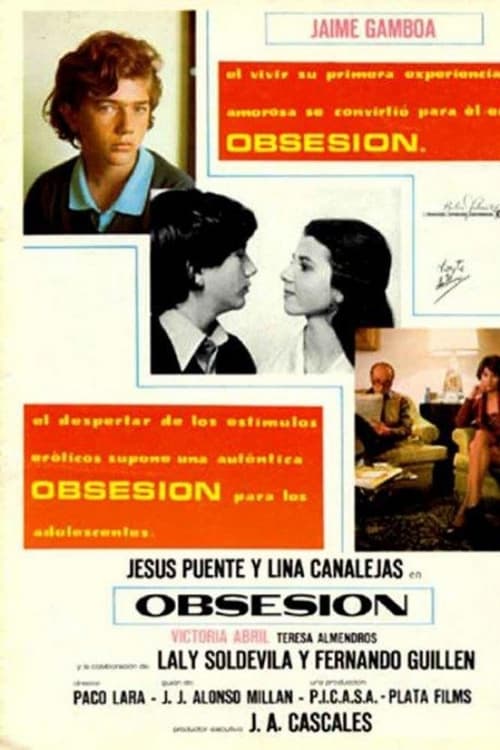
1975
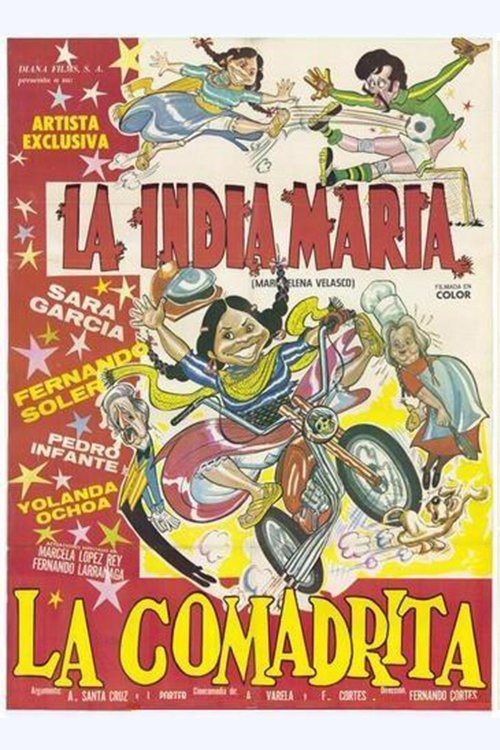
1978
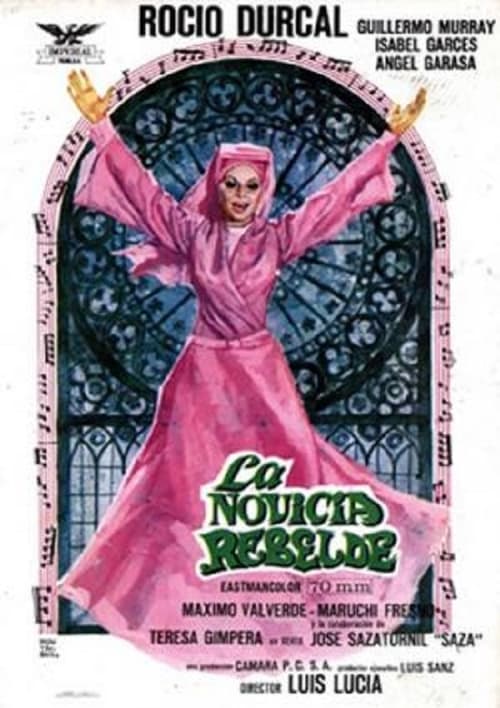
1971
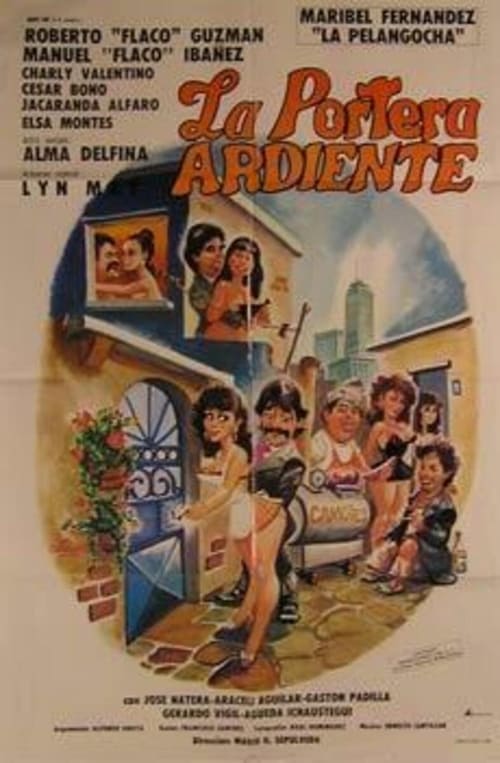
1989
1981
No reviews yet. Be the first to share your thoughts on this movie!
Use the rating form above to leave a star rating and optional review.