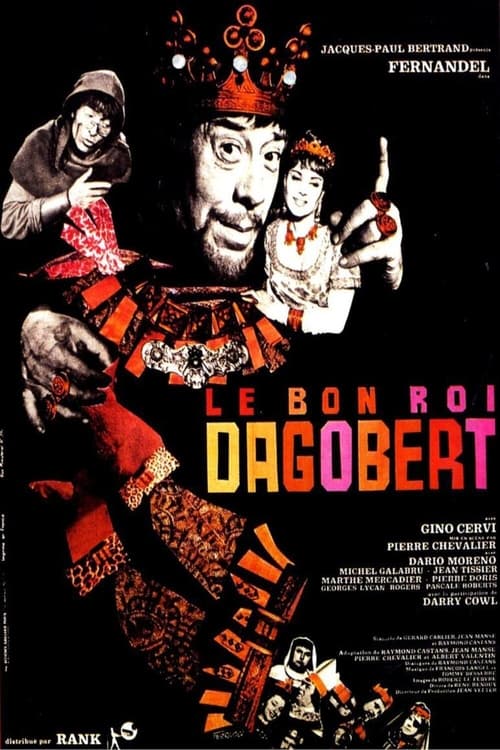
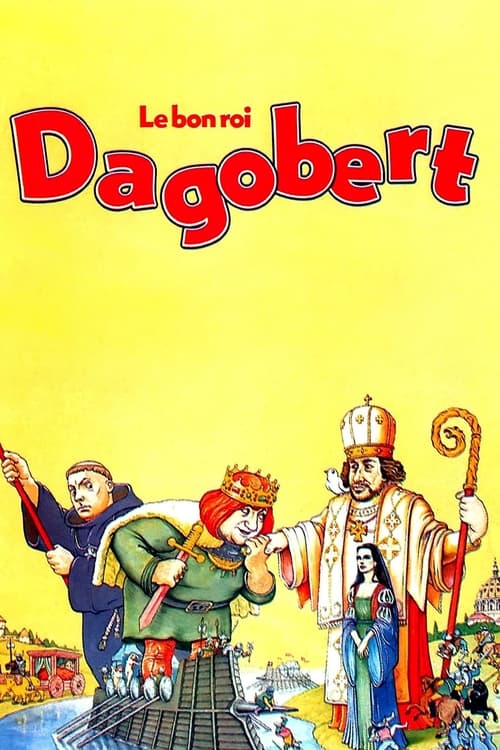
Good King Dagobert
1963
No user ratings available yet
Representation score: 3.2 out of 10
Representation Score
Fair
1984
Director
Dino Risi
Runtime
112 minutes
Average Rating
No ratings yetNew Showbiz Analysis
Good King Dagobert functions as a historical satire that uses caricature to deconstruct authority. While it lacks modern markers of diversity, it successfully challenges the perceived stability of royal and religious institutions by highlighting the fallibility of its central figures. The film's strength lies in its willingness to mock traditional power structures. By focusing on the King's bodily dysfunction and the political machinations within the Vatican, the narrative moves away from idealized historical depictions toward a more cynical, human-centric view. However, the film remains limited by its historical context. The lack of visible LGBTQ+ representation and a predominantly European demographic landscape prevent a higher score, even as the satire challenges social hierarchies.
Category Breakdown
The film does not include any explicit LGBTQ+ characters or non-straight relationships. The narrative centers on the monarch's physical and political struggles.
A powerful Byzantine princess drives the plot and plays a significant role in the story. She avoids the passive female stereotype, but it's unclear if this represents broader systemic challenges.
The historical setting involving the Frankish monarchy and the Byzantine Empire provides a framework for cross-cultural interaction. However, the cast appears largely limited to a European demographic.
The story deconstructs the sanctity of the monarchy and the Church through satire. It portrays the Papacy as a site of political opportunism and moral relativism rather than divine authority.
The protagonist faces intestinal and sexual issues, suggesting physical vulnerability. However, it is unclear if these conditions are handled with dignity or used merely for comedic effect.
Present on Screen
Limited or Absent
Official Synopsis
King's Dagobert I intestinal and sexual problems loom large as he survives an attack on his royal caravan then barely makes it to Rome to personally give thanks to the Pope. After he arrives at the Vatican, he becomes involved in the battle between two contenders for the papacy and has to face the machinations of a ruthless Byzantine princess.
1963

1964
1977
1971
1968

1981
1991
1966
No reviews yet. Be the first to share your thoughts on this movie!
Use the rating form above to leave a star rating and optional review.