Andy Hardy's Dilemma: A Lesson in Mathematics... and Other Things
1940
No user ratings available yet
Diversity score: 1.7 out of 10
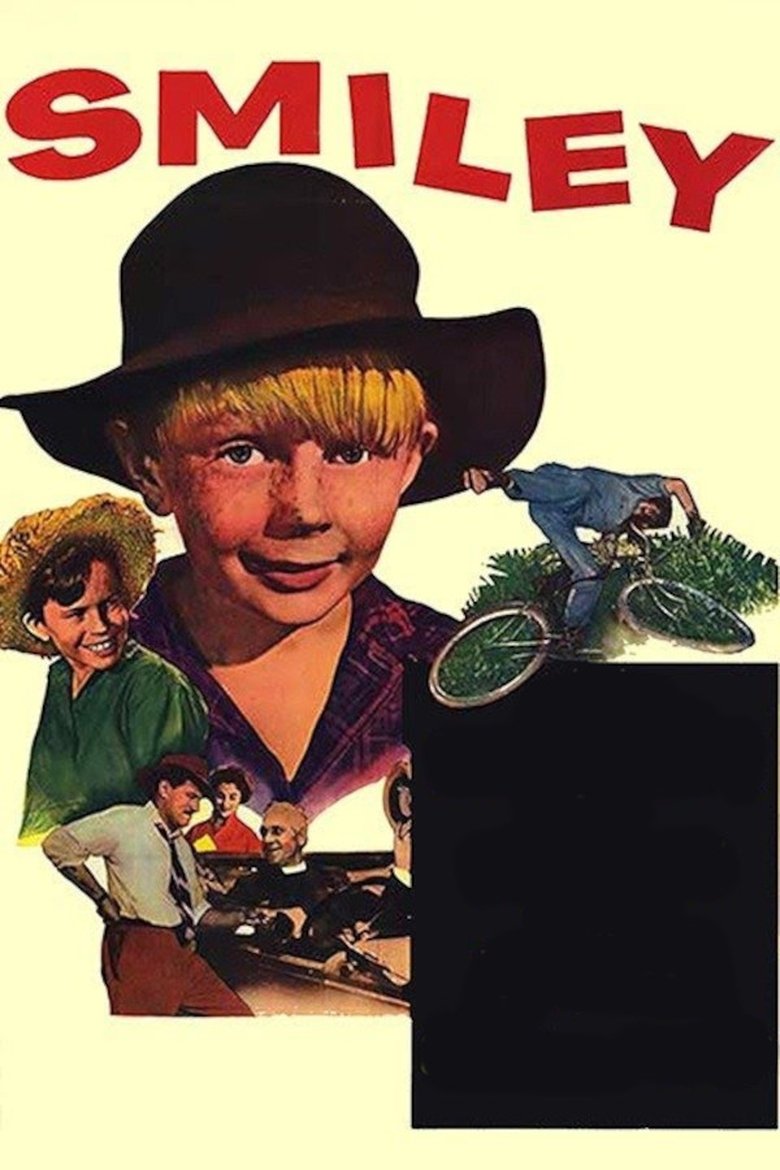
1956
NRDirector
Anthony Kimmins
Runtime
97 minutes
Average Rating
No ratings yetSynopsis
Smiley Greevins is a cheeky, mischievous, imaginative little boy who lives in the small town of Murrumbilla in the Australian outback. His father Bill is a poor drover who is often away from home. Much to the exasperation of his overworked wife, Ma Greevins, Bill is also very fond of the drink. Smiley is determined to buy himself a push bike and so he takes on odd jobs in an effort to save up enough money. But Smiley always seems to get caught up in some sort of misadventure. Smiley is a classic Australian film that will delight audiences of all ages.
Overall Score
Minimal
Category Breakdown
LGBTQ+ Representation
The film contains no discernible LGBTQ+ characters or narratives. It operates entirely within the traditional social frameworks of the 1950s without any critique of heteronormativity.
Gender Representation
Gender roles follow mid-century hierarchies. Ma Greevins manages the domestic sphere while the male characters are defined by external labor and the role of the provider.
Racial & Ethnic Diversity
The narrative focuses on a white, Anglo-Saxon family unit within the Australian outback. There is no evidence of significant agency granted to non-white characters.
Religious & Cultural Diversity
The story celebrates traditional Western values, specifically the nuclear family and individual industriousness. It reinforces conventional social structures rather than deconstructing them.
Disability Representation
There are no prominent depictions of physical or neurodivergent disabilities that drive the plot or provide character agency.
Strengths
Areas for Improvement
AI Analysis
Smiley is a quintessential mid-century period piece that prioritizes traditional storytelling and established social hierarchies. The narrative centers on a white, Anglo-Saxon family unit in the Australian outback, reinforcing the era's conventional social norms. The film lacks intersectional complexity, offering no representation for LGBTQ+ identities or significant racial diversity. It functions as a celebration of Western values, such as the nuclear family and the importance of individual labor. While the film provides a character-driven look at childhood misadventure, it remains firmly rooted in the socioeconomic and gendered frameworks of 1950s Australia.
1940
1962
1948
1949
1958
1960
1952
1964
1949
1973

1939

1966
No reviews yet. Be the first to share your thoughts on this movie!
Use the rating form above to leave a star rating and optional review.