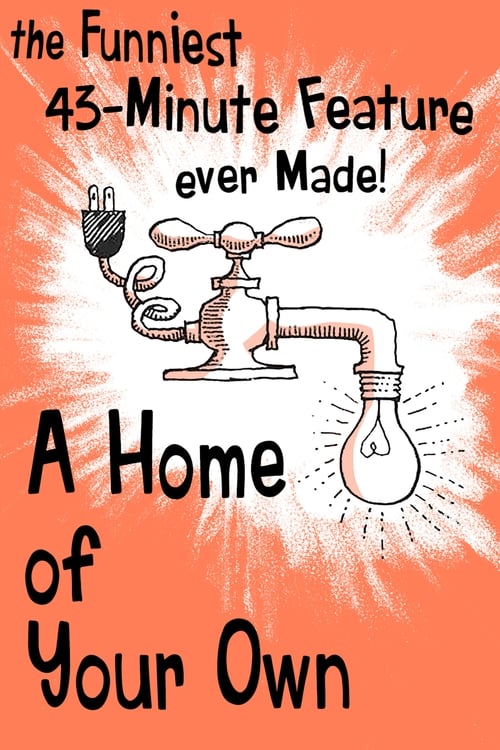
A Home of Your Own
1964
No user ratings available yet
Representation score: 1.4 out of 10

Representation Score
Minimal
1964
Director
Peter Graham Scott
Runtime
91 minutes
Average Rating
No ratings yetNew Showbiz Analysis
Father Came Too! functions as a conventional mid-century domestic comedy. The narrative structure reinforces traditional familial hierarchies and social norms rather than challenging them. It relies heavily on established genre clichés of the era. The film lacks complexity in its portrayal of multiple identities, focusing instead on a narrow, middle-class domestic struggle. The central conflict is resolved through patriarchal involvement, which limits the progressive potential of the female protagonist's journey. Overall, the production offers very little in the way of diverse representation, adhering strictly to the demographic and social standards of 1964.
Category Breakdown
The film centers on a traditional marriage and the interference of a patriarchal figure. There is no evidence of LGBTQ+ identities or critiques of heteronormativity.
Juliet attempts to assert control by seeking independence, but the plot relies on patriarchal intervention to resolve domestic issues. The character dynamics lean toward traditional mid-century gender roles.
The story focuses on a white, middle-class struggle regarding property and renovation. There is no indication of a diverse cast or non-Anglo-Saxon characters.
The narrative operates within a framework of traditional Western values and familial cohesion. It emphasizes established social hierarchies rather than questioning Western institutions.
No visible or invisible disabilities are mentioned or central to the character arcs.
Present on Screen
Limited or Absent
Official Synopsis
When Dexter Munro and his new wife Juliet get married, they decide to escape Juliet's meddling father by buying a rundown cottage and doing it up themselves. But when the cottage proves to be more ramshackle than they thought, and the scale of the repairs needed far out of their budget, the newlyweds are forced into calling on Juliet's father after all. Before long he's employed incompetent builder Josh Wicks, and the situation goes from bad to worse.
1964
1958
1946
1948
1959

2006

1957
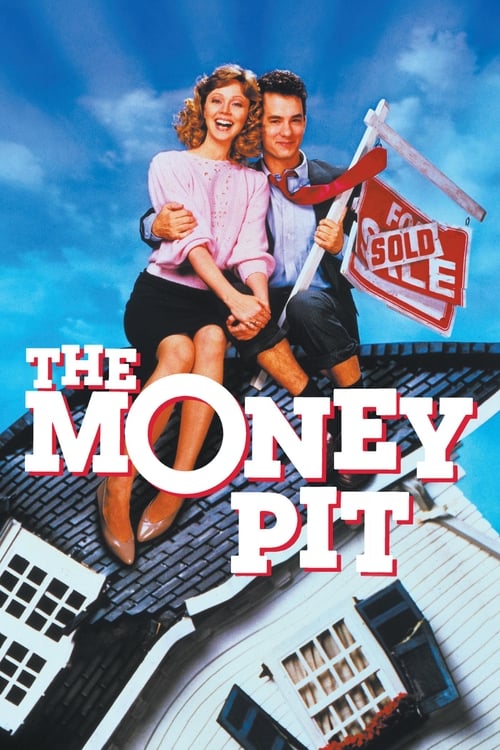
1986
No reviews yet. Be the first to share your thoughts on this movie!
Use the rating form above to leave a star rating and optional review.