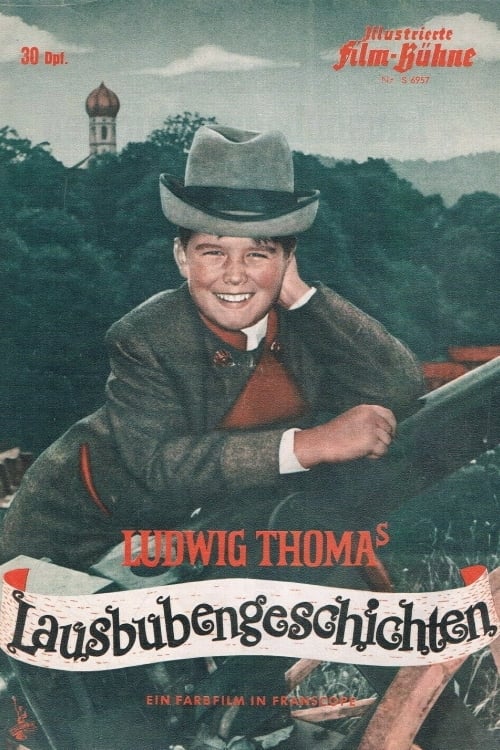
Lausbubengeschichten
1964
No user ratings available yet
Representation score: 1.4 out of 10

Representation Score
Minimal
1966
Director
Werner Jacobs
Runtime
88 minutes
Average Rating
No ratings yetNew Showbiz Analysis
Onkel Filser is a quintessential product of its era, functioning as a conservative period piece. The narrative structure prioritizes traditional social hierarchies and demographic homogeneity, offering little room for multi-layered depth. The film reinforces established 1960s German social and gender norms rather than challenging them. It operates within a framework of strict institutional discipline and traditional familial roles. Ultimately, the production lacks the intentionality required to disrupt conventional clichés, serving instead as a character study of childhood mischief within a very narrow social lens.
Category Breakdown
The film adheres to the social structures of the 1960s, where everyone is assumed to be straight or cisgender. There is no presence of non-binary or LGBTQ+ identities.
Male characters hold positions of authority and instruction, while females are mostly confined to domestic or nurturing roles. The film reinforces the gender hierarchies of the mid-20th century.
The cast is primarily white and German, reflecting the demographics of the time. There is no evidence of diverse ethnic backgrounds.
The narrative emphasizes traditional Western values, such as parental authority and institutional discipline. It maintains a conventional moral compass typical of mid-century literature.
There are no visible or invisible disabilities portrayed. The focus remains on the behavioral antics of the central child protagonist.
Present on Screen
Limited or Absent
1964
1967
1971

1970
1964
1972
1964
1956
No reviews yet. Be the first to share your thoughts on this movie!
Use the rating form above to leave a star rating and optional review.