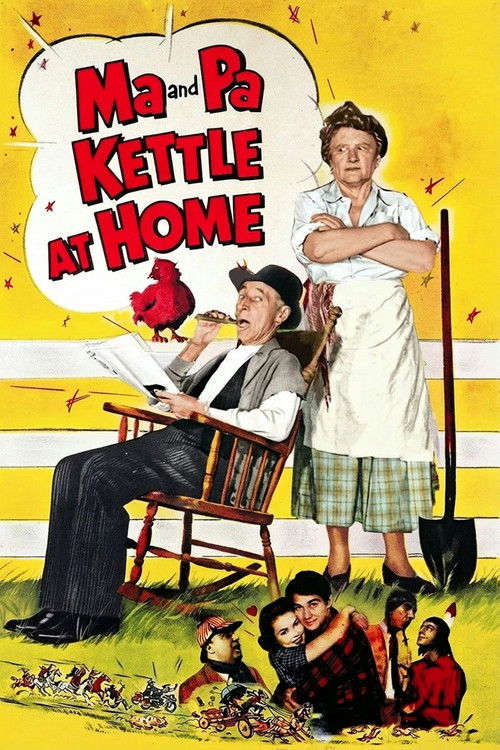
Ma and Pa Kettle at Home
1954
No user ratings available yet
Diversity score: 1.4 out of 10

1949
Director
Charles Lamont
Runtime
76 minutes
Average Rating
No ratings yetSynopsis
The Kettles and their fifteen children are about to be evicted from their rundown rustic home when Pa wins the grand prize by coming up with a new tobacco slogan. Birdie Hicks is jealous of the family's new wealth, which includes a completely automated modern home, and accuses Pa of stealing the slogan. Reporter Kim Parker proves Birdie wrong and marries Tom Kettle.
Overall Score
Minimal
Category Breakdown
LGBTQ+ Representation
The film lacks LGBTQ+ characters or non-cisnormative identities. The social framework remains entirely heteronormative, centering on the traditional marital unit of Ma and Pa Kettle.
Gender Representation
Ma Kettle displays domestic agency as a pragmatic stabilizer, yet this role remains confined to the household. Pa Kettle’s bumbling incompetence provides comedy without disrupting traditional patriarchal structures.
Racial & Ethnic Diversity
The cast and setting feature a homogeneous white demographic. There is no evidence of racial blending or the inclusion of characters from diverse ethnic backgrounds.
Religious & Cultural Diversity
The narrative celebrates traditional Western social units and the sanctity of marriage. It focuses on domestic stability and the integration of modern technology into a rural setting.
Disability Representation
No visible or invisible disabilities are portrayed. Characters are defined by physical slapstick and comedic eccentricity rather than lived experiences of impairment or neurodivergence.
Strengths
Areas for Improvement
AI Analysis
Ma and Pa Kettle is a quintessential mid-century domestic comedy that functions through rural archetypes. It adheres strictly to the social hierarchies and demographic norms of 1949, reinforcing the era's prevailing cultural status quo. The film relies on a homogeneous white cast and a heteronormative social framework. While Ma Kettle provides a stabilizing force, her agency is limited to the domestic sphere, maintaining traditional gender divisions. Ultimately, the production lacks intersectional complexity. It focuses on the friction between pastoral lifestyles and modern society without engaging in systemic critique or diverse representation.
1954
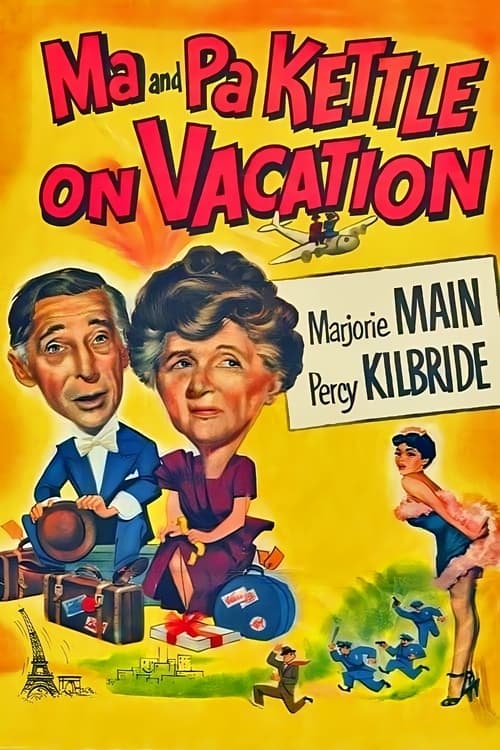
1953
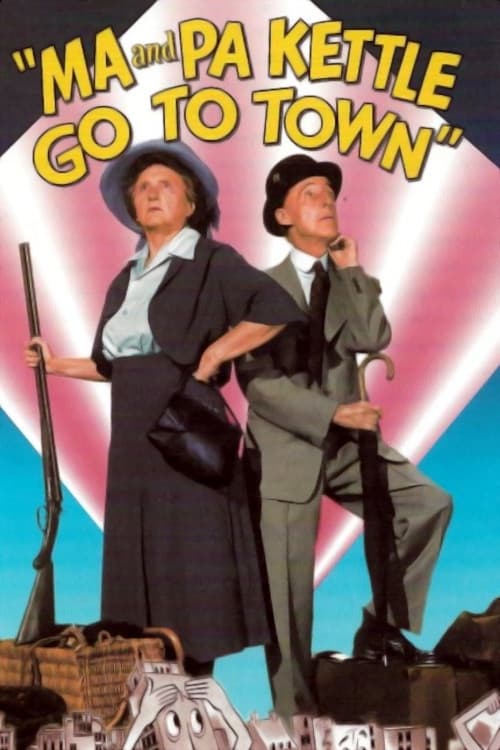
1950
1935
1935
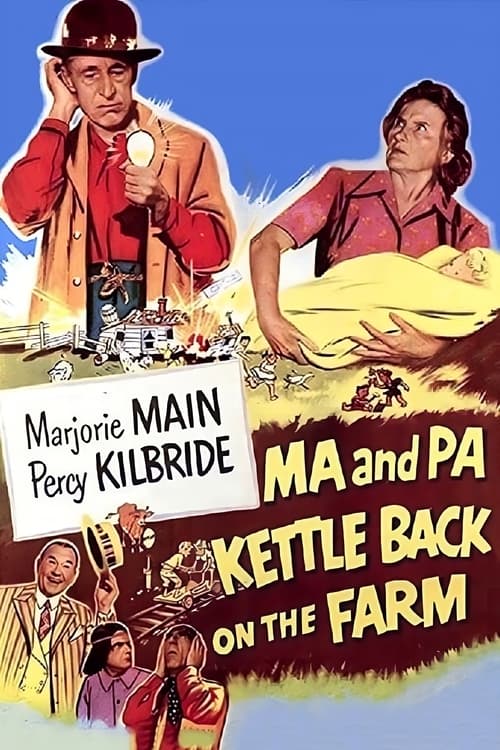
1951
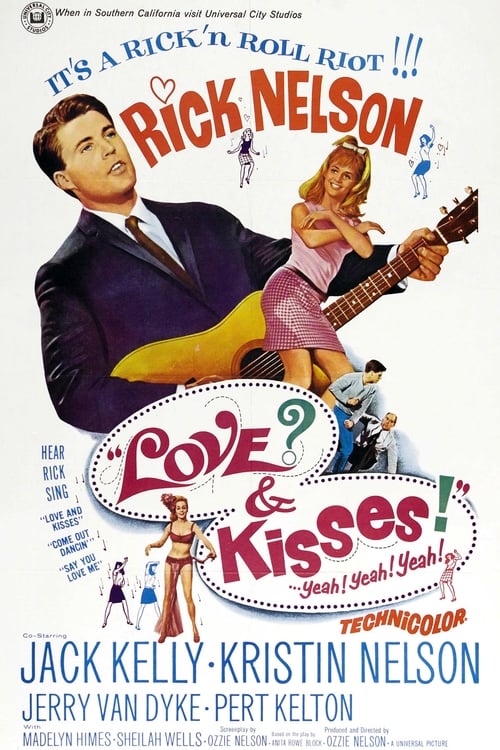
1965
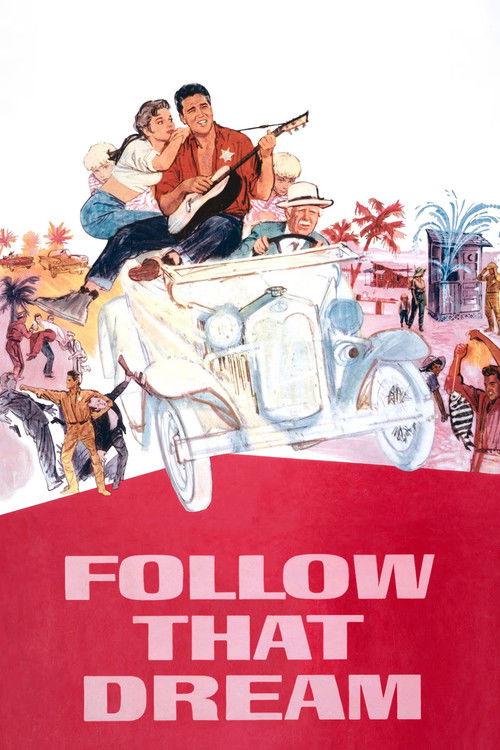
1962
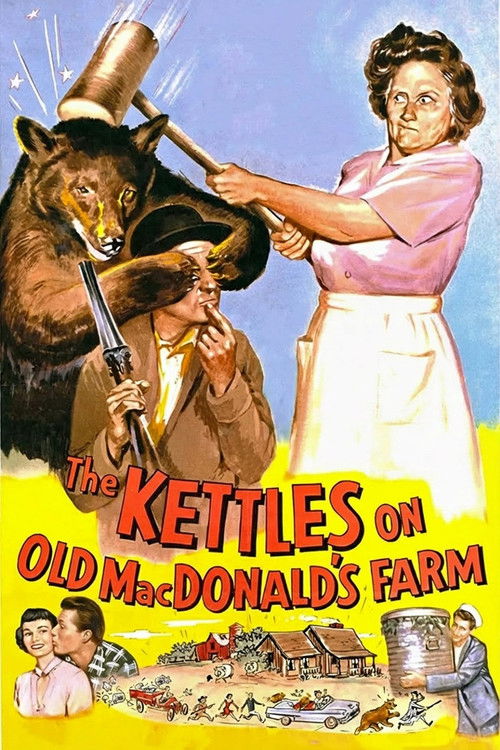
1957
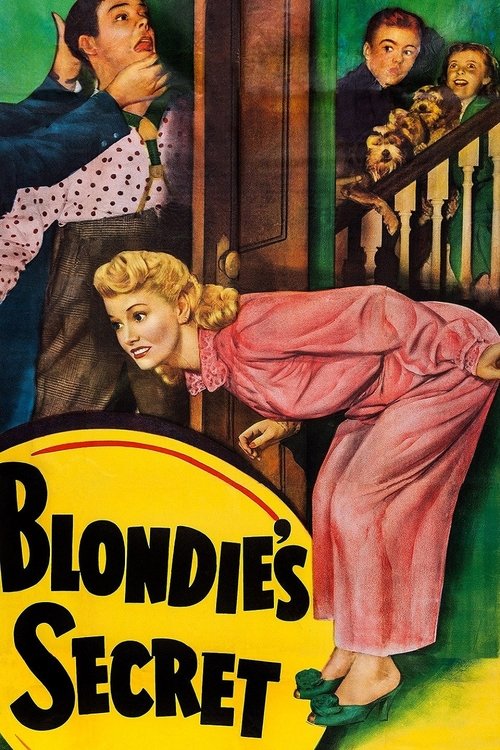
1948
1947
1946
No reviews yet. Be the first to share your thoughts on this movie!
Use the rating form above to leave a star rating and optional review.