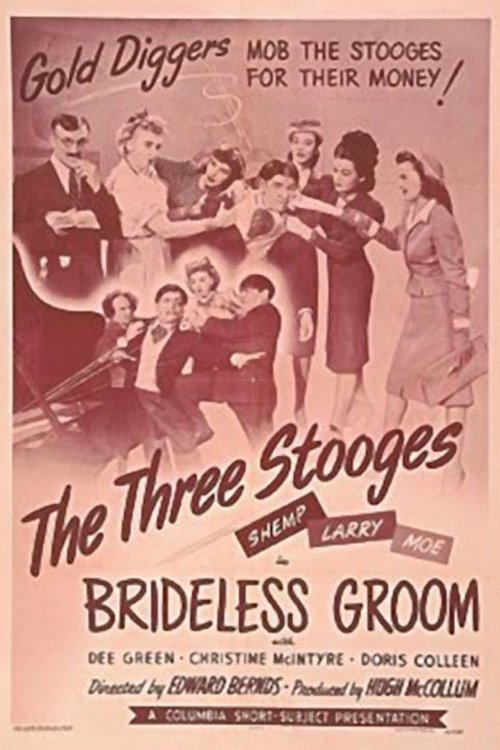
Brideless Groom
1947
No user ratings available yet
Representation score: 2.2 out of 10
Representation Score
Minimal
1952
Director
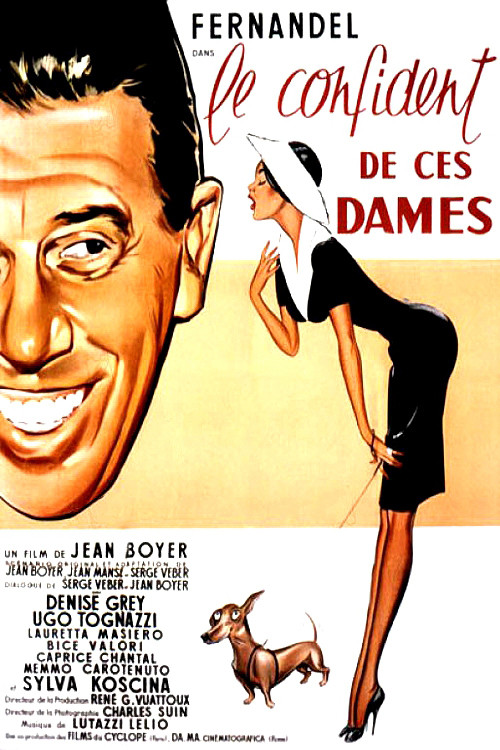
Jean Boyer
Runtime
94 minutes
Average Rating
No ratings yetNew Showbiz Analysis
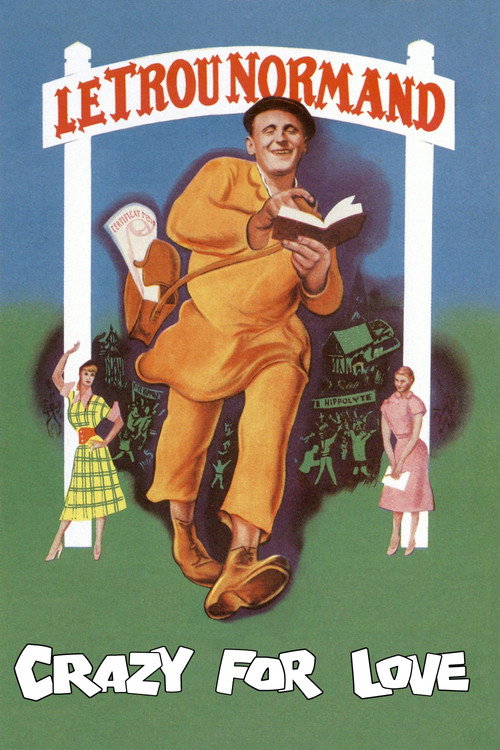
Crazy for Love is a classic mid-century French comedy that closely follows the social norms of 1952. The film is designed as a light-hearted romantic escape, emphasizing situational humor and traditional storylines rather than social critique. The production does not intentionally address multiple layers of identity or disrupt traditional hierarchies. It reflects the demographic uniformity and narrow narrative focus typical of its era. Overall, the film accurately captures its time period but offers little in terms of diverse representation or systemic critique.
Category Breakdown
The film follows a standard framework that assumes everyone is straight and cisgender. There are no characters with non-conforming gender identities or same-sex relationships.
A female character leads the romantic storyline, but the film upholds traditional gender roles. Her influence is limited to romantic situations rather than addressing broader societal issues.
The cast mainly consists of actors representing a single demographic, reflecting the Parisian population of the 1950s. There is no indication of diverse racial or ethnic backgrounds.
The story focuses on escapism and traditional social structures without engaging in ideological critiques. It does not explore anti-capitalist or progressive secular ideas.
None of the characters have visible or hidden disabilities. Disability is not used as a theme or tool for character development.
Present on Screen
Limited or Absent
Official Synopsis
To inherit his uncle's hotel and restaurant, a naive and simple man must pass his primary school exam.
1947
1980
1952

1978
1917
1934
1959
1940
No reviews yet. Be the first to share your thoughts on this movie!
Use the rating form above to leave a star rating and optional review.