So You Want to Be a Plumber
1951
No user ratings available yet
Representation score: 1.3 out of 10
No Poster Available
Representation Score
Minimal
1948
ApprovedDirector
Richard L. Bare
Runtime
11 minutes
Average Rating
No ratings yetNew Showbiz Analysis
This 1948 comedic short is a product of the mid-century studio system, prioritizing conventional narrative structures over social critique. The film follows the Joe McDoakes archetype, focusing on an individualistic struggle against domestic and bureaucratic hurdles. The production lacks depth in representing multiple aspects of identity, reflecting the era's standard casting and thematic limitations. It reinforces traditional Western ideals of property and stability rather than challenging them. Ultimately, the film serves as a period-typical comedy that avoids engaging with social hierarchies or diverse identities.
Category Breakdown
The film does not include any characters with non-straight or non-cisgender identities. It adheres to the assuming gender matches what was assigned at birth and straight-centered standards typical of its time.
The story focuses on a male protagonist dealing with a domestic crisis. It uses traditional gendered humor without challenging existing hierarchies.
The production reflects the homogeneous casting practices of the late 1940s. There is no indication of a non-white majority cast or diverse ethnic representation.
The narrative emphasizes traditional Western values through the pursuit of homeownership. It presents the American Dream as a central, albeit comedic, theme.
There is no evidence of characters with visible or invisible disabilities. The focus remains strictly on the protagonist's domestic struggle.
Present on Screen
Limited or Absent
Official Synopsis
In this comedic short, Joe McDoakes is evicted from his apartment and decides to build his own home. As the project progresses, his dream house turns into a nightmare.
1951
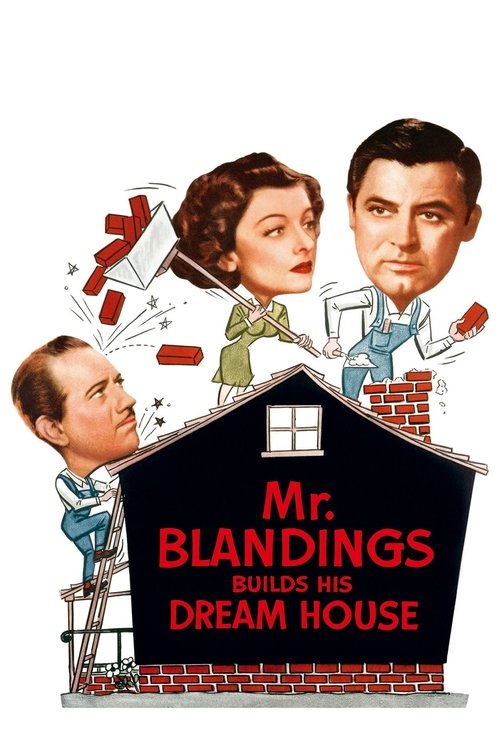
1948
1948
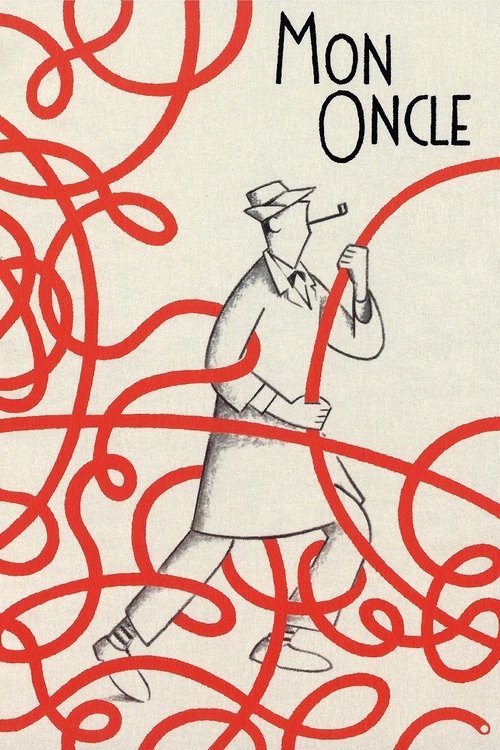
1958
1946
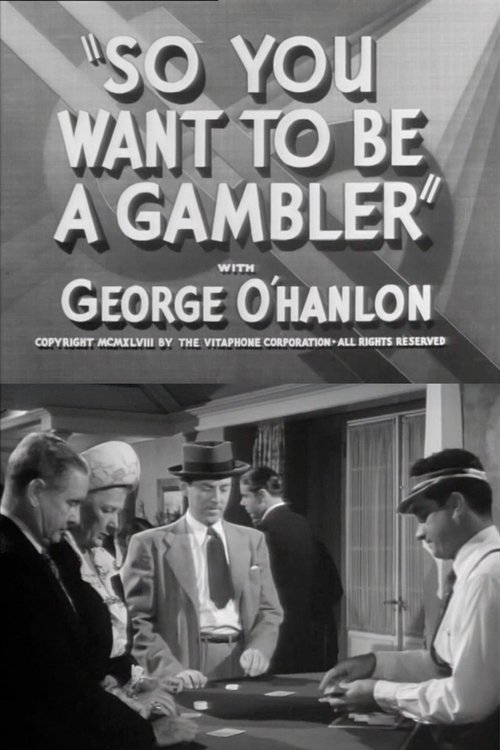
1948
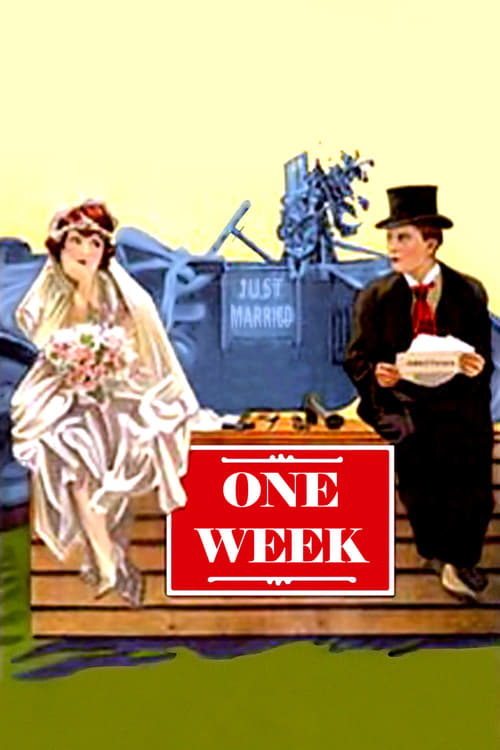
1920
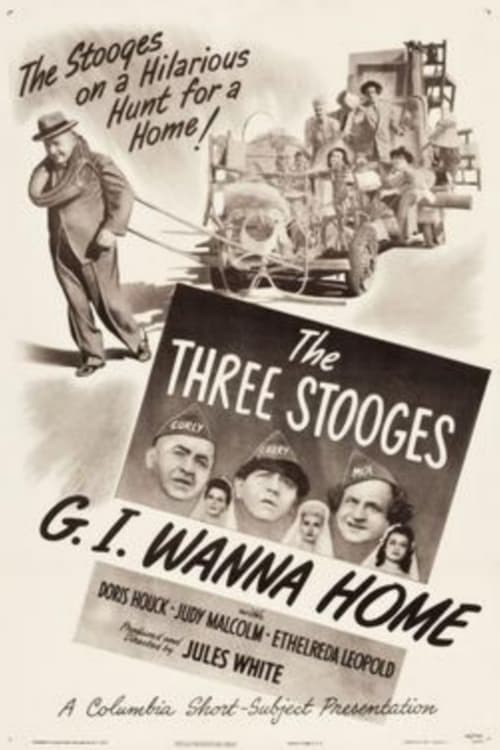
1946
No reviews yet. Be the first to share your thoughts on this movie!
Use the rating form above to leave a star rating and optional review.