
Souls for Sale
1923
No user ratings available yet
Representation score: 3.2 out of 10
Representation Score
Limited
1923
PassedDirector
John McDermott
Runtime
57 minutes
Average Rating
No ratings yetNew Showbiz Analysis
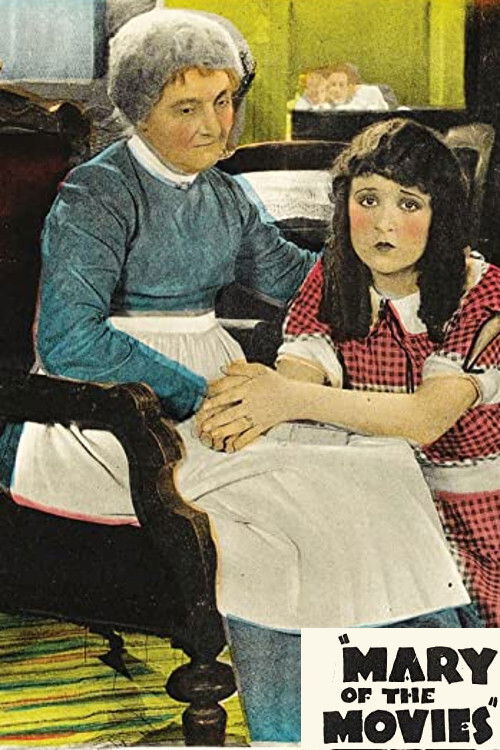
Mary of the Movies is a traditional melodrama centered around a woman's struggle to support her family. Mary shows initiative by seeking work in Hollywood, but her character development is tied to traditional gender roles and clichés. The film reflects the era's limited complexity in representation. The casting and narrative structure are uniform, emphasizing Western social norms and the sanctity of the nuclear family without challenging broader societal structures. Overall, the film adheres to the conventions of its time, using medical crises as plot devices without offering meaningful representation of disability or diverse cultural identities.
Category Breakdown
The film doesn't show any non-straight or non-cisgender identities or same-sex relationships. It follows a traditional love story format from the silent era.
Mary takes action to help her brother, showing strength and initiative. However, her actions are tied to a traditional damsel-in-distress storyline focused on helping a male relative.
The movie seems to follow the typical casting practices of 1923 Hollywood, which were not diverse. There are no actors representing different races or ethnicities.
The story highlights Western values like the importance of the nuclear family and the duty of siblings. The Hollywood setting is used to showcase traditional American ideals.
The brother's medical condition drives the plot, but his illness is just a plot device. The film doesn't explore the impact of disability on the character or give it a deeper look.
Present on Screen
Limited or Absent
Official Synopsis
Mary's kid brother needs an operation and, in order to pay for it, Mary goes to a Hollywood studio and applies for a job as an actress. Mary is given a job as a waitress in the commissary, and gets to meet 40 actors, actresses and directors, none of whom tip big enough to enable Mary to earn enough money to pay for an operation. Will Mary become an actress and make some big money?
1923

1920
1932

1928
1933
1927
1919
1921
No reviews yet. Be the first to share your thoughts on this movie!
Use the rating form above to leave a star rating and optional review.