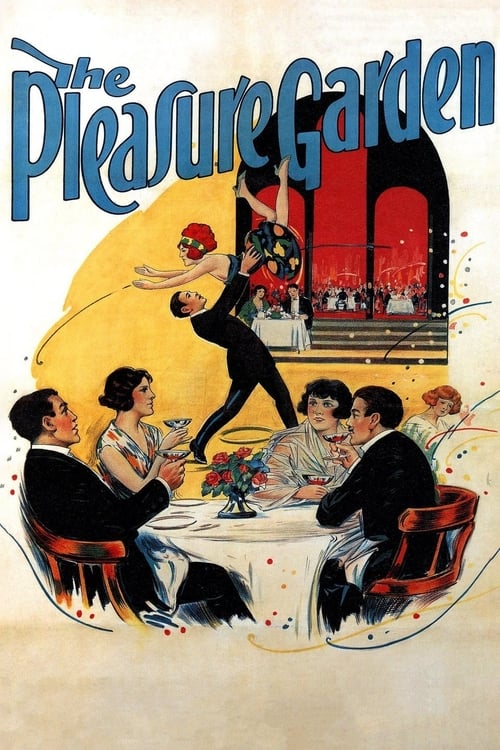
The Pleasure Garden
1925
No user ratings available yet
Representation score: 1.2 out of 10
Representation Score
Minimal
1919
PassedDirector
Wilfrid North
Runtime
60 minutes
Average Rating
No ratings yetNew Showbiz Analysis
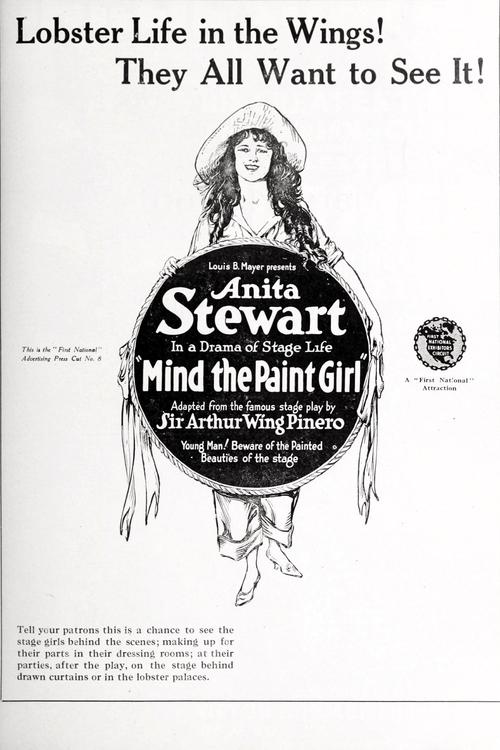
Mind the Paint Girl is a classic period melodrama that prioritizes romantic conflict and social mobility over social critique. While the protagonist, Lily, exercises autonomy by refusing to marry either suitor or the Lord, her power is largely confined to the realm of romantic manipulation. The film adheres to the era's standard clichés, utilizing a rags-to-riches trajectory and the 'accidental star' motif. It functions as a character study of individual choice within a rigid social framework rather than a disruption of that framework. Ultimately, the narrative reinforces the status quo of early 20th-century British society, focusing on class distinctions and traditional gendered expectations of the theatrical world.
Category Breakdown
The film follows a strictly heterosexual romantic structure. The plot centers on the protagonist's courtship by two male figures, offering no queer narratives.
Lily Upjohn displays a significant role in driving the story by rejecting marriage proposals from two powerful men. However, her character remains tied to the traditional chorus girl archetype.
The London setting and character archetypes suggest a homogeneous cast. The narrative appears to reflect the demographic norms of 1919 British cinema.
The story reinforces traditional Western social hierarchies, specifically between the aristocracy and the military. It focuses on individual romance rather than systemic critique.
There is no mention of characters with visible or invisible disabilities. The central paint incident serves as a comedic catalyst rather than a disability portrayal.
Present on Screen
Limited or Absent
Official Synopsis
When she is orphaned Lily Upjohn, from the London slums, becomes a chorus girl at the Pandora Theatre. During a performance a scene painter drops some paint near Lily and her screams prompt the show's composer to create a hit song "Mind the Paint Girl," which Lily makes an overnight sensation. She is courted by young officer Nicholas Jeyes and by Lord Francombe. Driving both men to near ruin she promises marriage to both but in the end choses neither.
1925

1920
1916
1927

1921

1923

1919

1933
No reviews yet. Be the first to share your thoughts on this movie!
Use the rating form above to leave a star rating and optional review.