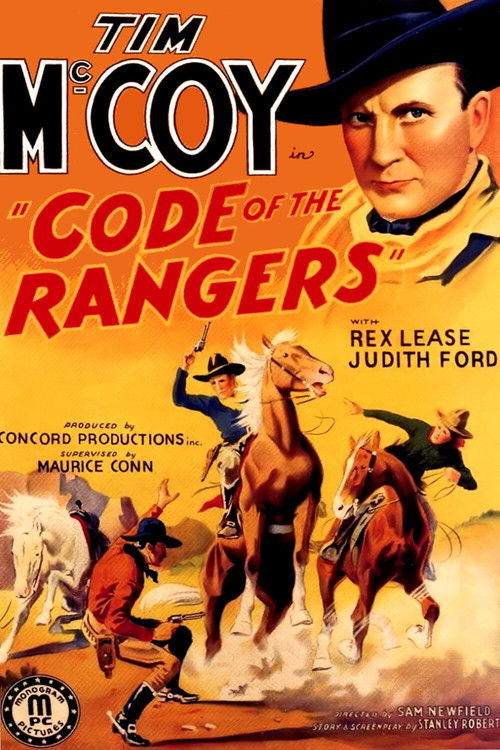
Code of the Rangers
1938
No user ratings available yet
Representation score: 0.6 out of 10
Representation Score
Minimal
1953
ApprovedDirector
George Archainbaud
Runtime
57 minutes
Average Rating
No ratings yetNew Showbiz Analysis
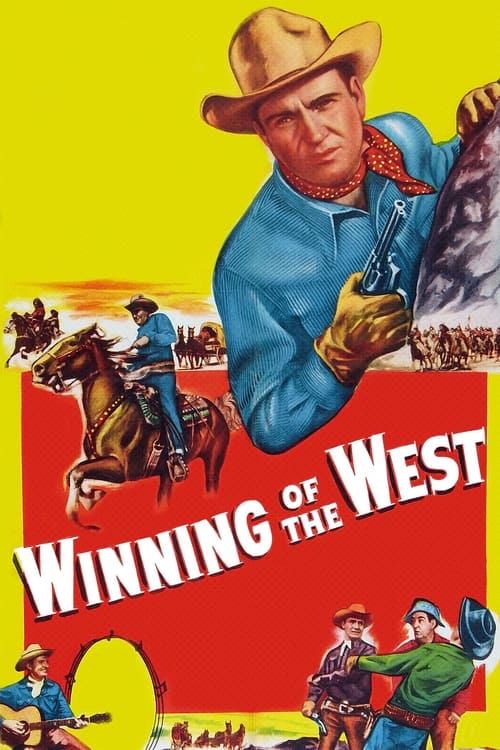
Winning of the West is a quintessential product of its era, prioritizing traditionalist social and narrative frameworks of the 1950s. The film relies on established genre conventions that emphasize singular, traditional morality and clear-cut heroism. Because the story focuses on the expansion of Western civilization through a masculine lens, it reinforces existing social hierarchies. The narrative structure favors conventional archetypes over any meaningful disruption of systemic norms. Ultimately, the film functions as a reinforcement of mid-century Hollywood standards, offering little in the way of diverse perspectives or cultural subversion.
Category Breakdown
The film does not include any LGBTQ+ characters or narratives, sticking to the traditional heterosexual norms of 1950s Western cinema.
The story revolves around Gene Autry's role as a territorial ranger, emphasizing masculine ability to act. Female characters are confined to traditional supporting or domestic roles.
The narrative likely focuses on Anglo-Saxon protagonists common to the era. There is no indication of diverse casting or non-white ability to act in the frontier setting.
The film upholds traditional values of law and order, reinforcing established institutions without offering moral relativism or social critique.
There is no mention of characters with visible or invisible disabilities within the film's premise.
Present on Screen
Limited or Absent
Official Synopsis
A singing territorial ranger (Gene Autry) spots his younger brother in an outlaw gang.
1938
1958
1943
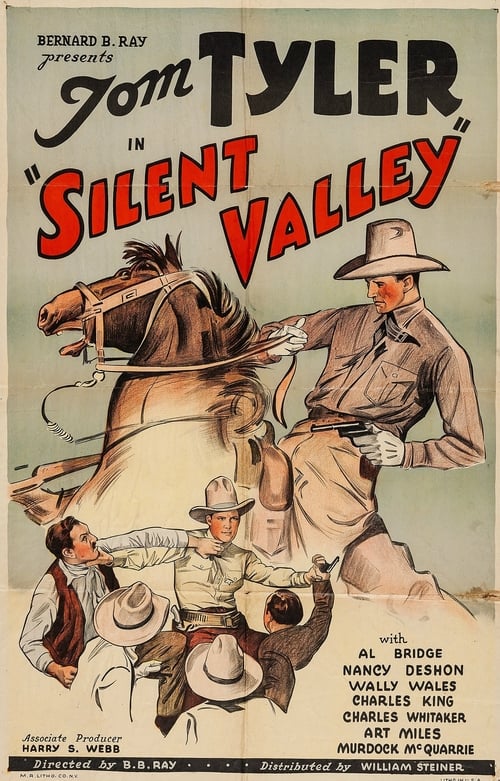
1935
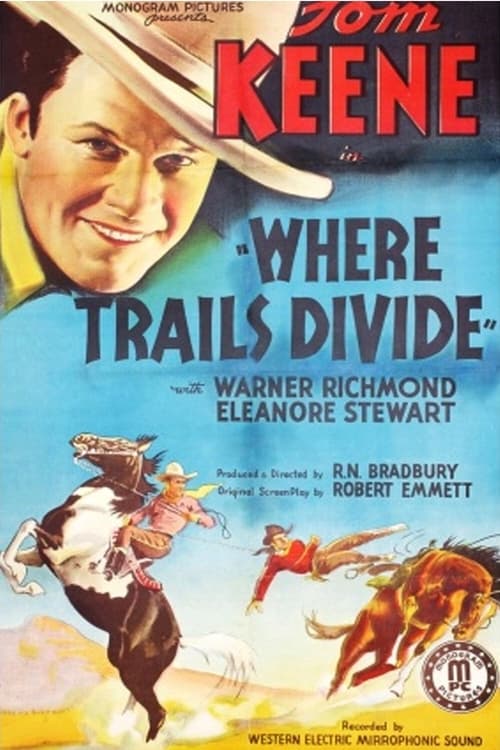
1937
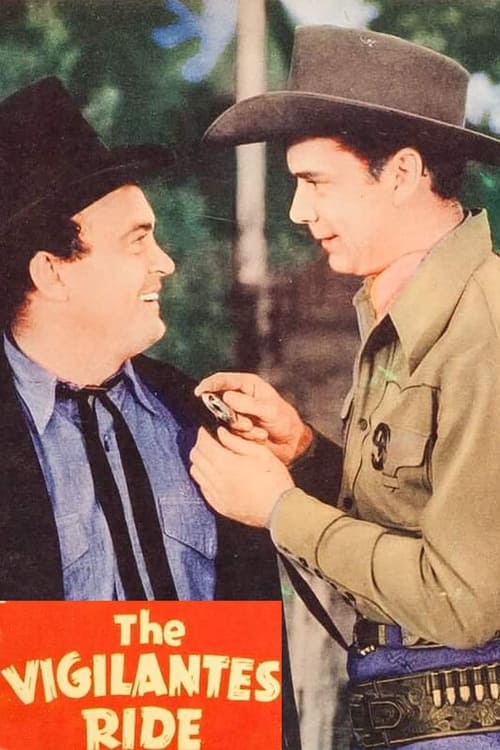
1943
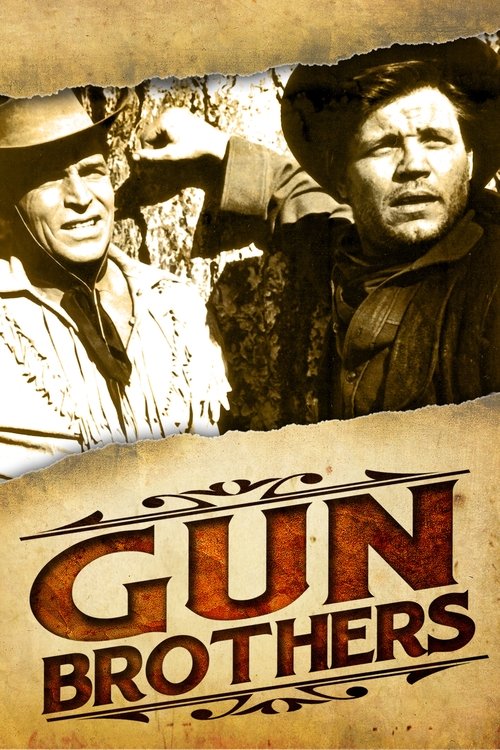
1956
1935
No reviews yet. Be the first to share your thoughts on this movie!
Use the rating form above to leave a star rating and optional review.