Ride Him, Cowboy
1932
No user ratings available yet
Representation score: 1.4 out of 10
Representation Score
Minimal
1931
PassedDirector
David Burton, Otto Brower
Runtime
92 minutes
Average Rating
No ratings yetNew Showbiz Analysis
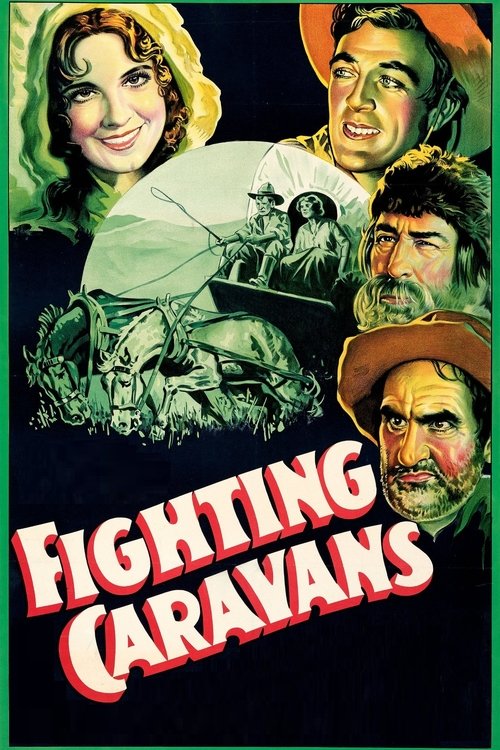
Fighting Caravans is a typical example of early 1930s Western cinema. It prioritizes traditional narrative arcs and reinforces the social hierarchies common to the era's filmmaking. The story centers on frontier expansion and conventional romantic deceptions. The film lacks depth in reflecting multiple aspects of identity, focusing almost exclusively on a Eurocentric perspective. While the female lead exerts influence over the plot, the underlying structure remains rooted in period-typical gender and racial dynamics. Ultimately, the film serves as a historical snapshot of a genre that favored homogeneous storytelling over diverse or subversive representation.
Category Breakdown
The film does not depict any non-cisgender identities or same-sex relationships.
Felice manipulates legal proceedings to help the protagonist, showing a significant role in the plot. However, the story relies on traditional romantic clichés.
The film focuses on a Eurocentric wagon train with limited non-white representation. A Frenchwoman is present, but there is a lack of significant diversity.
The story adheres to standard Western expansionist themes, supporting frontier institutions without offering cultural critique.
The film does not include any characters with physical, sensory, or neurodivergent disabilities.
Present on Screen
Limited or Absent
Official Synopsis
Clint Belmet is a bit of a firebrand and is sentenced to at least 30 days in jail, but his partners, Bill Jackson and Jim Bridger talk a sympathetic Frenchwoman named Felice into telling the bumbling, drunken marshal that Clint had married her the previous night. Clint is released so he can accompany Felice on the wagon train heading west to California.
1932
1940

1926
1930

1929
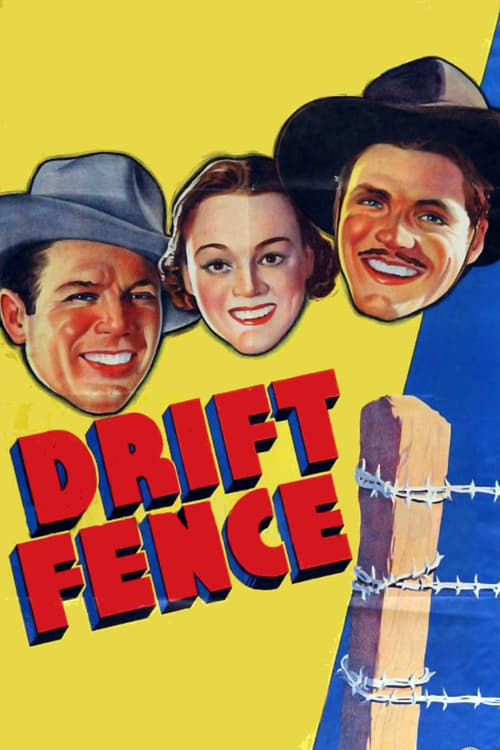
1936
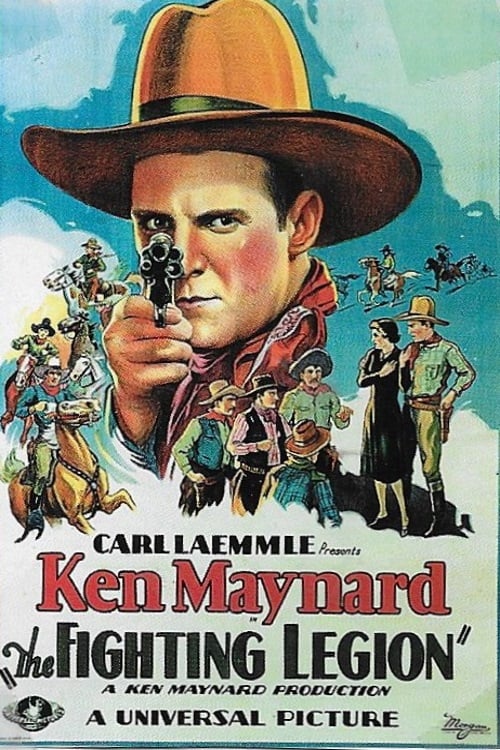
1930
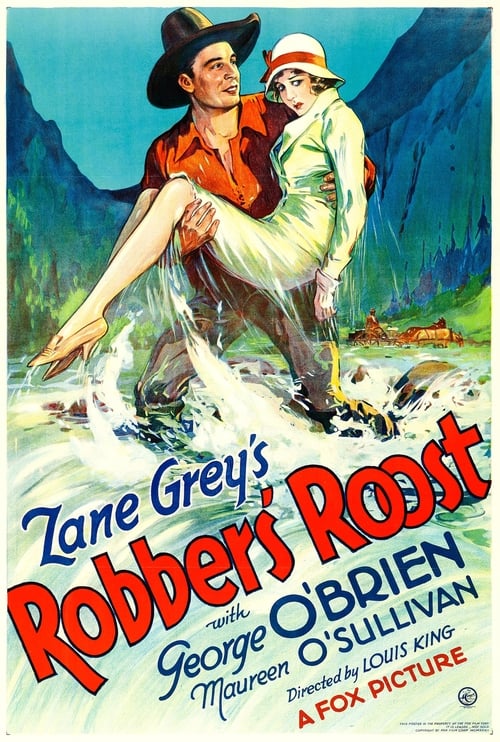
1932
No reviews yet. Be the first to share your thoughts on this movie!
Use the rating form above to leave a star rating and optional review.