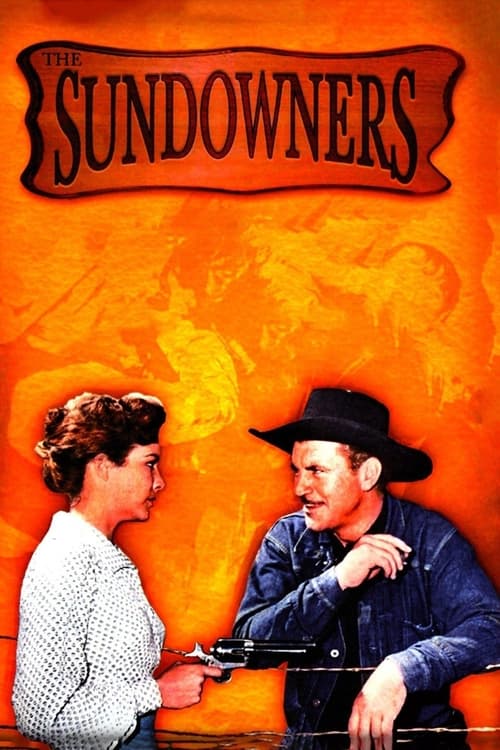
The Sundowners
1950
No user ratings available yet
Representation score: 0.4 out of 10
Representation Score
Minimal
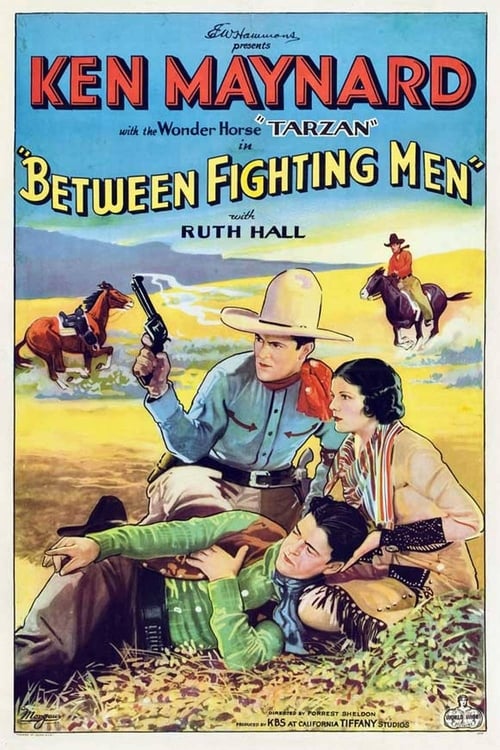
1932
PassedDirector
Forrest Sheldon
Runtime
59 minutes
Average Rating
No ratings yetNew Showbiz Analysis
Between Fighting Men is a product of the early sound era, adhering strictly to the conventional social and narrative hierarchies of 1932. The film prioritizes masculine conflict, specifically through fraternal rivalry and territorial disputes between cattlemen and sheepmen. The representation is limited by the genre's historical reliance on Anglo-Saxon protagonists and traditional romantic structures. Women are positioned within the domestic or romantic sphere, serving as motivations for male protagonists rather than independent agents. Ultimately, the film offers minimal disruption to established Western clichés, focusing on property rights and standard genre resolutions rather than social critique.
Category Breakdown
The story focuses on traditional romantic competition between brothers and does not include any characters with non-straight or non-cisgender identities.
Female characters mainly serve as objects of desire or passive catalysts for male action. The plot centers on male-driven conflicts and traditional gender roles.
The film likely adheres to the homogeneous casting norms of the early 1930s and lacks any significant representation of non-white characters.
The narrative uses classic Western clichés regarding land disputes and frontier justice, following standard industry trajectories without challenging established conventions.
There is no evidence of characters with physical or neurodivergent disabilities within the narrative.
Present on Screen
Limited or Absent
Official Synopsis
Ken not only has to fight with his brother Wally over the girls, he has to try and stop the conflict between the cattlemen and the sheepmen. It gets worse when Butch kills Judy's father.
1950
1960
1930
1937
1935
1926
1923
1934
No reviews yet. Be the first to share your thoughts on this movie!
Use the rating form above to leave a star rating and optional review.