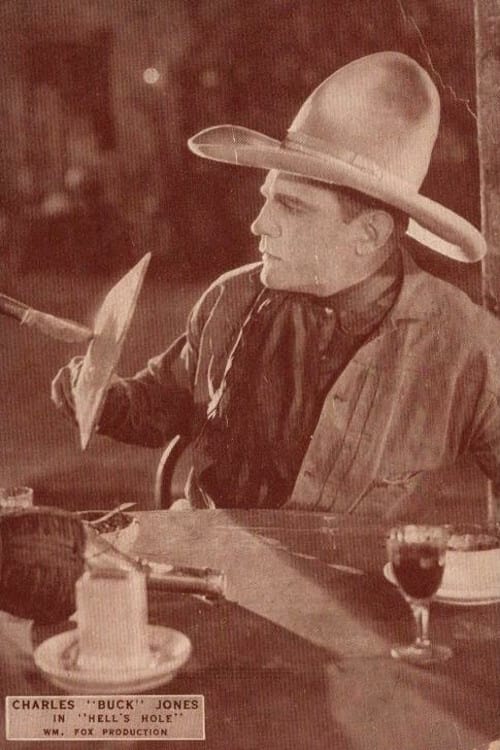
Hell's Hole
1923
No user ratings available yet
Diversity score: 1.9 out of 10

1929
NRDirector
William Wyler
Runtime
68 minutes
Average Rating
No ratings yetSynopsis
Three bank robbers on the run happen across a woman about to give birth in an abandoned covered wagon. Before she dies, she names the three bandits as her newborn son's godfathers. Remade as Three Godfathers (1936) and 3 Godfathers (1949).
Overall Score
Minimal
Category Breakdown
LGBTQ+ Representation
The film focuses entirely on traditional masculine archetypes of the American frontier. There is no evidence of queer subtext or non-cisnormative identities within the plot.
Gender Representation
The narrative centers on the male experience of survival and labor. A woman's role is brief and serves as a catalyst for the plot rather than a character with agency.
Racial & Ethnic Diversity
The cast lacks significant racial or ethnic breadth, reflecting the homogeneous cinematic norms of 1929. It operates within a standard, non-diverse Western framework.
Religious & Cultural Diversity
The story explores moral ambiguity through the lens of survivalism in a harsh landscape. It follows traditional frontier mythologies rather than offering a systemic critique.
Disability Representation
There is no discernible representation of physical, sensory, or neurodivergent disabilities. Characters are defined by their physical endurance and capacity for labor.
Strengths
Areas for Improvement
AI Analysis
Hell's Heroes is a quintessential 1929 Western that prioritizes the physical and moral trials of a homogeneous male group. The film functions as a study of traditional masculine endurance within a conventional social framework. While the interaction between outlaws and a newborn introduces moral complexity, this serves to bolster a classic redemption arc. The narrative does not seek to disrupt established social hierarchies or challenge the status quo of the American West. Ultimately, the film adheres to the era's standard tropes, lacking the intersectional complexity or diverse casting found in more progressive works.
1923
1949
1936
1960
1931
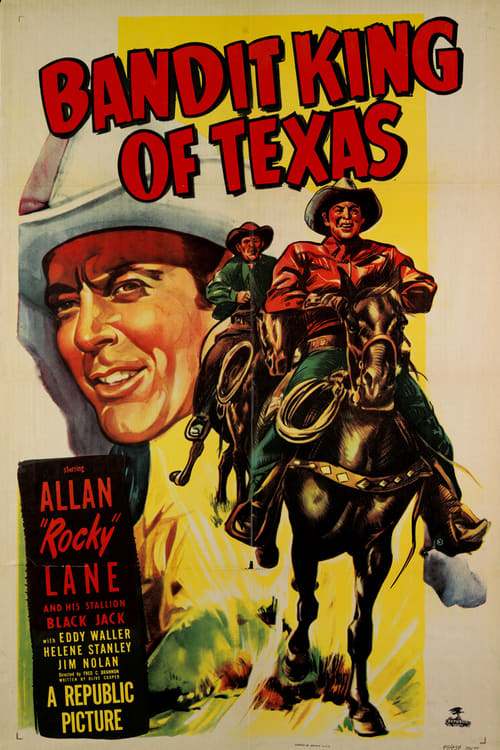
1949
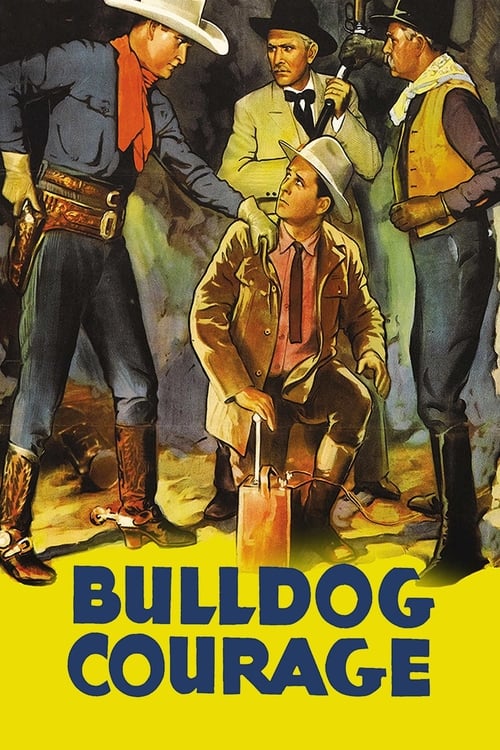
1935
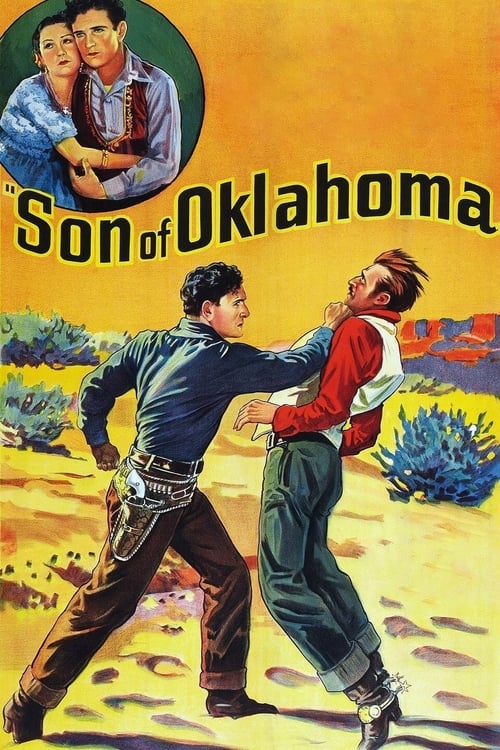
1932
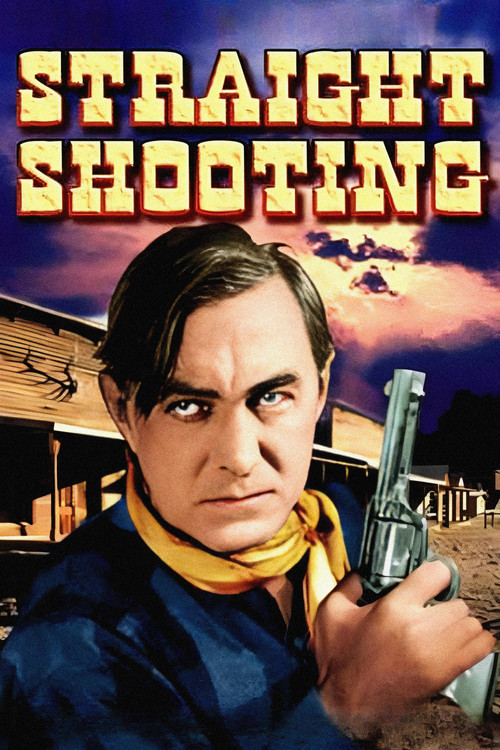
1917
1952
1939
1935
No reviews yet. Be the first to share your thoughts on this movie!
Use the rating form above to leave a star rating and optional review.