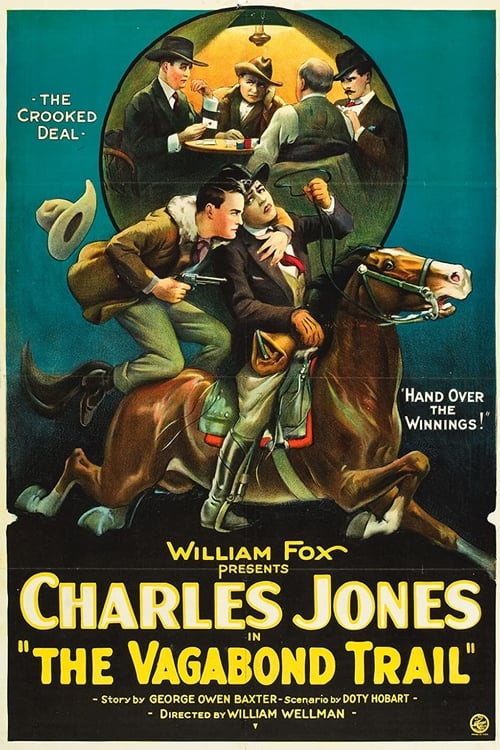
The Vagabond Trail
1924
No user ratings available yet
Representation score: 1.4 out of 10
Representation Score
Minimal
1923
PassedDirector
Emmett J. Flynn
Runtime
60 minutes
Average Rating
No ratings yetNew Showbiz Analysis
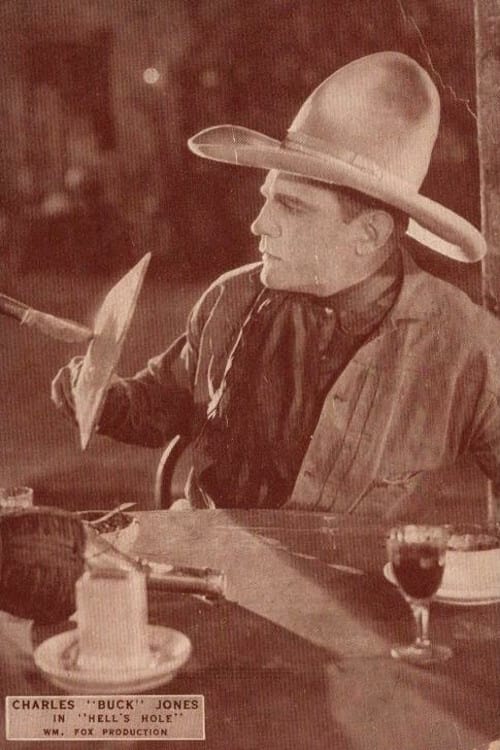
Hell's Hole is a conventional silent-era Western that adheres strictly to the genre clichés of 1923. The narrative is built around masculine archetypes, focusing on the personal grievances and revenge-driven actions of its male protagonists. The film lacks complexity in representing gender, race, or LGBTQ+ identities. It reinforces the social hierarchies and casting norms of its time rather than challenging them. Ultimately, the film serves as a standard genre exercise, prioritizing traditional Western storytelling over diverse or systemic social commentary.
Category Breakdown
The film does not depict any LGBTQ+ identities or same-sex relationships. The story centers on a traditional male friendship between Tod Musgrave and Del Hawkins.
The narrative focuses primarily on male characters, emphasizing masculine conflict and revenge. Women are not given roles that challenge traditional hierarchies.
The production follows the era's standard casting norms, favoring Anglo-Saxon actors. There is no evidence of a non-white majority cast or diverse ethnic representation.
The story relies on clichés of rugged individualism and anti-social rebellion. It lacks a critical look at institutions and offers no significant cultural depth beyond standard Western motifs.
There is no evidence of characters with visible or invisible disabilities. The narrative does not include representation for the disabled community.
Present on Screen
Limited or Absent
Official Synopsis
Cowboy Tod Musgrave and his pal Del Hawkins steal a ride on a train after being kicked out of a saloon. The conductor throws them off when he discovers they have no tickets, and the two men swear revenge.
1924

1939
1933

1968
1932
1920
1920
1925
No reviews yet. Be the first to share your thoughts on this movie!
Use the rating form above to leave a star rating and optional review.