
Gold Dreams
1962
No user ratings available yet
Diversity score: 3.2 out of 10
1963
Director
Wojciech Has
Runtime
97 minutes
Average Rating
No ratings yetSynopsis
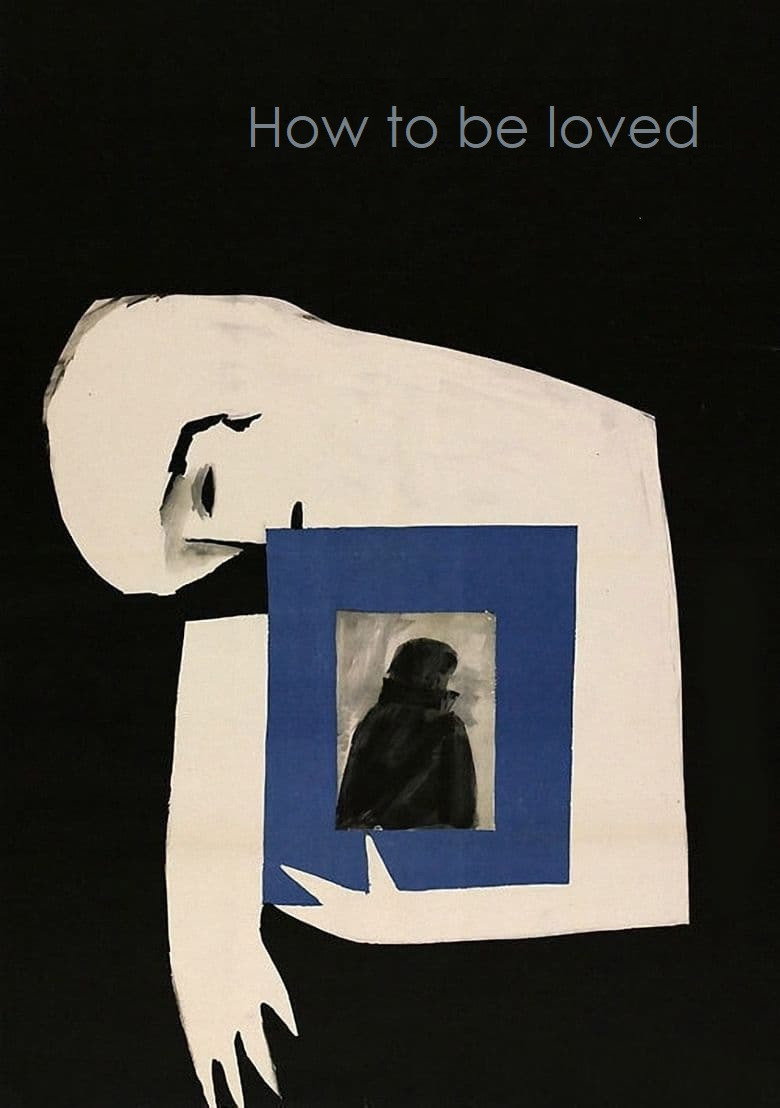
An actress travels from Warsaw to Paris and during the trip reflects on the last few years of her life. It goes back to the German occupation and her hiding of a fellow actor who has supposedly killed a collaborator.
Overall Score
Fair
Category Breakdown
LGBTQ+ Representation
The film focuses on the romantic and psychological complexities of a female protagonist. There is no explicit evidence of queer romantic arcs or non-cisnormative identities.
Gender Representation
The narrative centers on the agency and internal life of a female actress. This shifts the perspective away from traditional male-driven hero narratives common in mid-century cinema.
Racial & Ethnic Diversity
Set in Warsaw and Paris, the film reflects the demographic realities of mid-century Europe. The cast remains largely homogeneous without evidence of intentional racial blending.
Religious & Cultural Diversity
The story engages with systemic instability and moral ambiguity during the German occupation. It prioritizes existentialism and subjective truth over rigid institutional or religious laws.
Disability Representation
Surrealist elements mirror psychological fragmentation and trauma. However, these function as stylistic devices rather than explicit representations of disability.
Strengths
Areas for Improvement
AI Analysis
How to Be Loved is a deeply psychological work that prioritizes female subjectivity over traditional patriarchal structures. By centering an actress's internal reflections and her navigation of trauma, the film disrupts standard mid-century narrative norms. However, the film lacks intersectional breadth. It operates within a historically specific European context that results in a homogeneous cast, offering little in the way of racial or ethnic diversity. The narrative also lacks overt LGBTQ+ representation. Ultimately, the film's strength lies in its existential exploration of memory and identity. While it lacks demographic variety, its sophisticated approach to moral complexity and non-linear storytelling provides a unique cinematic experience.
1962
1961

1966
1972

1958

1985
1972

1962
1982

1985

2015

1956
No reviews yet. Be the first to share your thoughts on this movie!
Use the rating form above to leave a star rating and optional review.