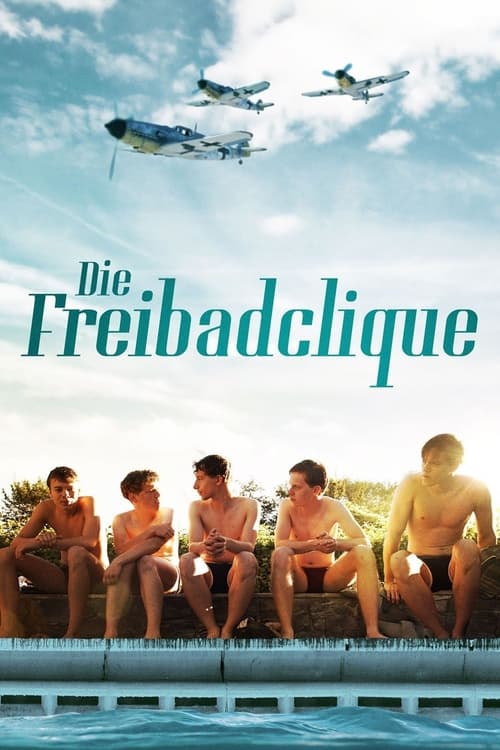
Summer of '44 - The Lost Generation
2017
No user ratings available yet
Diversity score: 5.0 out of 10

1968
Director
Jovan Živanović
Runtime
92 minutes
Average Rating
No ratings yetSynopsis
In an atmosphere of WWII, a village dyer wants to help his folks in their sorrow and distress by supplying them with the black paint, but there is not enough black paint for all of them, because death works faster than the dyer. His wife was raped, but the naive dyer believes in "straight" intentions of his godfather - black marketeer, and he gives away free canvas to the people. But in all their pain, people are unable to distinguish good intentions from the evil ones.
Overall Score
Fair
Category Breakdown
LGBTQ+ Representation
The film lacks explicit LGBTQ+ characters or non-heteronormative identities. The narrative focuses on wartime survival and village dynamics rather than queer identities.
Gender Representation
The story subverts the competent patriarch trope by showing a husband unable to protect his family. The wife's experience with wartime violence highlights individual vulnerability within a collapsing social order.
Racial & Ethnic Diversity
Set in a specific Yugoslav regional context, the film avoids idealized, homogeneous depictions of nationhood. It focuses on the messy, fragmented reality of local populations during WWII.
Religious & Cultural Diversity
The film offers a complex critique of traditional community structures and authority. It portrays figures like the godfather as sources of instability rather than pillars of virtue.
Disability Representation
There is no evidence regarding the portrayal of physical or neurodivergent disabilities in the narrative.
Strengths
Areas for Improvement
AI Analysis
The film serves as a grim critique of social cohesion and the breakdown of ethical frameworks. It avoids traditional heroic tropes, opting instead for a pessimistic realism that deconstructs institutional narratives. While the work excels at challenging moral certainty and institutional authority, it lacks specific representation for LGBTQ+ and disabled characters. The focus remains tightly bound to the immediate trauma of a wartime village. Ultimately, the film's strength lies in its subversion of social roles, presenting masculinity and community structures as ineffective or deceptive during systemic chaos.
2017
2010
2016
1988
1946
1966
1965
1969
1956
1989
2006
1982
No reviews yet. Be the first to share your thoughts on this movie!
Use the rating form above to leave a star rating and optional review.