
Record of a Tenement Gentleman
1947
No user ratings available yet
Representation score: 2.3 out of 10
Representation Score
Fair
1975
Director
Kon Ichikawa
Runtime
116 minutes
Average Rating
No ratings yetNew Showbiz Analysis
Kon Ichikawa’s satire offers a sophisticated critique of social structures and class pretension. By using a cat as a non-human observer, the film dismantles the perceived superiority of human institutions and the absurdity of performative Westernized manners. However, the film is limited demographically. It operates within a rigid historical framework that offers little room for diverse identities, resulting in low scores for gender, disability, and LGBTQ+ representation. Ultimately, the work prioritizes intellectual depth over modern inclusivity metrics, trading demographic breadth for a sharp critique of Meiji-era social decorum.
Category Breakdown
The film does not include any LGBTQ+ characters or explore non-straight relationships. The narrative stays within the traditional boundaries of the Meiji era.
The film reinforces traditional gender roles and patriarchal structures. Female characters are often portrayed through domestic or superficial roles, lacking the ability to challenge these societal norms.
The cast is ethnically uniform, reflecting the historical accuracy of Meiji-era Japan. The film avoids whitewashing by staying true to its specific cultural and temporal context.
The film effectively critiques the vanity and superficiality of the intellectual class during the Meiji era. It highlights the hollowness of modernization and the pretense of academic circles.
There is no meaningful representation of physical or neurodivergent disabilities. Characters are defined by social status and intellectual pretensions rather than by lived experiences of disability.
Present on Screen
Limited or Absent
Official Synopsis
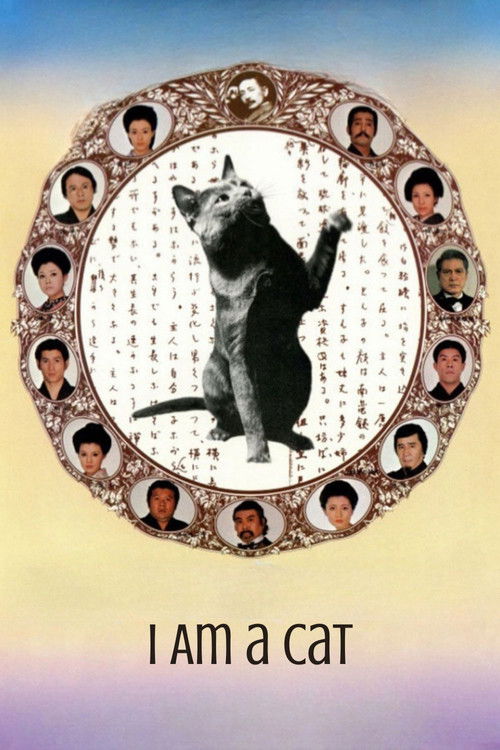
Nakadai is an English teacher at a local school. He’s put-upon like the patron figure of dozens of films and televisions shows. Viewers who are especially fans of Nakadai will appreciate how the actor comically rants about here. His home life is almost disastrous, with a ditzy (but attractive) wife, three young children, a loud school nearby that’s controlled by a corrupt businessman he loathes, and frequent visits from layabout friends. And the grey-furred, green-eyed cat!
1947
1993

1986

1960

1958

1962

1969

2015
No reviews yet. Be the first to share your thoughts on this movie!
Use the rating form above to leave a star rating and optional review.