Gu Gu, the Cat
2008
No user ratings available yet
Representation score: 8.2 out of 10
Representation Score
Minimal
2015
Director
Yoshihiro Fukagawa
Runtime
107 minutes
Average Rating
No ratings yetNew Showbiz Analysis
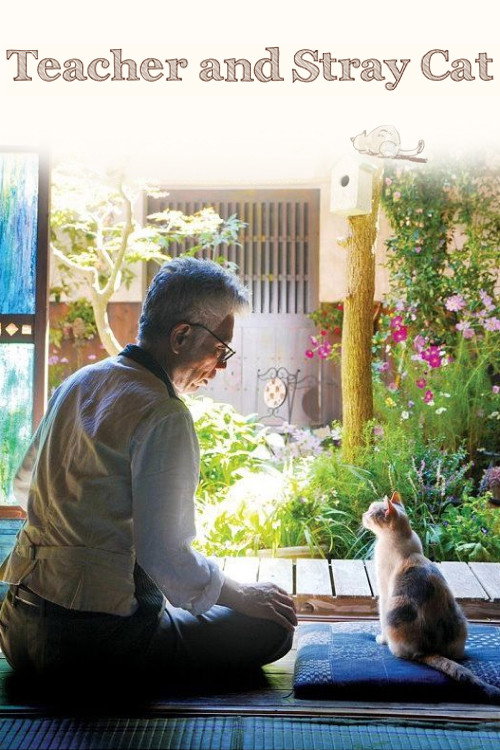
Teacher and Stray Cat is a meditative, character-driven drama that prioritizes emotional resonance over social subversion. It focuses on a male protagonist's journey from isolation to community reintegration within a specific rural Japanese context. The film adheres to traditional narrative structures, focusing on a male protagonist's journey from isolation to community reintegration. Because it operates within a localized demographic framework, it does not introduce multi-layered complexities or challenge established social hierarchies. Ultimately, the work is a conventional exploration of healing through a classical lens, emphasizing stability and community rather than progressive representation metrics.
Category Breakdown
The film centers on a protagonist's relationship with his deceased wife and a stray cat. It does not include characters with non-binary gender identities or challenge the assumption that everyone is straight or cisgender.
The story revolves around a male professor dealing with grief. His late wife serves as a catalyst for his personal growth, but she is primarily remembered rather than actively present in the current narrative.
Set in a rural Japanese village, the cast and setting are ethnically uniform. This reflects a localized reality rather than a diverse or multicultural setting.
The narrative explores spirituality through traditional rituals and an altar. It highlights community cohesion and local social ties rather than challenging broader social institutions.
The film does not focus on visible or invisible disabilities. Characters do not utilize neurodivergence or disability as a central narrative device.
Present on Screen
Limited or Absent
Official Synopsis
Following the death of his wife professor Kyoichi leads a solitary life by the sea. A stray cat called Mii, who was being fed by his wife, not only continues to drop by, but also seems to be visiting the altar Kyoichi has set up for his deceased wife. While uncomfortable with the cat and its visits, he nonetheless takes up a search when Mii goes missing. The endeavour connects him with the town's folk and reveals that he is not alone.
2008

2018

2017

1996

2008
2025

2026
2018
No reviews yet. Be the first to share your thoughts on this movie!
Use the rating form above to leave a star rating and optional review.