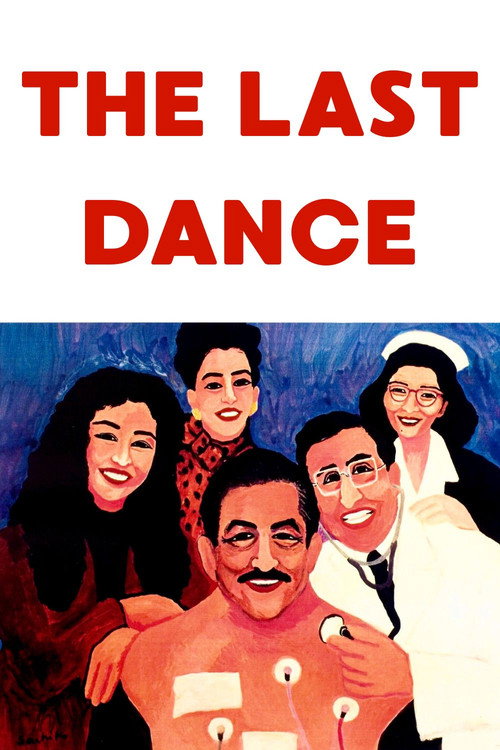
The Last Dance
1993
No user ratings available yet
Representation score: 4.5 out of 10
Representation Score
Limited
1993
Director
Akira Kurosawa
Runtime
134 minutes
Average Rating
No ratings yetNew Showbiz Analysis
Madadayo is a humanist masterpiece that prioritizes the dignity of individuals and traditional social roles. Kurosawa focuses on the moral weight of mentorship and the preservation of character in a changing postwar landscape. However, the film adheres to a conventional demographic framework. It does not engage with modern multi-layered identities or challenge established social hierarchies, remaining rooted in a classical, homogeneous social structure. Ultimately, the work excels in cinematic empathy and the celebration of the human spirit, even as it avoids contemporary explorations of identity politics or multi-ethnic dynamics.
Category Breakdown
The film does not include any LGBTQ+ characters or individuals with non-traditional gender identities. The story focuses solely on the mentor-disciple relationship.
The narrative centers around a male-dominated academic environment. Women play supporting roles but do not drive the main plot.
Set in postwar Japan, the film features a cast that is culturally uniform. It explores Japanese identity and traditional wisdom without addressing multi-ethnic dynamics.
The film critiques rapid modernization and Western influence through a traditional lens. It emphasizes humanistic values and the stability of traditional teacher-student relationships.
The story examines the physical decline associated with aging. It portrays the professor's frailty with dignity, highlighting life transitions as a respected part of the human experience.
Present on Screen
Limited or Absent
Official Synopsis
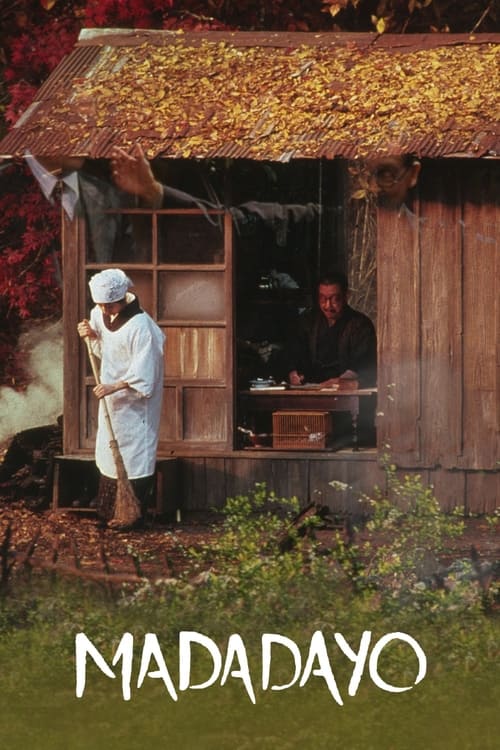
In postwar Tokyo, beloved writer-professor Hyakken Uchida retires and is buoyed through hardship by the fierce devotion of his former students, who honor him each year with a raucous “Not yet!” birthday toast. Told in warm, gently comic vignettes, Kurosawa’s farewell celebrates aging, friendship, and the sustaining ritual of teacher and pupils refusing to say goodbye.
1993
1960

1958
1991
2018
1947
1952
1936
No reviews yet. Be the first to share your thoughts on this movie!
Use the rating form above to leave a star rating and optional review.