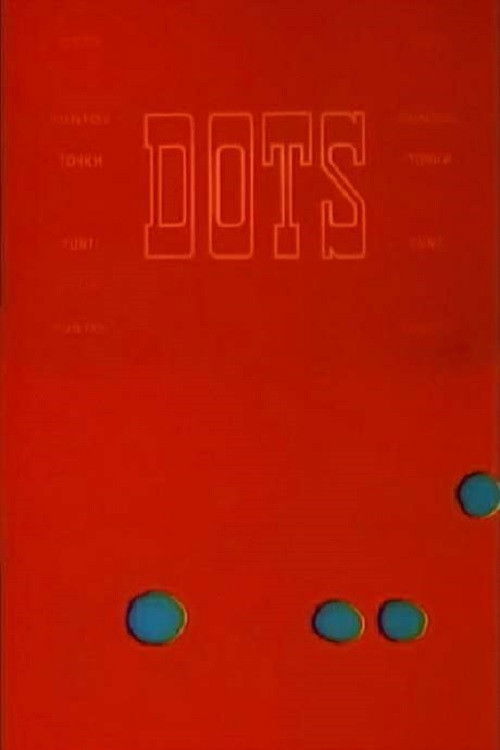
Dots
1940
No user ratings available yet
Representation score: 0.0 out of 10
Representation Score
Minimal
1940
Director
Norman McLaren
Runtime
2 minutes
Average Rating
No ratings yetNew Showbiz Analysis
Norman McLaren's *Loops* is a pioneering experimental animation that emphasizes technical innovation over human narrative. Using direct pen-and-ink drawings on film, McLaren creates a rhythmic study of kinetic energy without engaging in traditional storytelling. Since the work is entirely abstract and non-narrative, it lacks the characters, dialogue, or settings needed to explore social identity. It serves as a formalist exploration of sound and visuals, avoiding the typical clichés of conventional cinema. Ultimately, the film does not provide any insights into intersecting identities and focuses solely on rhythmic abstraction.
Category Breakdown
The film features abstract colored lines and shapes without any characters or interpersonal dynamics, making it impossible to represent LGBTQ identities.
Without sentient characters, the film cannot depict gender roles or social dynamics, focusing solely on visual abstraction.
As a purely abstract work, the film does not include human subjects and thus does not address racial identity or social structures.
The film lacks a socio-political framework and operates in a vacuum of pure abstraction, without cultural or systemic context.
With no characters or personified entities, the film cannot represent neurodivergence or physical disabilities.
Present on Screen
Limited or Absent
Official Synopsis
An experimental film in which both sound and visuals were created entirely by McLaren drawing directly upon the film with ordinary pen and ink. The titles are in eight languages. Rereleased with multilingual titles in 1949.
1940
1941
1939
1941

1942

1947
1959
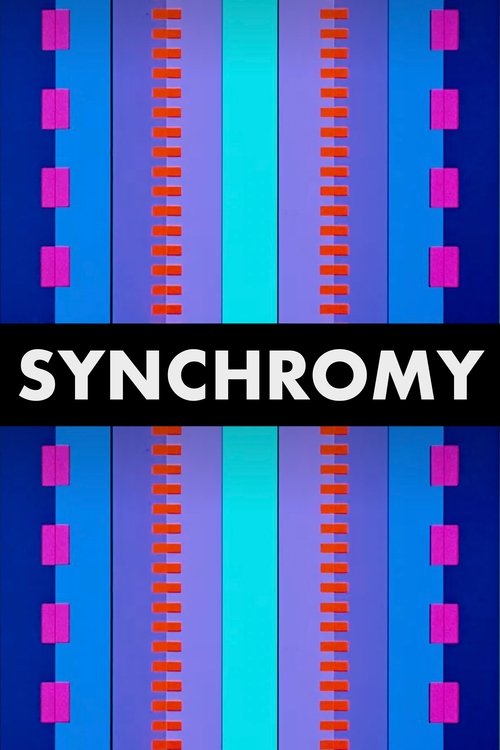
1971
No reviews yet. Be the first to share your thoughts on this movie!
Use the rating form above to leave a star rating and optional review.