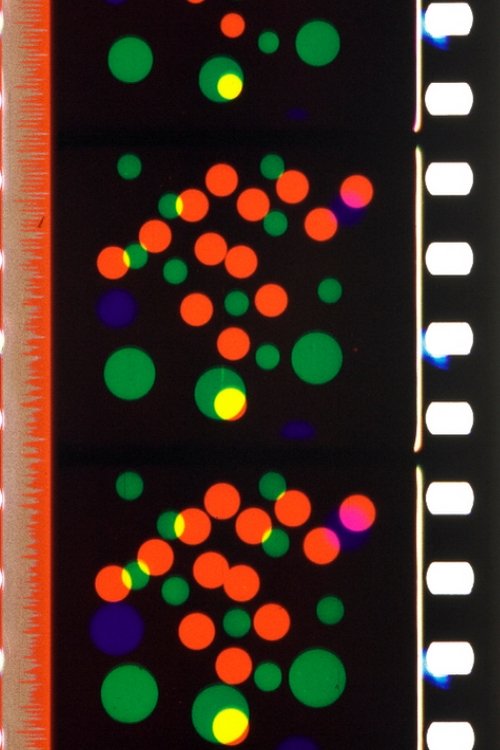
Circles
1933
No user ratings available yet
Diversity score: 0.0 out of 10
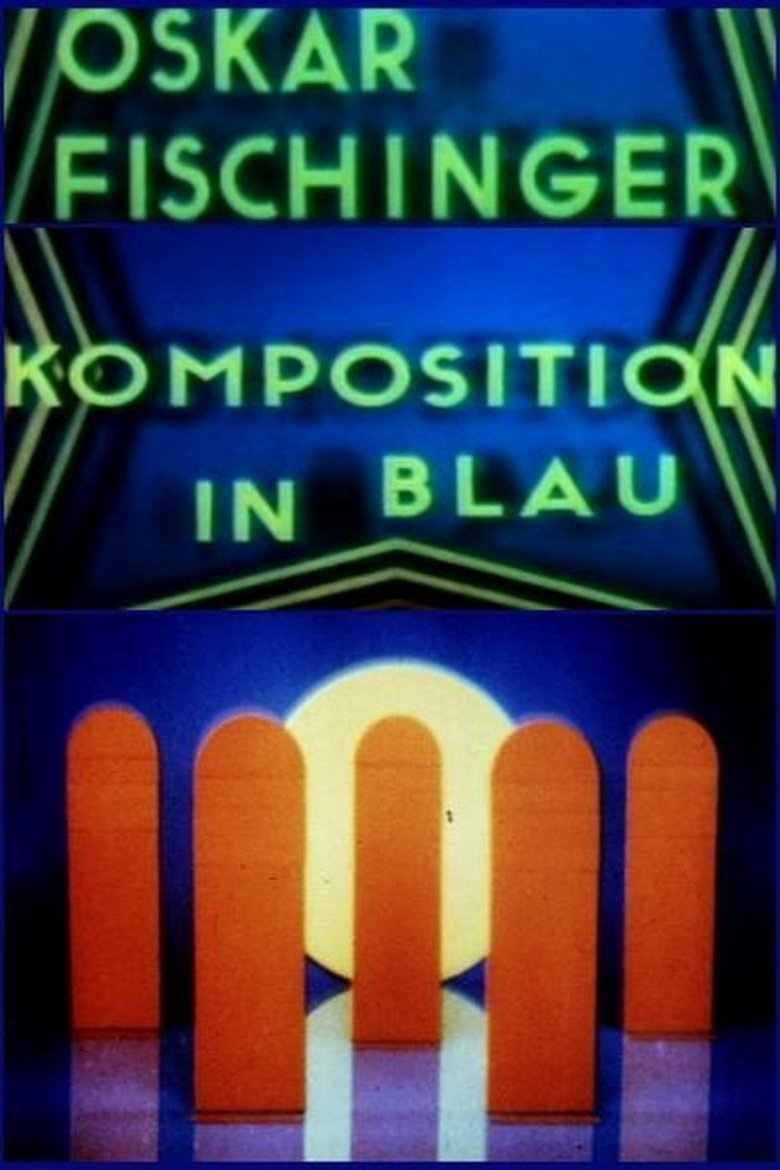
1935
Director
Oskar Fischinger
Runtime
4 minutes
Average Rating
No ratings yetSynopsis
An abstract film in which every motion of coloured shapes is in strict synchronization with music. Preserved by the Academy Film Archive in 2000.
Overall Score
Minimal
Category Breakdown
LGBTQ+ Representation
The film is entirely non-representational. It contains no characters or interpersonal dynamics, precluding any depiction of sexual orientation or gender identity.
Gender Representation
The narrative architecture is strictly non-human and non-anthropomorphic. There are no depictions of gendered roles or social dynamics to evaluate.
Racial & Ethnic Diversity
The film utilizes a purely geometric and color-based visual language. It does not engage with human ethnicity, race, or cultural identity.
Religious & Cultural Diversity
As an abstract exercise, the film does not engage with religious, political, or socioeconomic institutions. It operates in a vacuum of pure form.
Disability Representation
There are no sentient beings or characters depicted within the work. Consequently, there is no representation of physical or neurodivergent identities.
Strengths
Areas for Improvement
AI Analysis
Oskar Fischinger’s *Composition in Blue* is a seminal work of visual music that prioritizes aesthetic theory over the depiction of human identity. By utilizing absolute abstraction, the film eschews traditional narrative elements like characterization, dialogue, and setting. Because the work focuses on the synchronization of geometric shapes with Paul Hindemith’s score, it exists outside the standard frameworks of social representation. The film functions as a formalist exploration of rhythm and color rather than a vehicle for social storytelling. Ultimately, the film lacks the narrative infrastructure required to address intersectional representation or the subversion of social hierarchies. Its contribution lies in the evolution of visual language rather than engagement with cultural politics.
1933

1947

1938
1921
1940
1940
1923
1967

1924
1981
1936
1941
No reviews yet. Be the first to share your thoughts on this movie!
Use the rating form above to leave a star rating and optional review.