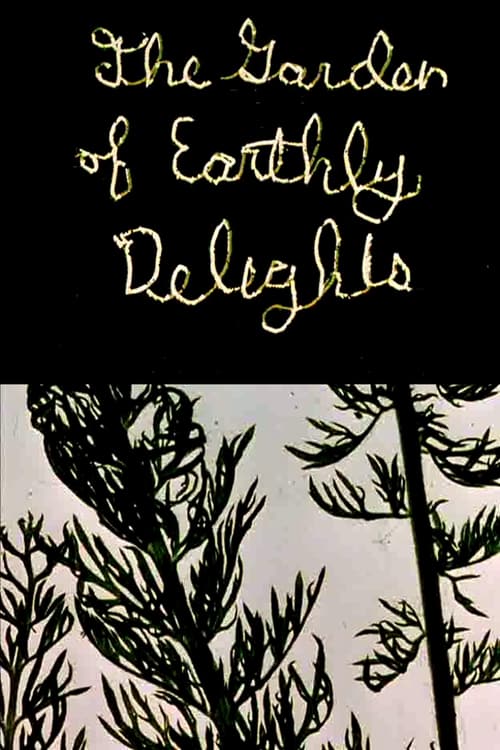
The Garden of Earthly Delights
1981
No user ratings available yet
Representation score: 0.0 out of 10

Representation Score
Minimal
1967
Director
Stan Brakhage
Runtime
1 minutes
Average Rating
No ratings yetNew Showbiz Analysis
Stan Brakhage’s Eye Myth is a work of extreme formalist abstraction. It prioritizes the raw, biological experience of vision over traditional storytelling, removing the possibility of social representation. Because the film lacks characters, dialogue, and interpersonal interaction, it cannot engage with frameworks of identity. The visual elements are purely aesthetic, focusing on light and perception rather than social dynamics. The absence of a diversity score is a result of the film's genre, which is designed to move the viewer away from social identity toward pure visual phenomenology.
Category Breakdown
The film is an abstract work with rapid rhythmic montage. Without dialogue or character development, it does not depict sexual orientation or gender identity.
Brief images of a shirtless man and an older figure appear as abstract shapes. These figures lack a social context and play no significant role in the story.
The focus on abstract light patterns excludes any meaningful exploration of racial identity. Human forms appear as universal silhouettes without specific ethnic markers.
The film focuses on pure visual phenomena and avoids engagement with religion or organized social structures by eschewing narrative.
There is no depiction of physical or neurodivergent identities. While it explores sensory experience, it does not address disability as a social or personal identity.
Present on Screen
Limited or Absent
Official Synopsis
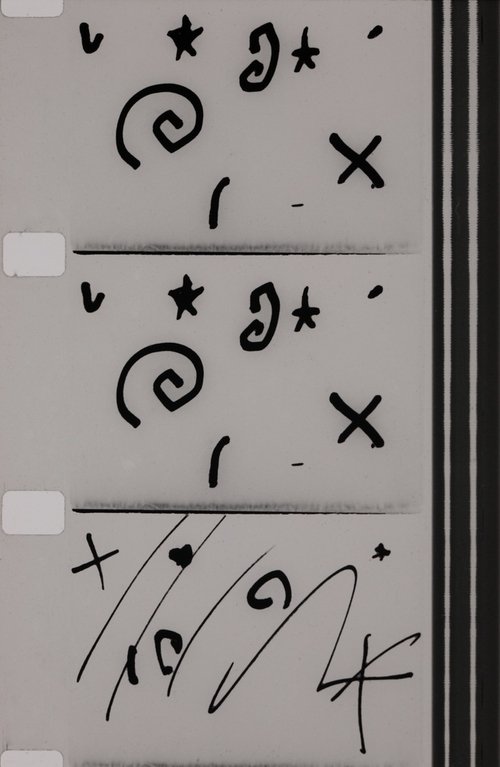
After the title, a white screen gives way to a series of frames suggestive of abstract art, usually with one or two colors dominating and rapid change in the images. Two figures emerge from this jungle of color: the first, a shirtless man, appears twice, coming into focus, then disappearing behind the bursts and patterns of color, then reappearing; the second figure appears later, in the right foreground. This figure suggests someone older, someone of substance. The myth? Preserved by the Academy Film Archive in 2012.
1981
1996

1994
1987
1959

1959
1963

1993
No reviews yet. Be the first to share your thoughts on this movie!
Use the rating form above to leave a star rating and optional review.