Composition in Blue
1935
No user ratings available yet
Representation score: 0.0 out of 10
Representation Score
Minimal
1921
Director
Walter Ruttmann
Runtime
12 minutes
Average Rating
No ratings yetNew Showbiz Analysis
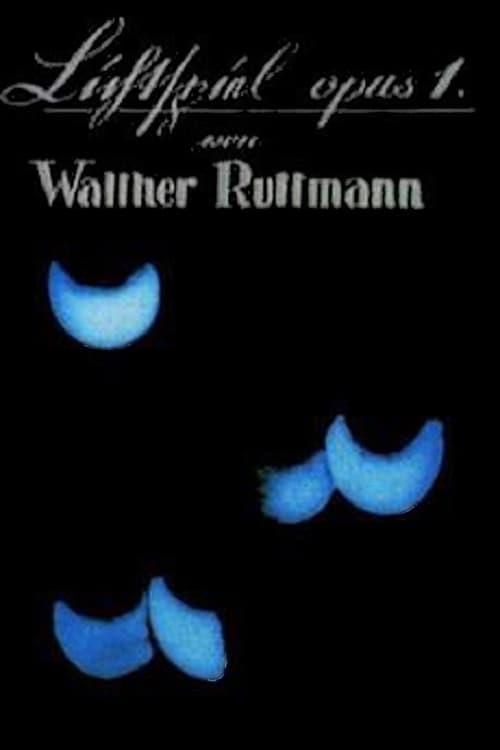
Walter Ruttmann’s *Lichtspiel: Opus I* is a foundational work of avant-garde animation that prioritizes rhythmic, non-objective visual structures over traditional storytelling. By focusing on the kinetic interplay of geometric forms and musical synchronization, the film bypasses the human-centric frameworks used to establish identity. Since the film’s intentionality is directed toward the exploration of rhythm and light, it functions outside the parameters of social representation. It does not participate in the construction of identity-based narratives or the depiction of human experience. While the work disrupts cinematic conventions through formalist abstraction, it does so without engaging in social identity politics or progressive social commentary.
Category Breakdown
The film is entirely abstract and non-representational. It contains no characters, gendered identities, or depictions of intimacy.
The work lacks human subjects. It does not engage in the subversion or reinforcement of gender hierarchies or portrayals of masculinity and femininity.
The film utilizes geometric shapes and light rather than human actors. It does not address race, ethnicity, or the social implications of heritage.
The film operates in a vacuum of pure abstraction. It avoids the promotion of religious, political, or Western institutional values by eschewing recognizable cultural signifiers.
There are no depictions of physical or neurodivergent bodies. This category is inapplicable to this specific work.
Present on Screen
Limited or Absent
Official Synopsis
Against a dark background, several bright, curved or rounded shapes pulse towards the center of the screen, one at a time. They are followed by many other shapes, some irregular, some pointed, others rounded. The abstract shapes move into or across the screen in harmony with the musical score.
1935
1925
1921
1924
1924
1921
1938
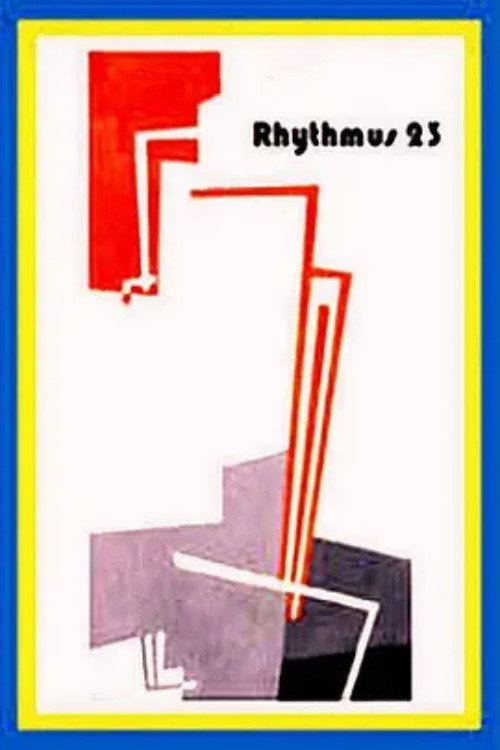
1923
No reviews yet. Be the first to share your thoughts on this movie!
Use the rating form above to leave a star rating and optional review.